Chronology reshuffled, dilated or folded — structure used as an argument about a life, rather than as a puzzle for the audience to solve.
The reshuffled timeline gets treated as a trick, so this shelf holds the films where it is a moral instrument instead. Pulp Fiction kills Vincent in the third movement and resurrects him in the fourth — not a puzzle, a mercy, letting the film close on the one man who chose to walk away. Rashomon runs the same killing four times and proves that testimony is authorship. Citizen Kane hands the newsreel over first, so the shape of the life is known before the man is, and every fragment afterwards argues with the shape.
The modern entries fold time instead of shuffling it: an hour on Miller's planet costs decades at home, and Everything Everywhere makes the mid-sentence cut its entire theory of a life.
Start with Rashomon — four films for the price of one, each of them lying.
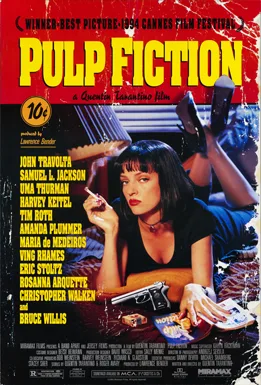 Pulp Fiction1994 · Quentin Tarantino★ 4.5 · 1Vincent dies in the third movement and is alive in the fourth; the reshuffle is not a trick but a moral device, letting the film close on the one man who walks away.
 Everything Everywhere All at Once2022 · Daniel Kwan, Daniel ScheinertThe cut does work a plot device normally would: a mid-sentence jump to another universe is both the film's grammar and its claim that a life is the sum of its branches.
 Interstellar2014 · Christopher Nolan★ 4.0 · 1Time is the antagonist and the structure at once — an hour on one surface costs decades at home, and the last act folds the first scene into its own ending.
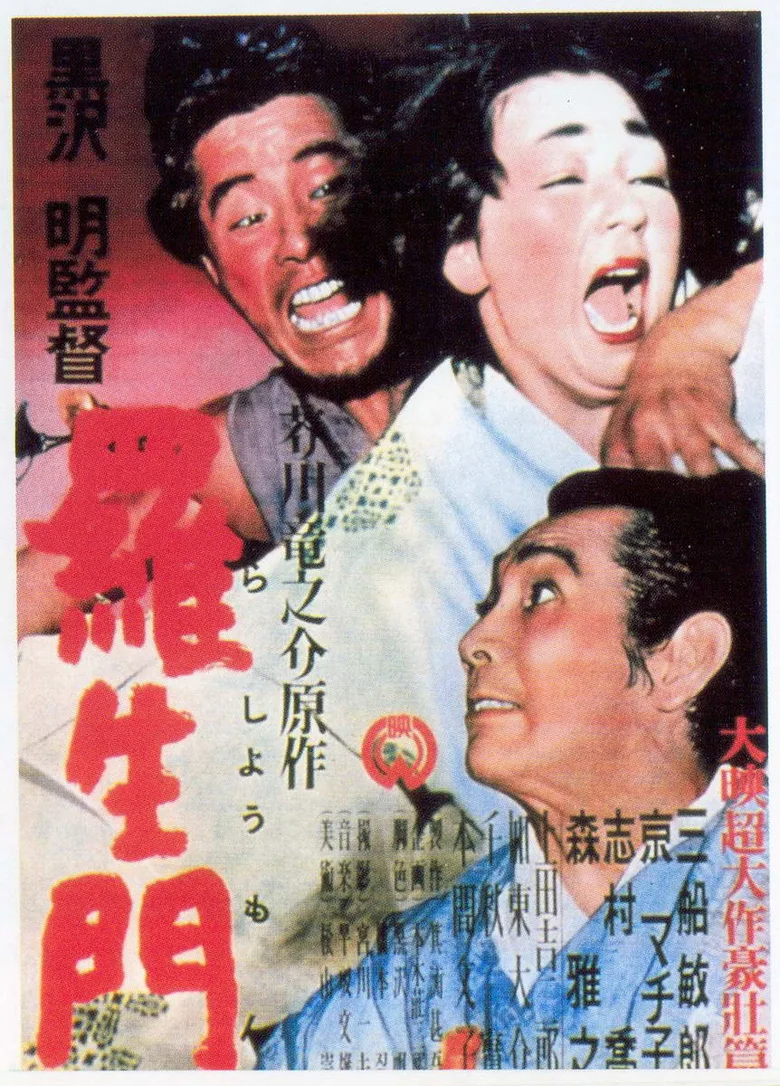 Rashomon1950 · Akira KurosawaFour accounts of one killing, each internally airtight: the form is the argument that testimony is authorship.
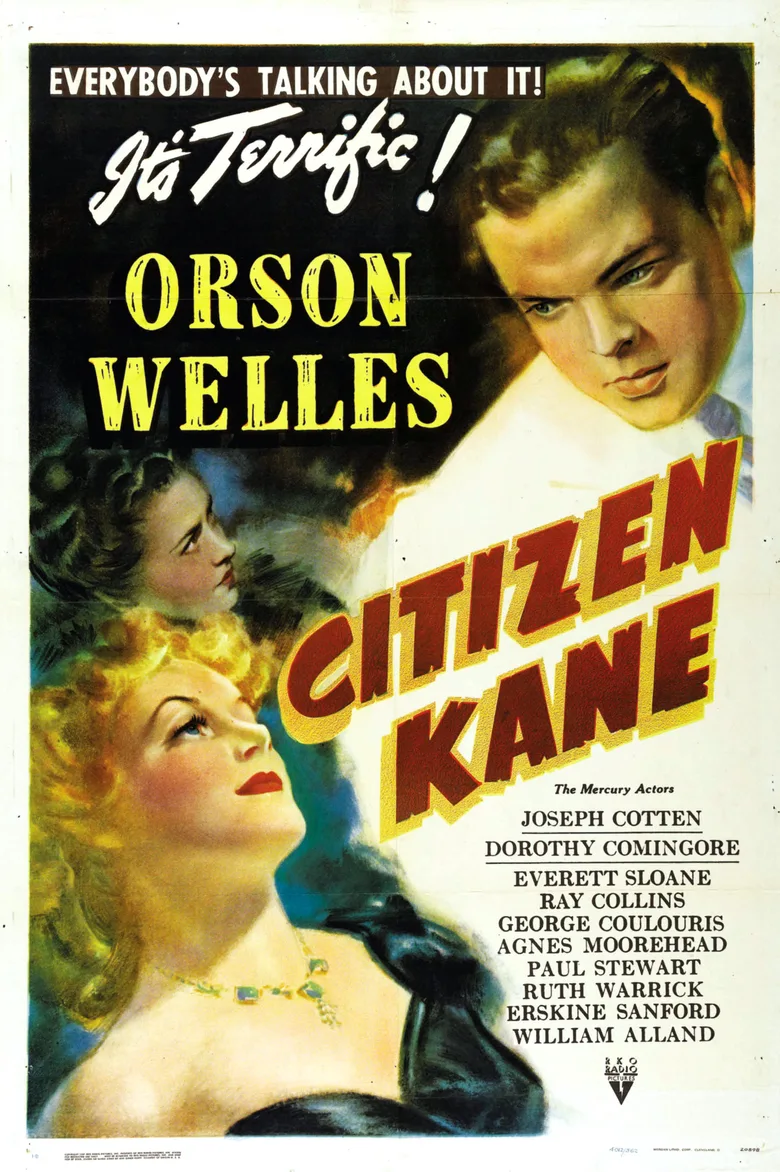 Citizen Kane1941 · Orson WellesThe life arrives in fragments, ordered by whoever happens to be remembering it — the newsreel first, so the shape is known before the man is.
 Mulholland Drive2001 · David LynchThe dream is screened before the facts, and the second order rewrites everything the first one appeared to mean.