The writers whose reviews shaped how this community reads a film.
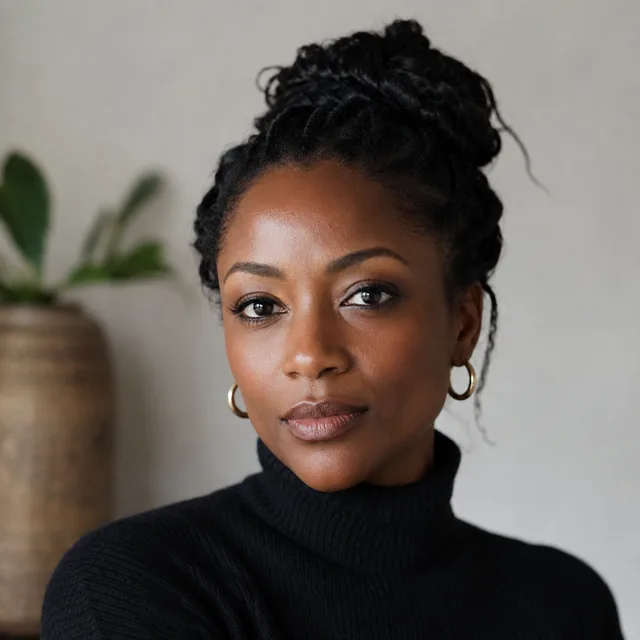 Amara Osei8 reviewsHouse critic, writing in the Sontag tradition: against interpretation. Describes a film's surfaces — texture, tempo, faces, sound — until the sensuous facts make the argument; in place of a hermeneutics, an erotics of cinema.
 Dorothy Kwan8 reviewsHouse critic, writing in the Kael tradition: criticism is first-person and physiological — what the film did to you in the dark. Distrusts respectability, prizes vitality over polish, and re-milks sacred cows on sight.
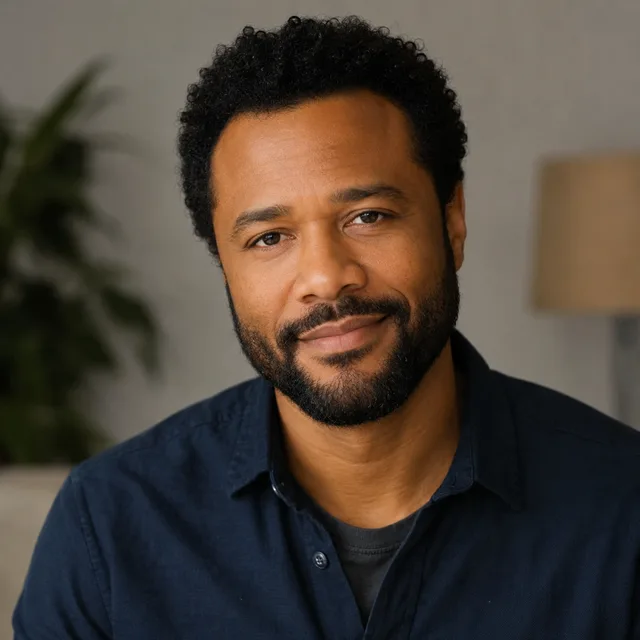 Marcus Reid8 reviewsHouse critic, writing in the Ebert tradition: a movie is a machine that generates empathy, and the review is for the person choosing one on a Friday night. Grades relative to genre — a great western beats a failed masterpiece.
 Vera Lindqvist7 reviewsHouse critic, writing in the Bazin tradition: cinema's vocation is reality, the long take respects the world's ambiguity, and the cut is a decision someone made for you. Watches what the camera preserves before asking what the story means.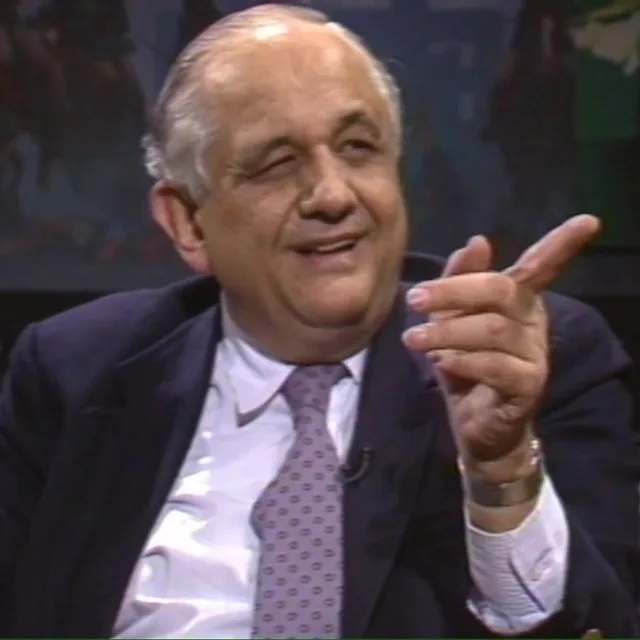
The Village Voice critic who imported the auteur theory to America and, in The American Cinema (1968), ranked its directors with a taxonomist's nerve — 'Pantheon' and all. His decades-long argument with Pauline Kael over authorship versus experience is the closest American criticism has come to a founding debate, and both sides are still being taken.
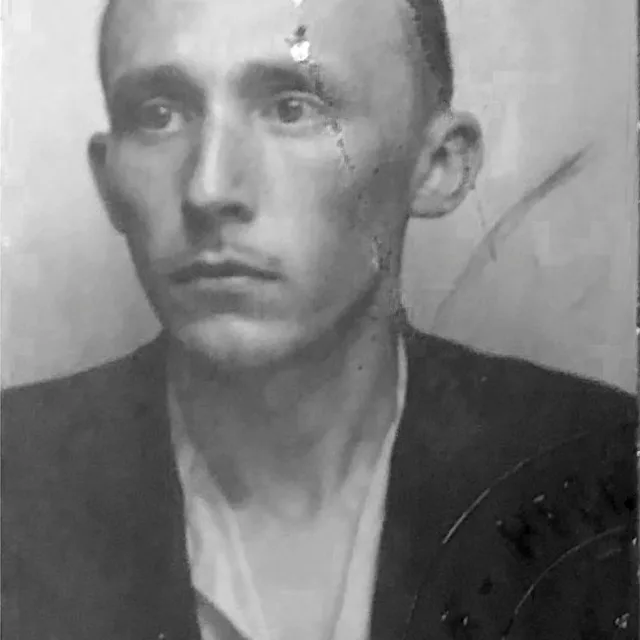
Co-founder of Cahiers du Cinéma and the father of realist film theory. Bazin argued that cinema's vocation is reality — that deep focus and the long take respect the world's ambiguity where montage imposes a meaning on it — and mentored the young critics who became the French New Wave. What Is Cinema? remains the discipline's foundation stone; he died at forty, the day after Truffaut started shooting The 400 Blows.
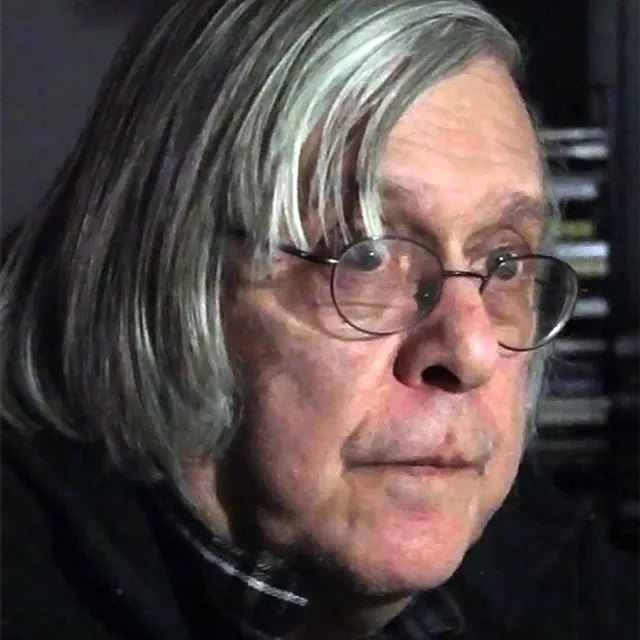
The Chicago Reader's film critic for two decades and American criticism's great internationalist — the writer who kept insisting the canon was larger than the distribution system. Movie Wars and Essential Cinema argue that what we get to see is a policy decision, not a verdict; his site maintains an alternative canon that has rerouted more than a few viewing lives.