Brad Pitt Says AI Could Keep $40M–$90M Movies Alive
In an Esquire interview reported by TheWrap and GeekTyrant, Pitt argued that AI could lower visual-effects costs for mid-budget films while stopping short of endorsing synthetic actors. His own contract rule—own the scans, then destroy them—shows where his line sits.

Brad Pitt says artificial intelligence could help revive the $40 million-to-$90 million movie, a budget range Hollywood has squeezed between superhero spectacle and bargain-bin production. In an Esquire interview published August 10, 2026, and reported by TheWrap, GeekTyrant, Yahoo Entertainment and other outlets, Pitt called AI “a very interesting experiment” and said it might make visual effects cheap enough for mid-budget films to get made. That matters because the pitch is not “replace the star.” It is “make the movie pencil out.”
Brad Pitt’s $40 Million Question
Pitt’s argument is blunt: studios have pushed adult dramas, thrillers, action pictures and filmmaker-led projects out of the comfortable middle. TheWrap quoted him saying AI, if used as a tool, could help “forty to ninety-million-dollar budgeted films” get made.
That range is doing a lot of work. It describes movies too expensive to limp along on goodwill and too small to arrive with a toy line, a cinematic universe and a billion-dollar dare attached. GeekTyrant framed the idea around visual effects, where Pitt believes AI might cut costs without removing the artists and performers who give a film its shape.
The missing piece is the accounting. The A.V. Club noted that Pitt offered no numbers showing how much money a production would save, and pointed to Doug Liman’s AI-related crypto movie, whose reported budget was still $70 million after dropping from $230 million. That does not disprove Pitt’s idea. It does puncture the easy version of it, the one where a prompt is treated like a rebate check.
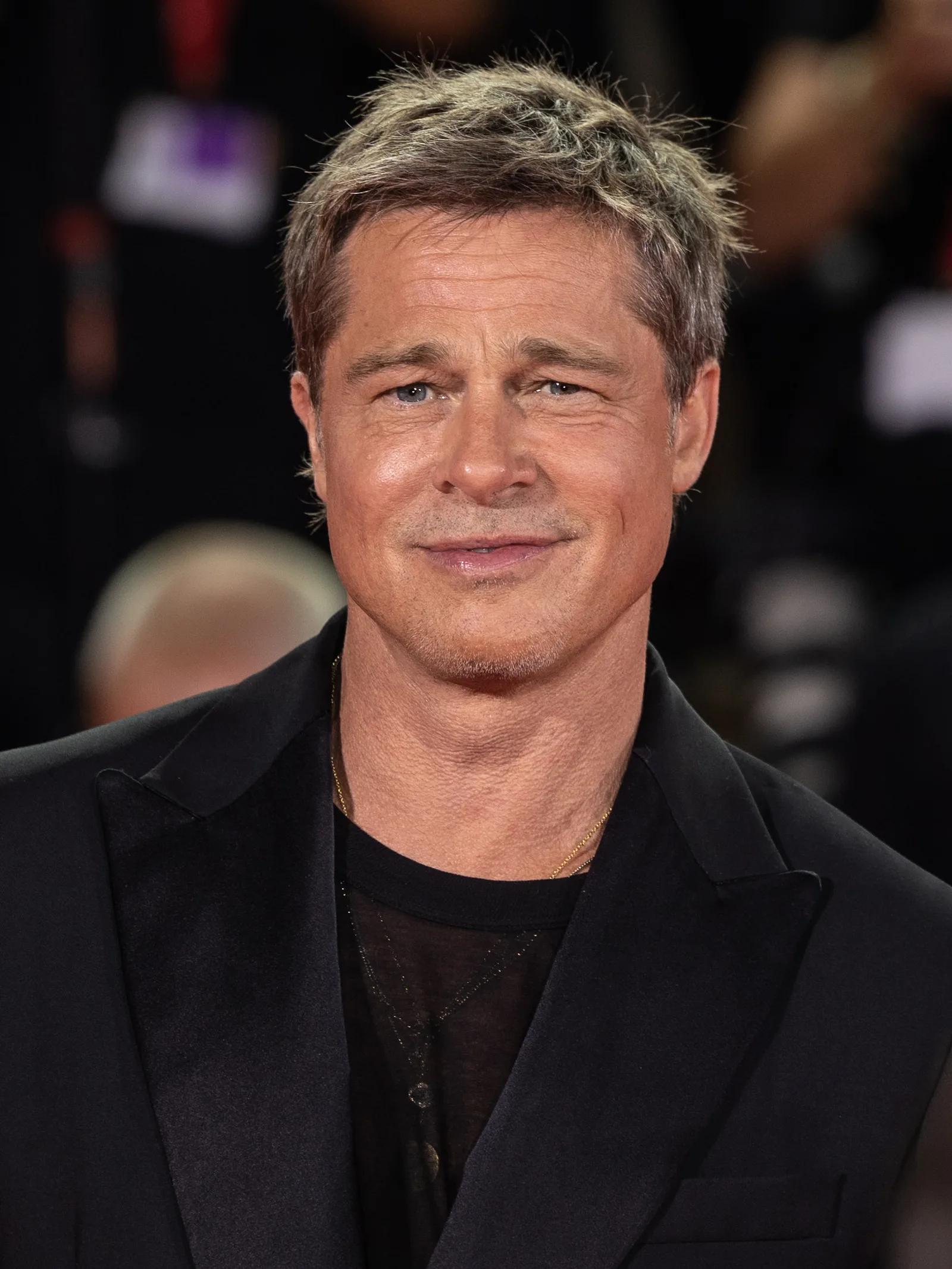
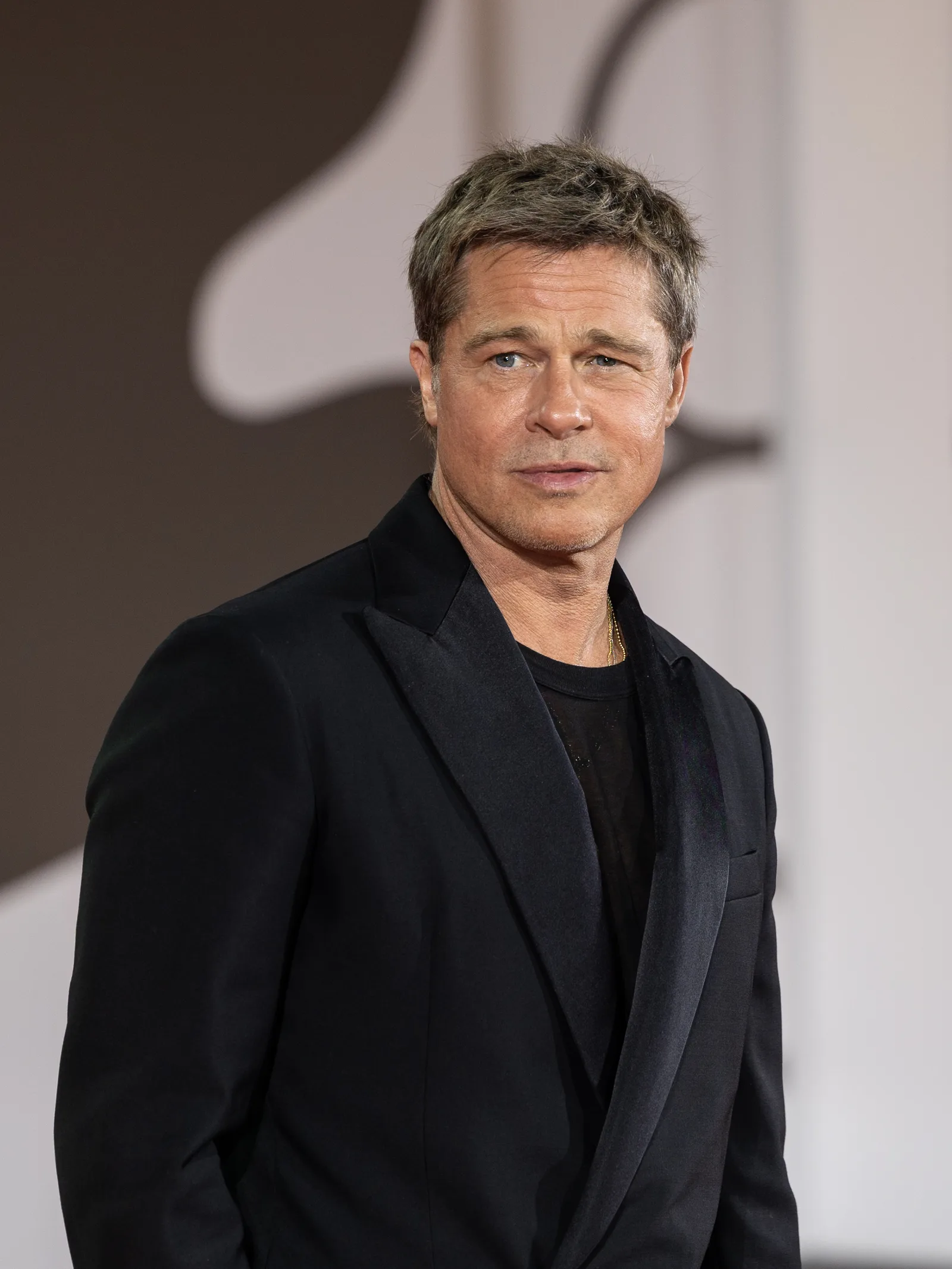
Photo: Harald Krichel · CC BY-SA 4.0 · source
The Actor He Won’t Hand to a Machine
Asked whether AI could recreate a Brad Pitt performance for Heart of the Beast, Pitt did not dismiss the possibility. He shifted the argument toward authorship.
As TheWrap reported, Pitt said the result would depend on who creates the system, who tells the story and who directs the emotion. An AI could produce options, he said, but the finished work might not contain “my choices and what I found and discovered in the thing.”
That is a sharper objection than the usual claim that machines lack a soul. Actors do not hand over a fixed bundle of facial movements. They make decisions while reacting to a scene partner, a director, a location and the accidents of a take. Pitt’s point is practical: a digital imitation can resemble the evidence of a performance while missing the decisions that made it one.