Ghost Market Is Pixar's Best Kind of Risk: a Specific Place With an Unfamiliar Door
Pixar's newly confirmed March 2028 original follows a fast-talking child into a North Shore lunch shop serving stranded spirits. Its promise is not that ghosts are new, but that the doorway is culturally and geographically specific.

Pixar has finally put the market on the calendar
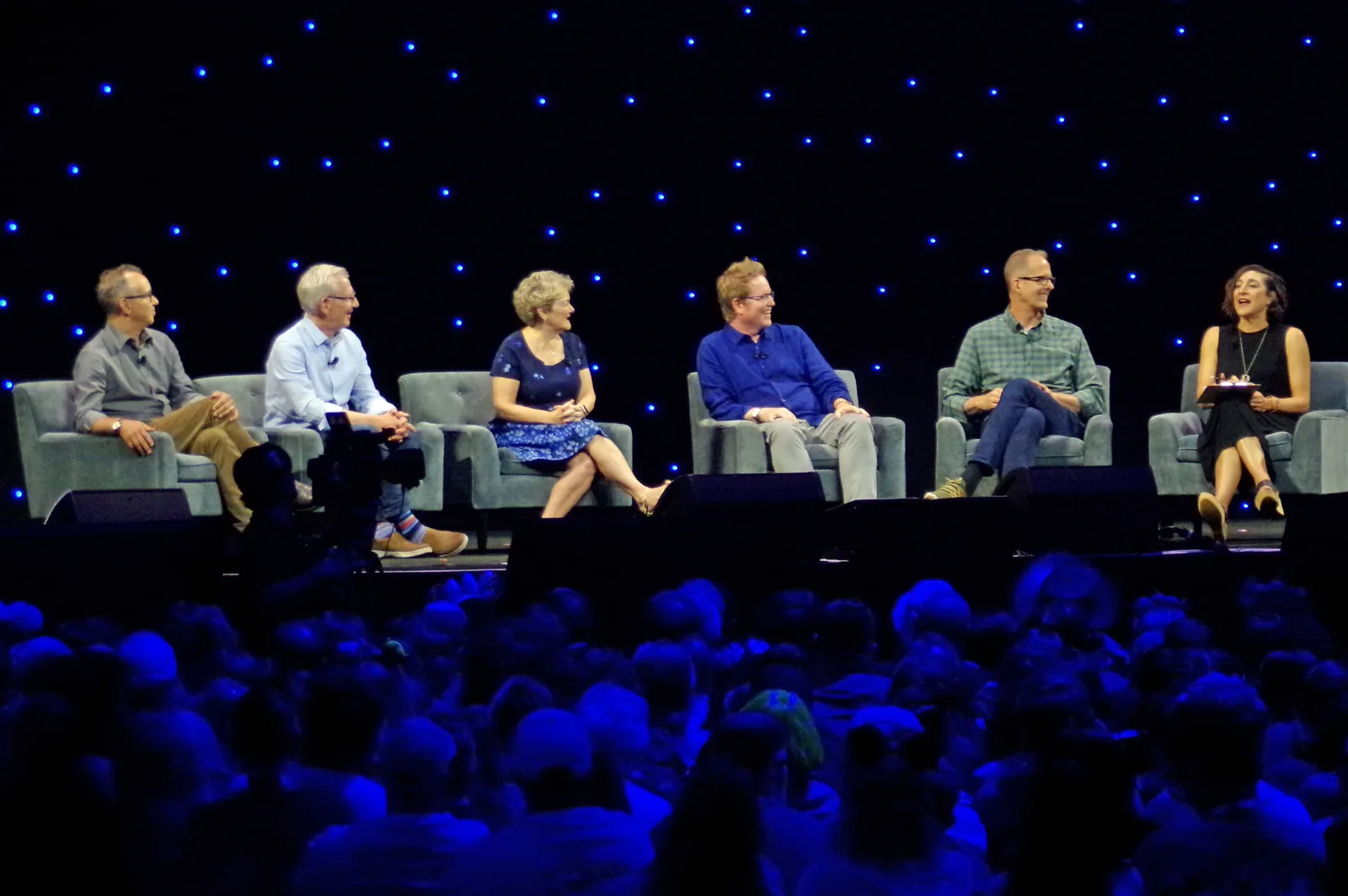
Pixar chief creative officer Pete Docter announced Ghost Market during Disney's D23 entertainment showcase on August 14. Disney's official account says the film will open theatrically in March 2028 and is directed by Trevor Jimenez and Jesse Andrews, with Becky Neiman-Cobb producing.
The premise is precise. ʻOno Market is a plate-lunch shop hidden on Oʻahu's North Shore. It serves lost spirits caught between life and death, and no living person has entered until a fast-talking child named Kyle blunders through the boundary. Footage shown inside the Honda Center introduced the shop and the supernatural adventure that follows.
Some of that information had circulated earlier in the year, when trade reporting described a Pixar project inspired by Asian stories about bazaars where the living and dead meet. D23 turned development reporting into a studio announcement, supplied the filmmakers, refined the setting and gave the film a release month. That difference matters. An idea is now a production with people responsible for making it specific.

Photo: Tony Hisgett · CC BY 2.0 · source
A plate-lunch shop is more interesting than a generic portal
Animation often enters fantasy through a door designed to be nowhere: an attic, a wardrobe, a glowing crack in a wall. Ghost Market begins with a business that could only be somewhere. Plate lunch carries the layered history of Hawaiʻi, shaped by plantation labor, migration and the everyday mixing of culinary traditions. The North Shore supplies another set of associations, many of them simplified by tourism into waves, beaches and escape.
Putting a spirit market inside that landscape creates useful friction. A lunch shop serves the living by routine: orders, portions, regular customers, food made quickly. A shop for lost spirits turns routine into ritual. Who cooks? What can the dead eat? What does payment mean for someone unable to move on? The premise creates story questions out of labor and hospitality rather than attaching local decoration to a universal portal.
It also makes accuracy part of the film's obligation. Hawaiʻi is not an empty mystical backdrop. The apostrophes and diacritical marks in ʻOno and Oʻahu are not design flourishes, and the region's stories are not interchangeable with a broad category called Asian myth. Specificity will have to survive development, marketing and the instinct to explain everything to a global audience.