Josephine Lovett Wrote the Flapper Into American Film. The Academy Nominated Her for It
She was born in San Francisco in 1877, died at Rancho Santa Fe in 1958, and in between she wrote Joan Crawford's breakthrough and got an Academy Award nomination for it. Eighteen of her thirty-three credits were directed by her husband, which is the fact her biography usually leads with and the least interesting thing about her.
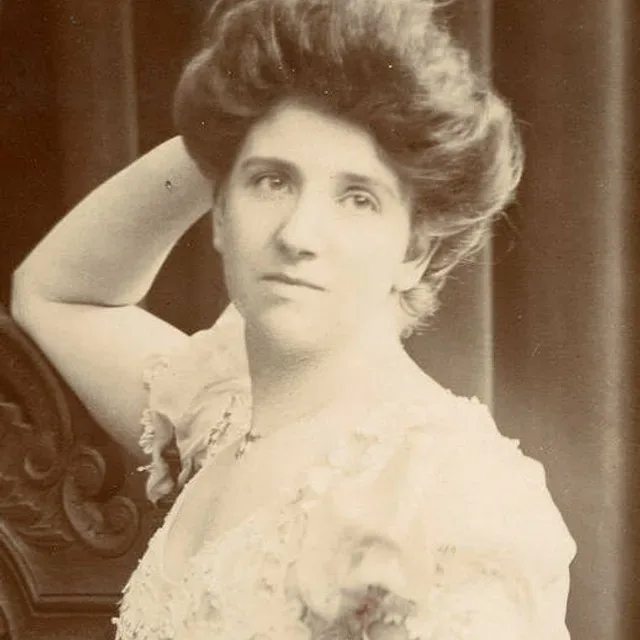
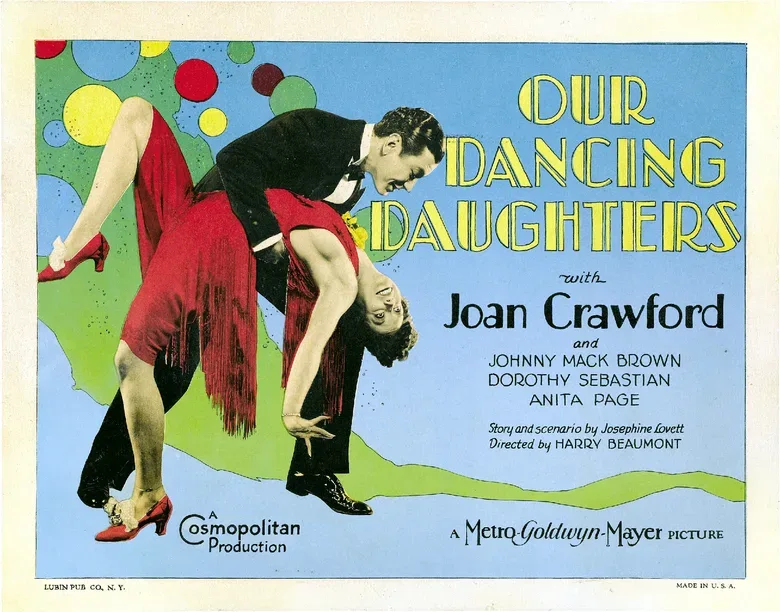
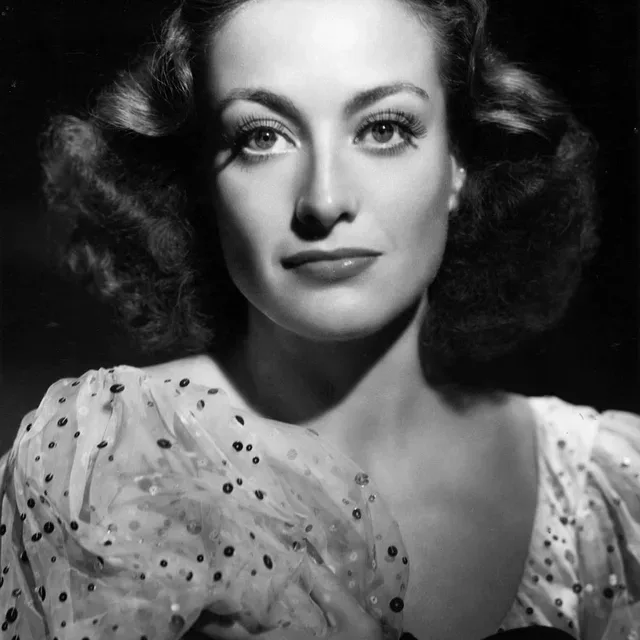
Photo: Cosmopolitan Productions / Metro-Goldwyn-Mayer (MGM) · Public domain · source
The woman who wrote Dangerous Diana
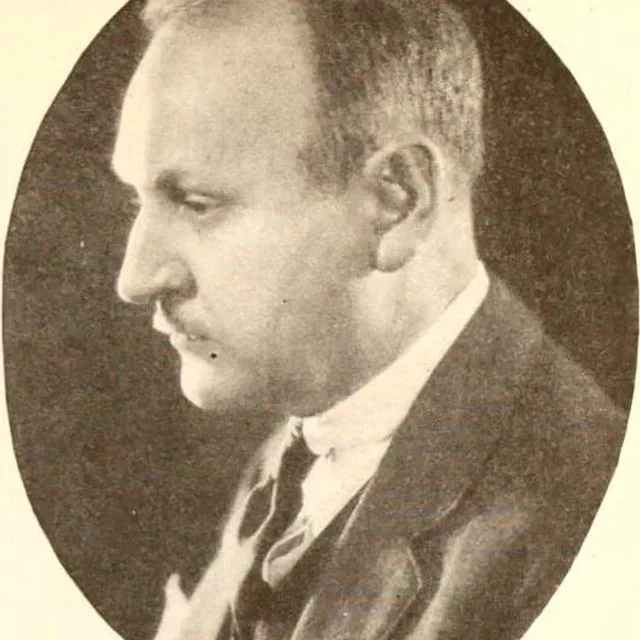
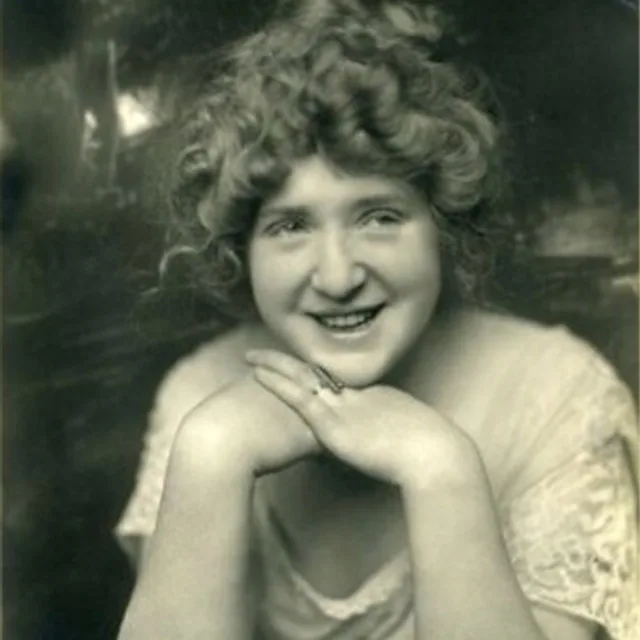
Josephine Lovett was born on 21 October 1877 in San Francisco and died on 17 September 1958 at Rancho Santa Fe, California, aged eighty. Between those dates she worked as a Broadway actress, and then wrote for the movies from 1916 to 1935 — as a scenario writer, an adapter, a screenwriter, and briefly on screen herself.
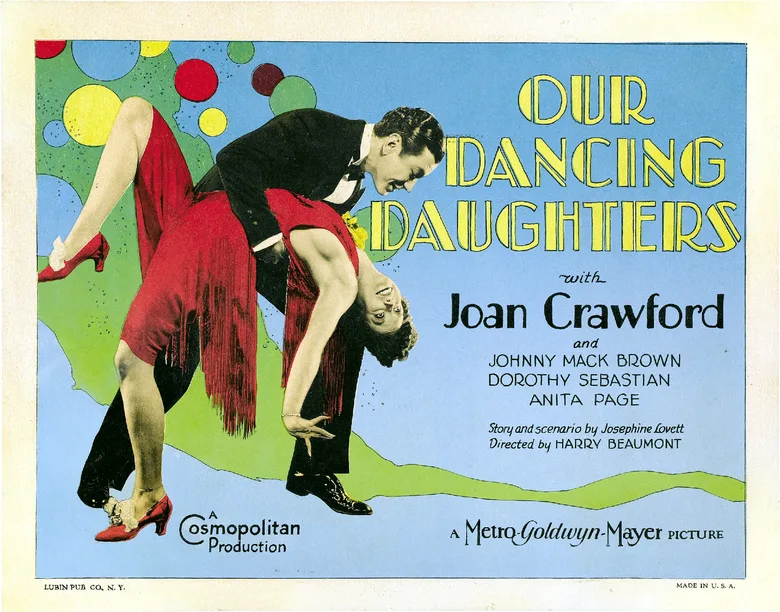
The credit she is remembered by is Our Dancing Daughters, from 1928. It is the film that made Joan Crawford. Crawford plays Diana Medford, called Dangerous Diana, who is flamboyant in public and, as the film is careful to establish, principled in private; her friend Ann chases men for their money. Both want Ben Blaine. Ann lies about herself and gets him.
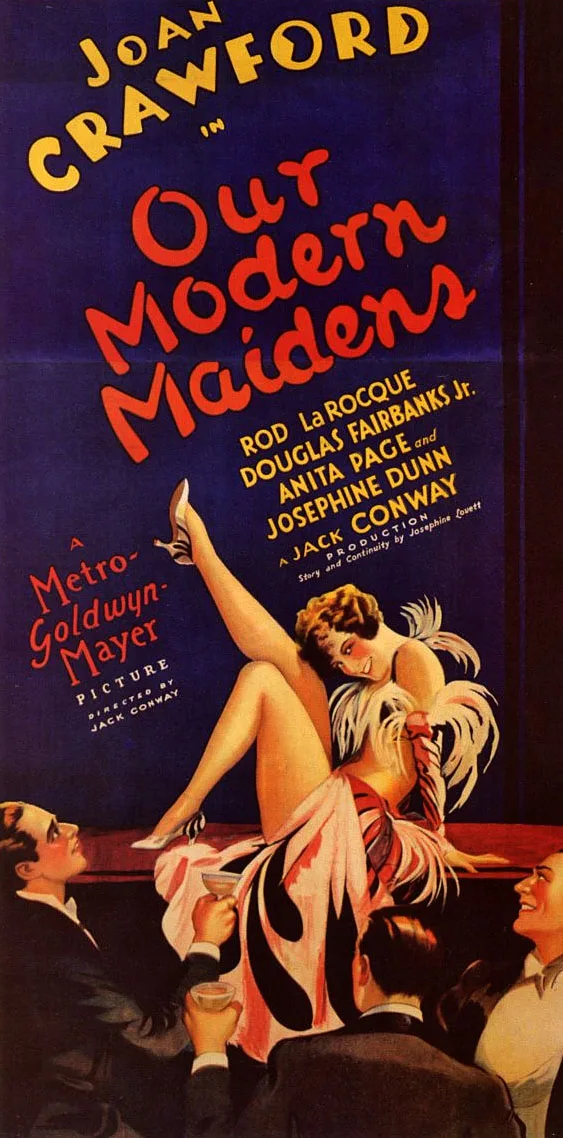
That structure is the whole of Lovett's method. She wrote heroines who were, in the summary her biographers keep reaching for, economically and sexually independent — and then gave them the moral high ground, so that the independence read as character rather than as warning.
What the censors complained about
The complaints about Our Dancing Daughters are a better description of the film than any synopsis. Reviewers objected to the sight of "undies and much stocking". One wrote that "cocktails, flasks and mad dancing appear in quite a number of episodes" and that "it is quite unnecessary to depict an intoxicated girl, as is done for a considerable length of this film".
What is being described there is a picture that put a specific kind of young woman on screen and declined to punish her for it. Lovett had a reputation for exactly this: writing material that was sexually suggestive and stayed just inside what the censors would pass. She was, the accounts agree, one of the most prominent women writing in Hollywood at the time, and part of a generation of women screenwriters who moved American film out of its Victorian settings and into the flapper's.
The technical footnote is worth keeping too. Our Dancing Daughters has no audible dialogue, but MGM released it with a synchronised score and sound effects, on disc and on film. It is a silent picture that arrived with a soundtrack, in the year the industry was deciding what sound was for.