Maggie Gyllenhaal Scrapped AI From Dakota Johnson’s Monroe Film
For Flesh Impact, Gyllenhaal tested licensed AI trained on Marilyn Monroe’s films, then discarded the result when Dakota Johnson’s own performance proved more moving. Her decision also raises a harder question about who gets to keep making movies when software makes them cheaper.

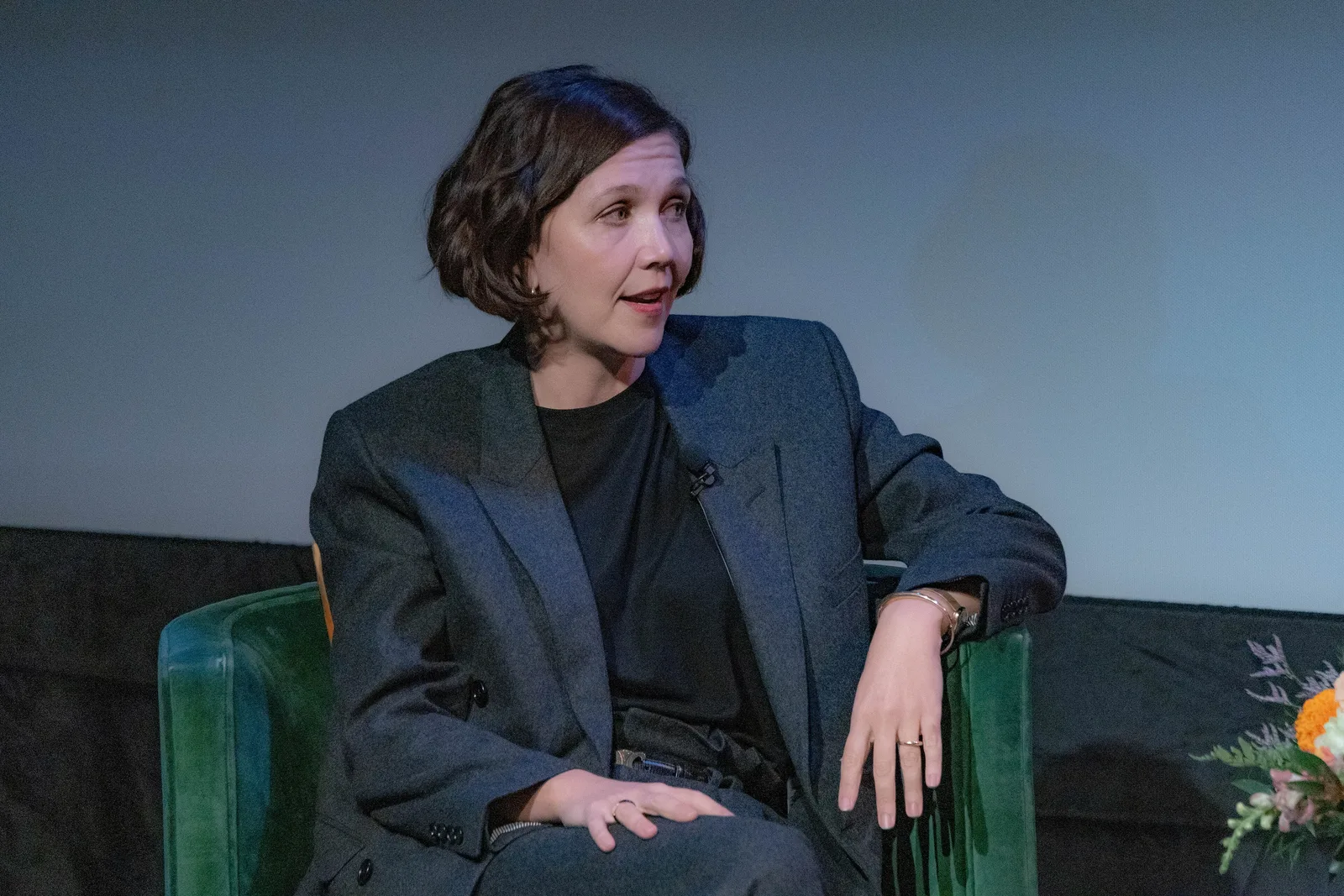
Maggie Gyllenhaal said on September 4 that she abandoned an AI experiment on her short film Flesh Impact after the technology failed to match what Dakota Johnson was doing as Marilyn Monroe. The director told a Venice symposium that the licensed system, trained on footage from Monroe’s films, produced something less moving than Johnson’s live performance. For film readers, the decision matters because it turns a familiar AI argument into a face-to-face choice: preserve the actor’s work, or replace part of it with a digital copy.
Dakota Johnson’s Monroe stayed human
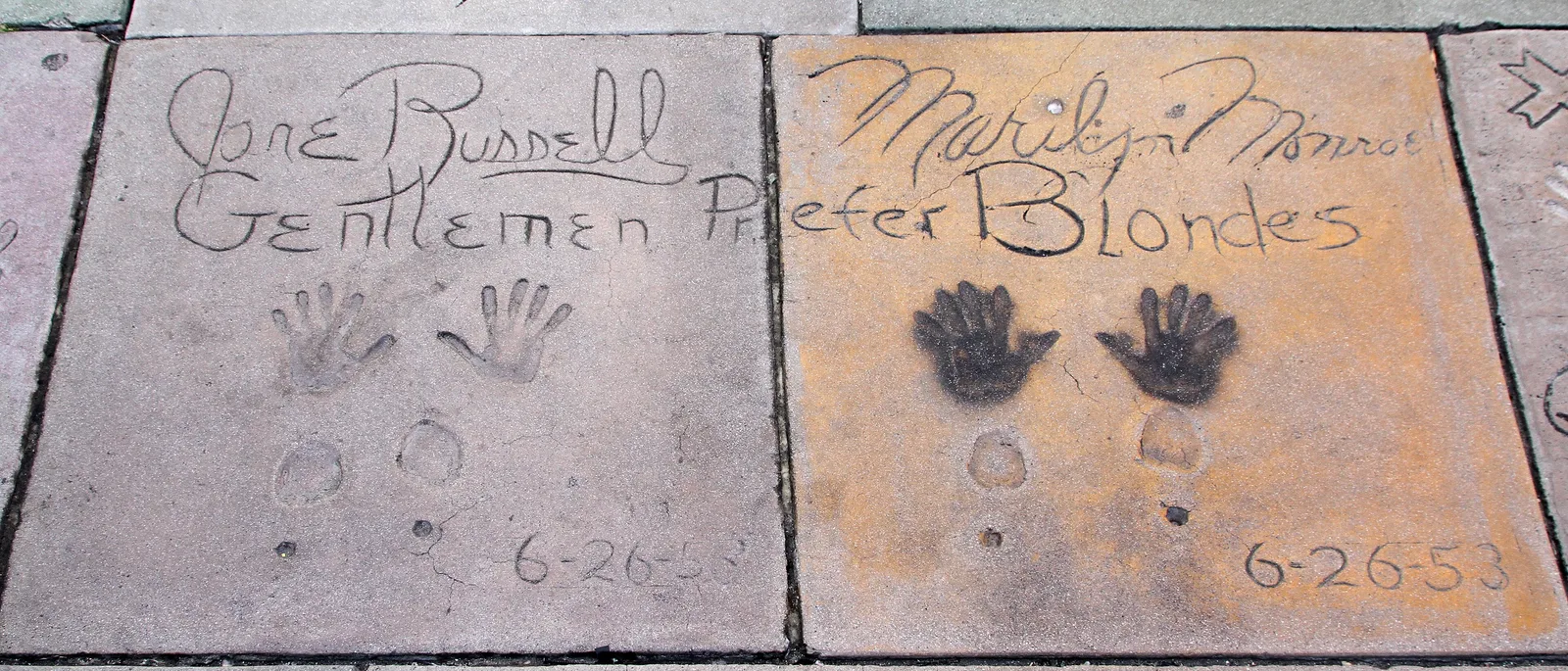
Flesh Impact imagines Monroe at 100, with Ellen Burstyn playing the older woman and Johnson appearing in flashbacks as Monroe at 30. Gyllenhaal is premiering the 17-minute film while serving as president of the jury at this year’s Venice Film Festival.
The project’s commissioners asked Gyllenhaal to try AI. She said the system was not OpenAI’s product. It was licensed technology trained on Monroe films that the production had licensed. Gyllenhaal agreed out of curiosity. “All right, I’m curious. I don’t know. Let’s see,” she recalled saying.
The plan was direct: train the software on Monroe’s likeness, then place that face over Johnson’s. Gyllenhaal said the team worked hard on it before she threw the result away. What came through Johnson’s performance, she said, was “so much more moving, human, alive.”
That choice tells us something about the job Johnson had been given. She was not hired to provide a blank surface for Monroe’s face. She had to find a way into Monroe’s younger self, then carry the scene with her own timing, expression and physical presence. The AI version did not add a secret ingredient. In Gyllenhaal’s view, it took away the reason to make the film.

Photo: Quejaytee · CC BY 4.0 · source
The money people wanted a test
A.V. Club reported that Genesis Motor America backed Flesh Impact. The outlet described the company as the film’s financial force and said its interest in AI reflected a wider push to spend less while keeping a commercial result.
Gyllenhaal said she was also approached about asking actors who trusted her to license their likenesses. The proposal, as she described it, was that those performers could give permission for software to reproduce their images in future films. She rejected that idea as a completely different way of thinking and working from her own.