CinePixo
ReviewsOff CameraMoviesPeopleTopicsCriticsStats
Sign inJoin
ReviewsOff CameraMoviesPeopleTopicsCriticsStats
CinePixo
ReviewsOff CameraMoviesWatchCriticsWritersStatsAboutEditorial StandardsContactPrivacyTermsRSS

CinePixo — a home for film-critic fandom.Built, filled and argued over by this community — the library, the artwork we license and host, the taxonomy and every signed review grow here, together.

  1. Home
  2. /Off Camera
  3. /Away From Set
  4. /Margaret Atwood’s First Film Adaptation Remains an ’80s Misfire Worth Revisiting
Away From SetEditorial feature

Margaret Atwood’s First Film Adaptation Remains an ’80s Misfire Worth Revisiting

The 1990 movie version of The Handmaid’s Tale disappointed Margaret Atwood, while a later TV series found room to grow. Its rougher predecessor still shows what happens when a severe novel is squeezed into a single film.
by Marcus ReidSeptember 9, 20265 min read25 views
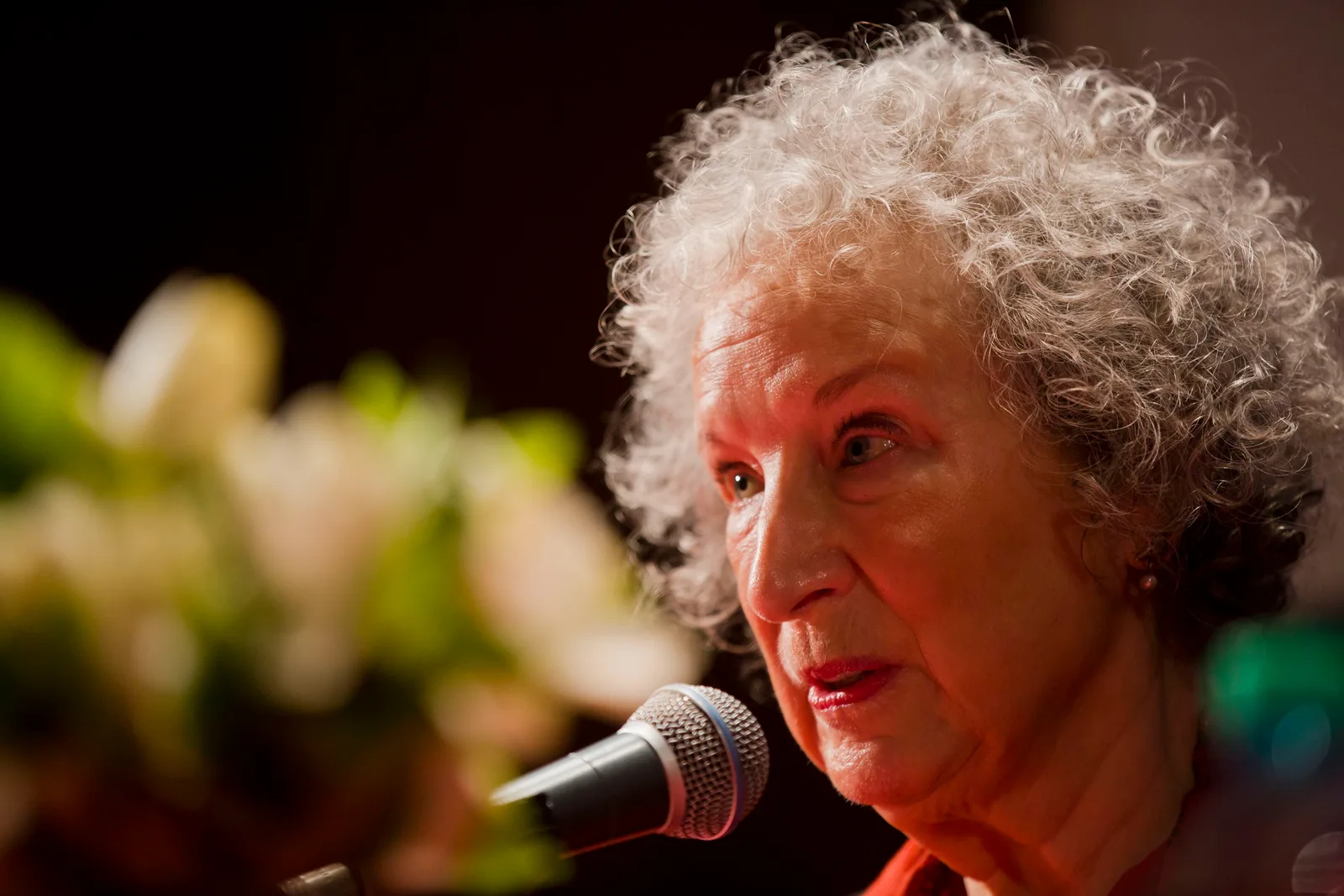
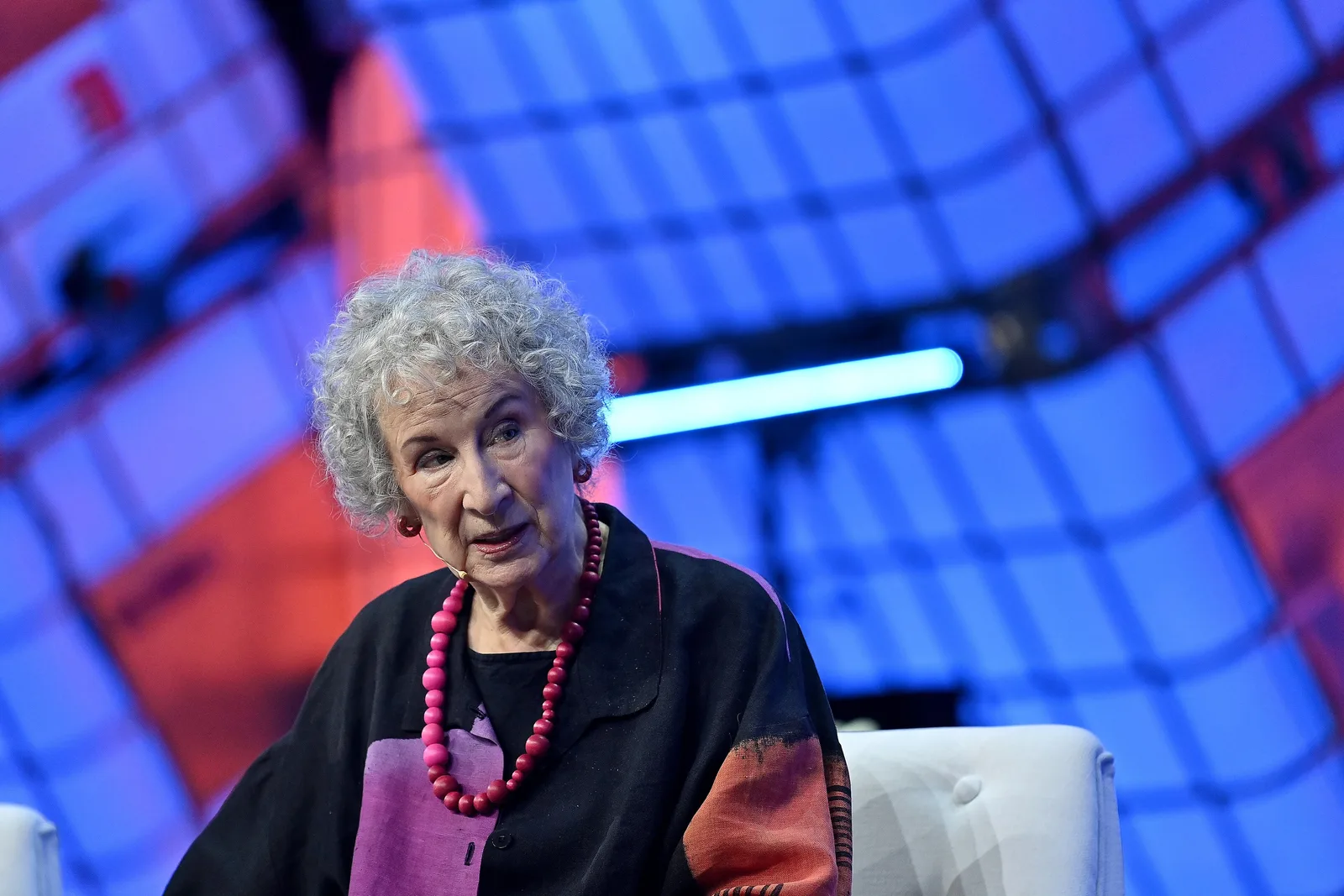
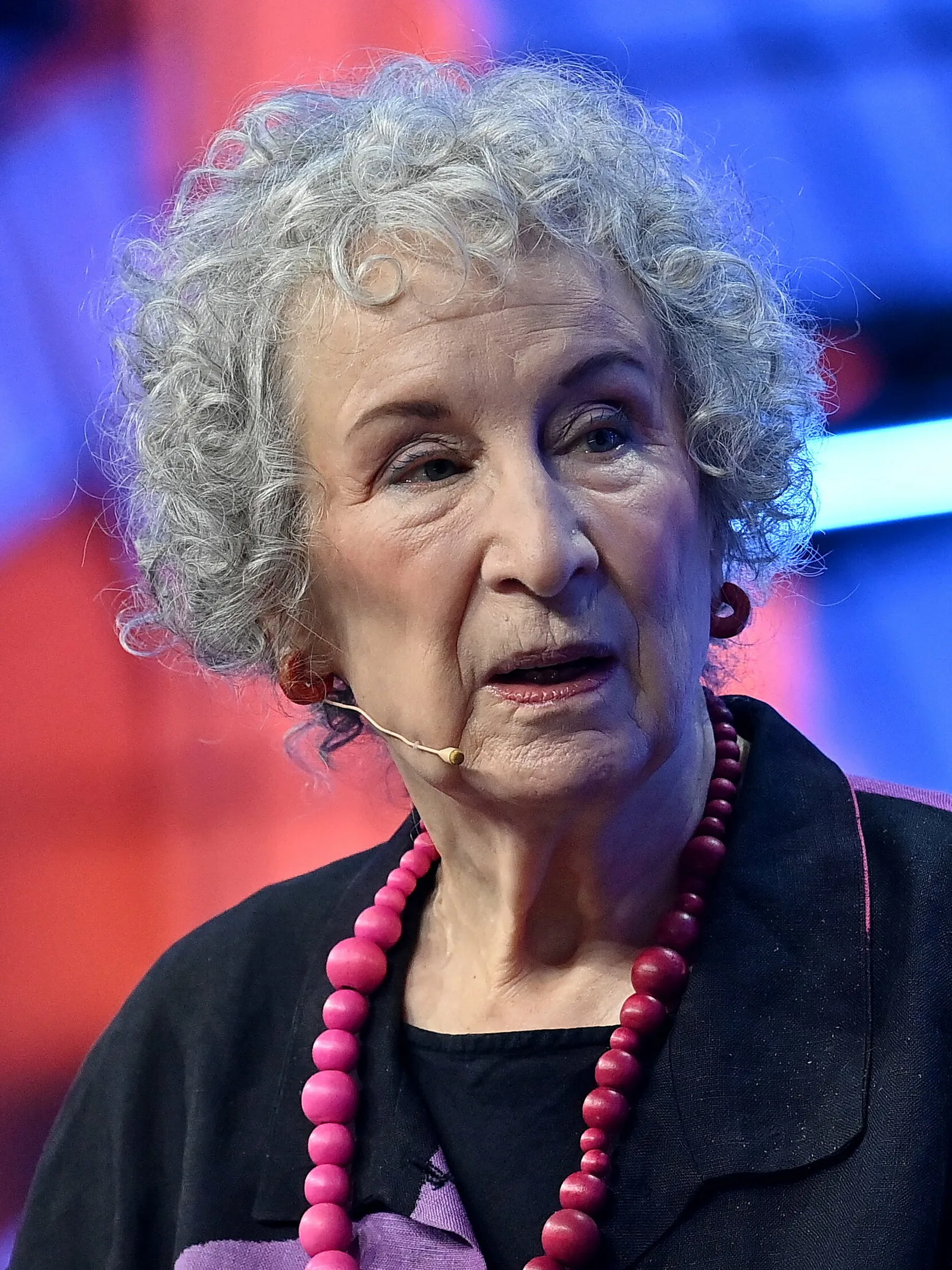
20 June 2022; Margaret Atwood, Author, during the opening night of Collision 2022 at Enercare Centre in Toronto, Canada. Photo by Piaras Ó Mídheach/Collision via Sportsfile
20 June 2022; Margaret Atwood, Author, during the opening night of Collision 2022 at Enercare Centre in Toronto, Canada. Photo by Piaras Ó Mídheach/Collision via Sportsfile · Collision Conf (CC BY 2.0)

In this piece

  1. 01The 1990 film met a book that resisted shortcuts
  2. 02Television gave Atwood’s story more time
  3. 03Atwood’s darker future found a different dead end
  4. 04The failed projects leave a clear lesson

Margaret Atwood’s first movie adaptation, the 1990 film version of The Handmaid’s Tale, is being remembered as an ’80s-era misfire worth another look. Atwood did not like the movie, according to MSN, even though the story began as her 1985 novel about a theocratic dictatorship built on American patriarchy. The film arrived before television gave the book six seasons of room to breathe, and that gap matters to anyone interested in what adaptation asks of a cast, a script and the people left carrying the result.

The movie is not the success story here. The useful story is the pressure placed on it. Atwood’s novel is built around a dark future and a woman trapped inside a system that turns bodies into state property. A feature film has to make that world visible while also giving shape to a narrator whose inner life does much of the work. Those jobs can pull in opposite directions. The camera wants faces, rooms and uniforms. The book keeps returning to memory, fear and private thought.

The 1990 film met a book that resisted shortcuts

Atwood’s reaction matters because the film was adapting a novel whose force comes from its controlled point of view. The source is not only a story about laws and uniforms. It is also about how a person thinks while those laws close around her. A movie can put a red dress in the frame. It cannot automatically carry the same weight as a sentence remembered years later.

That leaves actors with a difficult assignment. They must show a life being narrowed without turning the character into a symbol. A glance across a room may have to carry what pages of thought once carried. The performer becomes the bridge between the book’s private voice and the film’s public image, and the bridge can crack when a production tries to explain everything at once.

The 1990 version is therefore interesting as a record of a moment when serious literary material was expected to arrive as one finished event. Its limitations are part of the evidence. The film shows how quickly a severe premise can become a set of surfaces when the adaptation has less time for the mind behind them.
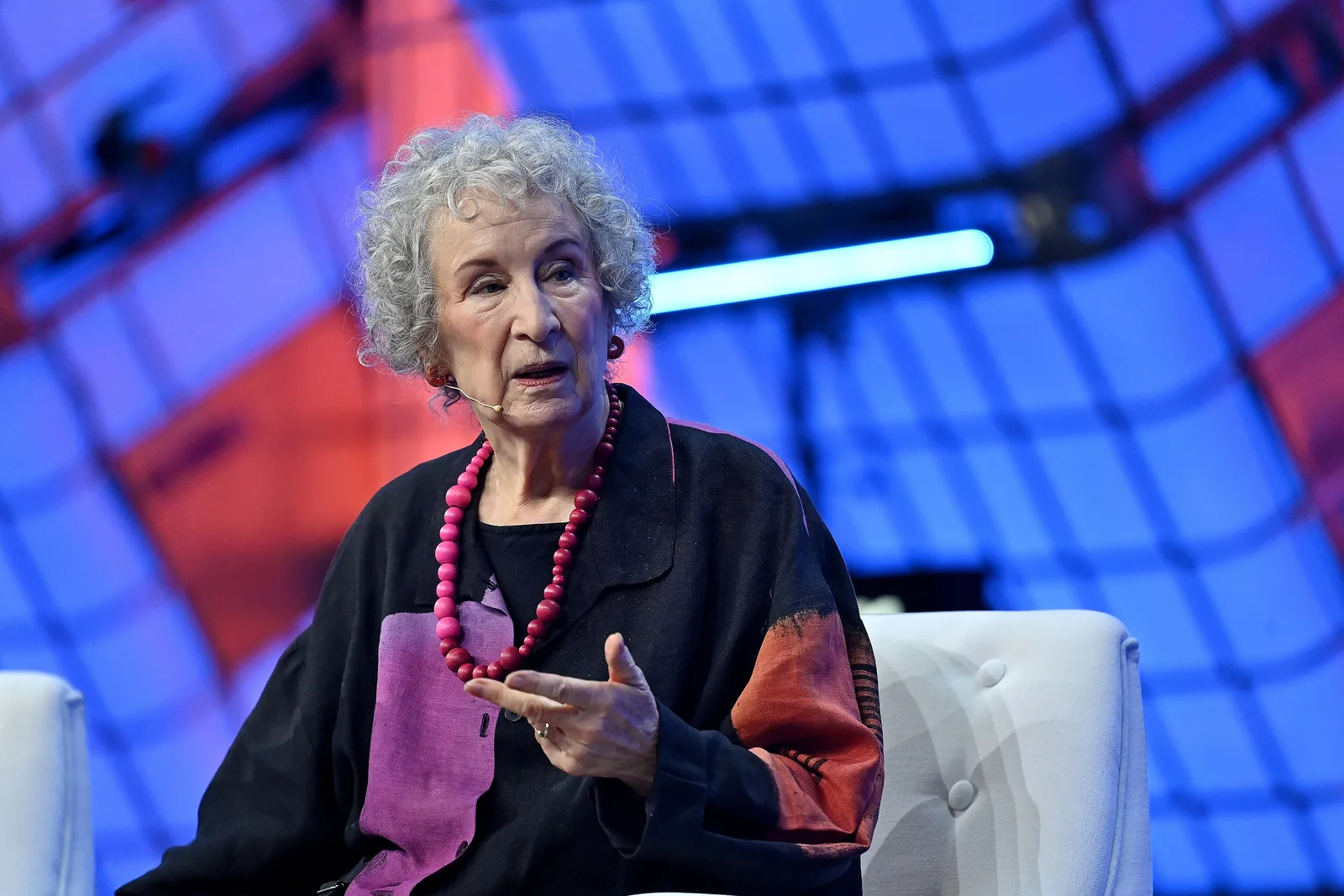
20 June 2022; Margaret Atwood, Author, during the opening night of Collision 2022 at Enercare Centre in Toronto, Canada. Photo by Piaras Ó Mídheach/Collision via Sportsfile

Photo: Collision Conf · CC BY 2.0 · source
Television gave Atwood’s story more time

How this piece was made

Editorial standards →

Editorial feature

A CinePixo feature whose more specific reporting or utility method has not been claimed.

In this piece

  • MA
    Margaret Atwoodscience fiction writer

Sources

  1. 01msn.com · https://www.msn.com/en-us/entertainment/movies/margaret-atwood-s-first-ever-movie-adaptation-is-an-80s-misfire-worth-revisiting/ar-AA2bNAc7
  2. 02yahoo.com

In this piece

  1. 01The 1990 film met a book that resisted shortcuts
  2. 02Television gave Atwood’s story more time
  3. 03Atwood’s darker future found a different dead end
  4. 04The failed projects leave a clear lesson

Atwood later enjoyed The Handmaid’s Tale television series, which expanded the novel into six seasons running from 2017 to 2025, MSN reported. That longer form changed the job. The series could let relationships develop, return to earlier wounds and give performers more than one note to play.

Time also changes where the money lands. A film concentrates its gamble in one release, one campaign and one cast expected to make the whole machine work at once. A long-running series spreads that risk across years of work, with writers, crews and actors returning to the same world. The people carrying the production get more chances to build a person instead of announcing one.

This does not make the movie worthless. It makes its rough edges easier to read. The film is a snapshot of what the industry thought could fit inside a single adaptation, while the series shows what became possible when the format made room for accumulation.

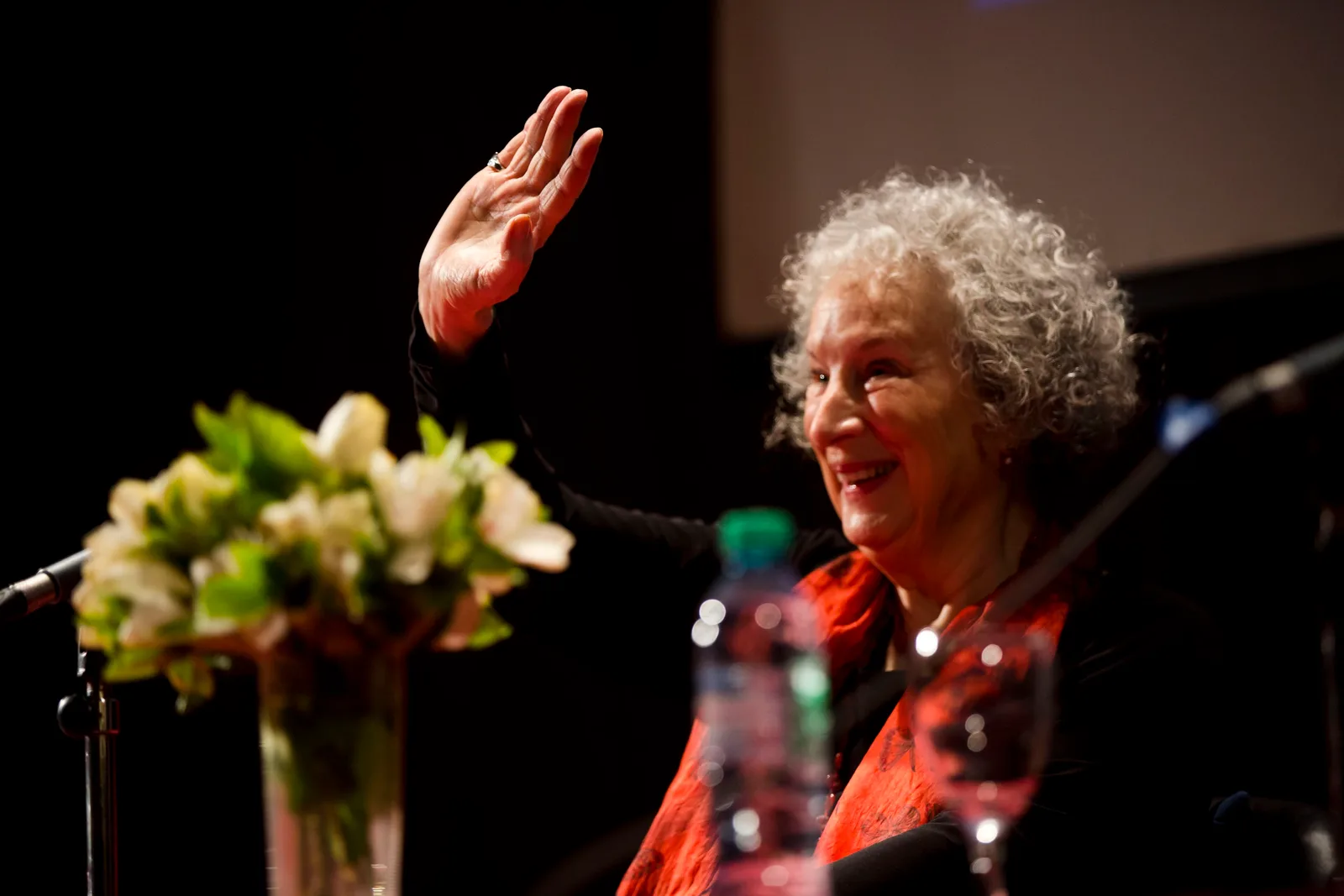
20 June 2022; Margaret Atwood, Author, during the opening night of Collision 2022 at Enercare Centre in Toronto, Canada. Photo by Piaras Ó Mídheach/Collision via Sportsfile Buenos Aires, 11 de diciembre de 2017 - La escritora Margaret Atwood dio una entrevista junto a Alberto Manguel en la Biblioteca Nacional. Fotos: Mauro Rico / Ministerio de Cultura de la Nación

Photos: Collision Conf · CC BY 2.0 · source; Ministerio de Cultura de la Nación Argentina · CC BY-SA 2.0 · source

Atwood’s darker future found a different dead end

The same problem appears in Atwood’s MaddAddam Trilogy, which nearly became an HBO series. In 2014, filmmaker Darren Aronofsky was reported to be planning an adaptation of Oryx and Crake, The Year of the Flood and MaddAddam. Playwright and television writer Eliza Clark was hired to adapt the books.

The trilogy imagines a corporate world where genetic engineering creates hybrid animals before a global pandemic nearly wipes out humanity. The books move among different viewpoints, then bring their characters together. The first follows the Snowman, apparently the last human alive, and the small engineered people he calls Crakers. His past includes Jimmy, his friendship with Crake and his relationship with Oryx, whose history as an enslaved child is among the trilogy’s harshest material.

Aronofsky told Vulture that Clark faced the challenge of shaping the massive story into a 10-episode series. In 2016, reports said the HBO project was not moving forward. A decade later, it still has not happened.

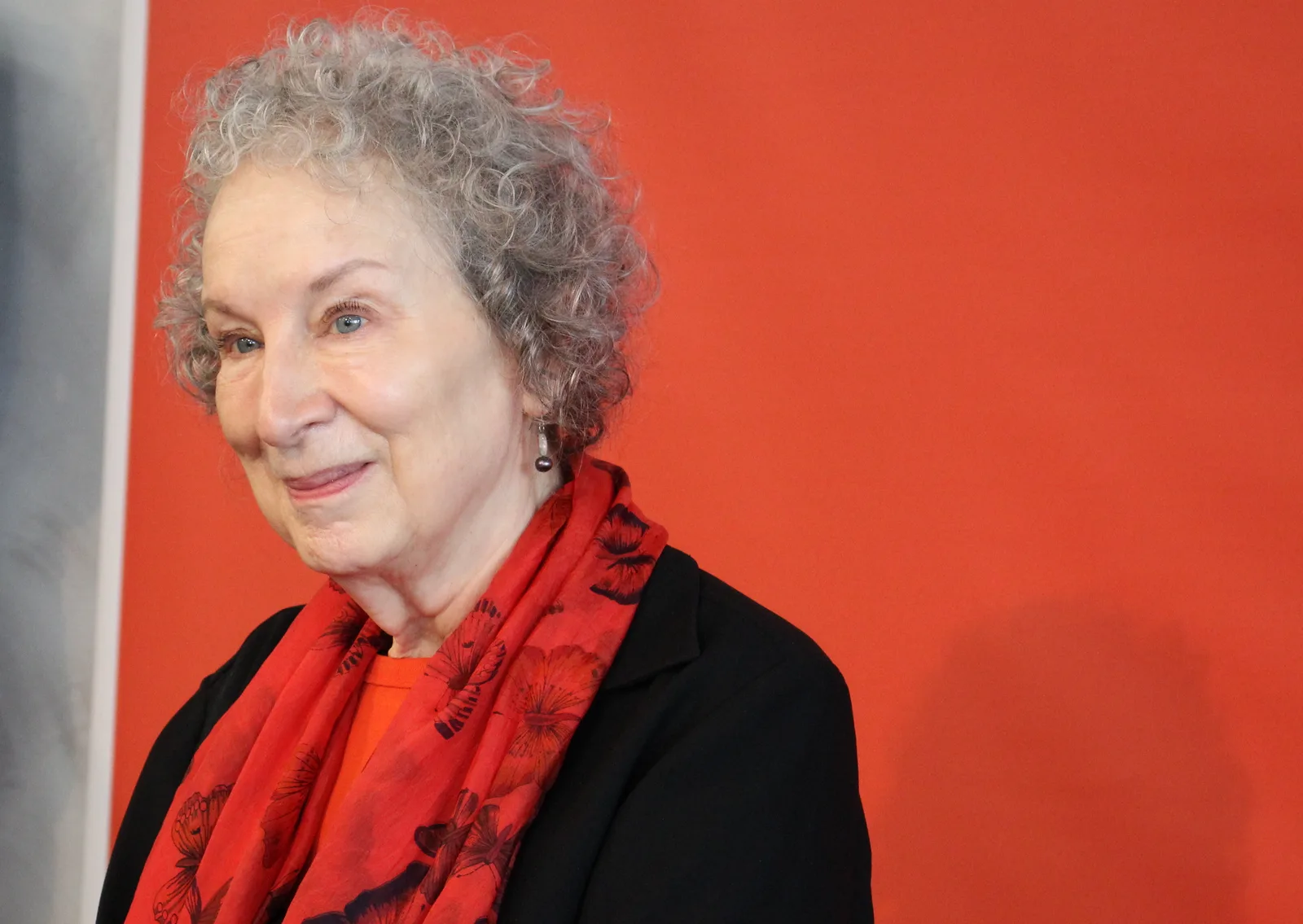
Buenos Aires, 11 de diciembre de 2017 - La escritora Margaret Atwood dio una entrevista junto a Alberto Manguel en la Biblioteca Nacional. Fotos: Mauro Rico / Ministerio de Cultura de la Nación Margaret Atwood - Foire du Livre de Francfort

Photos: Ministerio de Cultura de la Nación Argentina · CC BY-SA 2.0 · source; ActuaLitté · CC BY-SA 2.0 · source

The failed projects leave a clear lesson

Atwood’s adaptations keep making the same demand: do not confuse a large idea with an easy one. The Crakers and hybrid animals offer images a filmmaker can build, but much of MaddAddam lives inside the characters’ heads. Jimmy’s story depends on flashbacks, and Oryx’s past asks a production to handle suffering without turning it into decoration.

That is why the old Handmaid’s Tale movie remains worth revisiting. Not because it secretly solved the novel, and not because disappointment should be polished into praise. It shows the cost of asking one film to carry a book whose deepest action happens where no camera can go. The red costume is visible. The mind inside it is the harder part.

· https://www.yahoo.com/entertainment/tv/articles/margaret-atwoods-terrifying-post-apocalyptic-120000965.html

Every factual claim above is drawn from these. The reading of them is ours.

Margaret Atwood first movie adaptation1990 The Handmaid’s Tale filmMargaret Atwood adaptation historyThe Handmaid’s Tale movie versus TV seriesDarren Aronofsky MaddAddam HBO adaptationEliza Clark MaddAddam series

5 min read

ShareXFacebookThreads
Marcus Reid

House critic, writing in the Ebert tradition: a movie is a machine that generates empathy, and the review is for the person choosing one on a Friday night. Grades relative to genre — a great western beats a failed masterpiece.

Full profile and all work →

More Away From Set

All of it →
Away From Set

‘Young Guns’ Cast Reunites as Third Film Waits in the Wings

Emilio Estevez, Kiefer Sutherland, Charlie Sheen and three fellow Regulators gathered at FAN EXPO Dallas nearly four decades after the 1988 Western. The rare reunion also put fresh attention on the quietly pending ‘Young Guns 3.’

Marcus Reid·Sep 14, 2026

Away From Set

Abhishek Pathak Says Drishyam: The Conclusion Turns Vijay Darker

The director says Ajay Devgn’s final Drishyam film follows an original Hindi story, with Jaideep Ahlawat’s new cop pushing Vijay Salgaonkar into his most morally shadowed chapter. The film opens October 2, while Panorama Studios builds Korean, Spanish and English versions abroad.

Dorothy Kwan·Sep 14, 2026

Away From Set

Sharon Ooja Says Bipolar Role Was Her Toughest Test Yet

The Nollywood actor describes the mental strain of switching between tears, anger and laughter while playing a character with bipolar disorder. Her account offers a rare look at the work—and the cost—behind a demanding performance.

Marcus Reid·Sep 14, 2026

Away From Set

Rohit Roy Calls TV a “Dustbin Medium” and Praises Film-Star Style

The actor’s blunt split between television and cinema has reopened an old hierarchy in Indian entertainment—then put his own television career right in the blast zone. His comments came during a Kindle Cast YouTube conversation reported on September 12, 2026.

Dorothy Kwan·Sep 14, 2026