Mark Rydell Was an Actor First. That Is Why Henry Fonda Finally Won
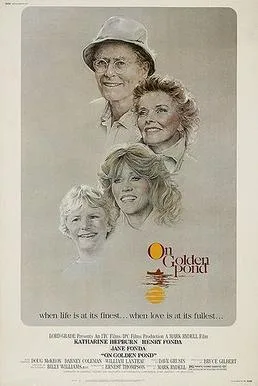
The director of On Golden Pond and The Rose died on Thursday, August 13, aged 97. He had spent six years on a soap opera and about a decade as a working actor before he ever gave a note, and it shows in every performance he got.
He spent six years on a soap opera before he ran a set
Mark Rydell died on Thursday, August 13, of natural causes at the Motion Picture and Television Country House and Hospital in Woodland Hills. He was 97. The Associated Press reported the death, and his daughter Amy wrote that he was "truly one of a kind. Funniest and most talented person I've ever known."
He was born Mortimer Harold Rydell in New York City in March 1929. He studied music at Juilliard, then acting at the Actors Studio, and made his Broadway debut in Seagulls Over Sorrento opposite Rod Steiger. His first film role came in 1956, in Crime in the Streets, alongside John Cassavetes and Sal Mineo. Then he took a job on daytime television and kept it: Jeff Baker on As the World Turns, from 1956 to 1962, with a stretch on The Edge of Night as well.
Six years of soap opera is a strange line on the résumé of a man who would later direct Katharine Hepburn. It is also the most useful training available for the job he ended up doing. Daytime television in that era shot enormous quantities of dialogue on impossible schedules, live or nearly so. An actor learned what a scene needed in one take because there was no second one.
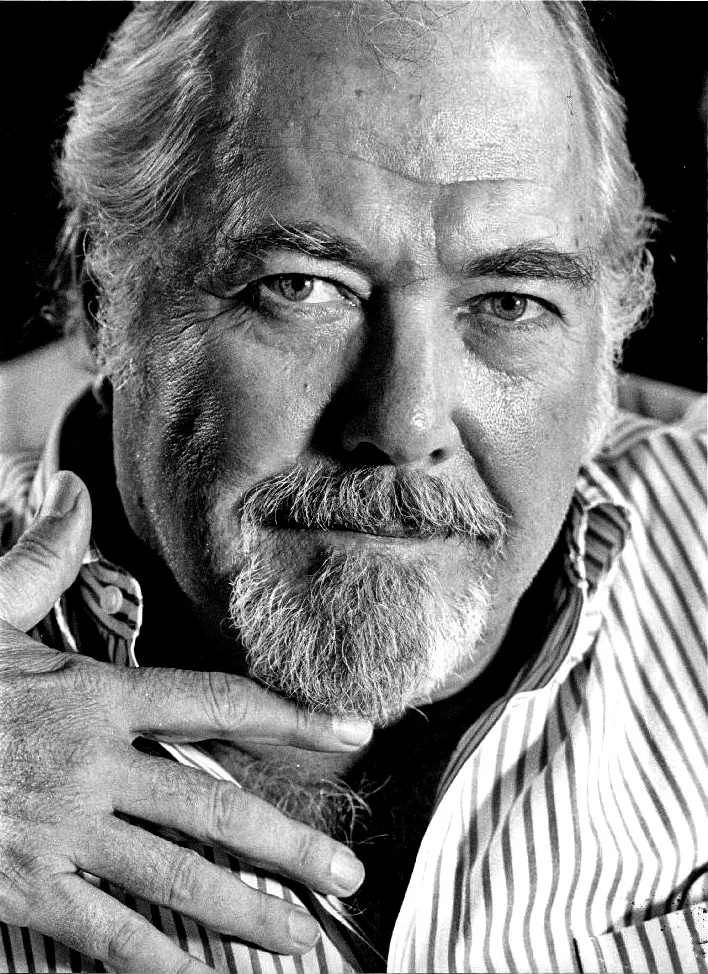
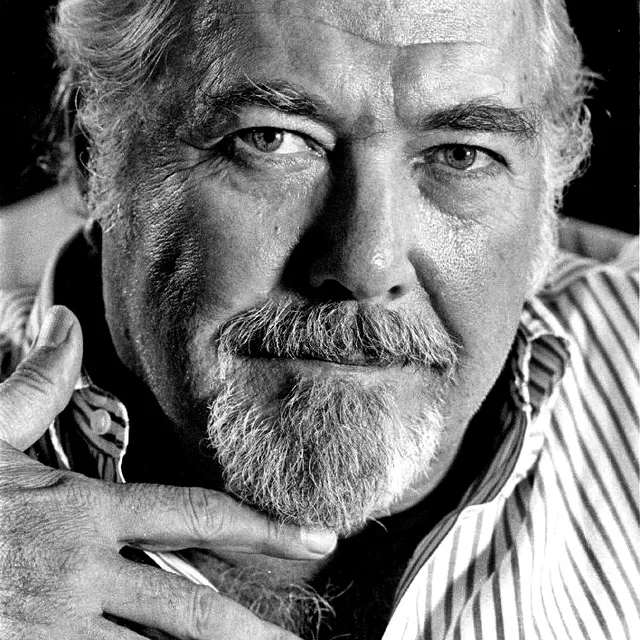
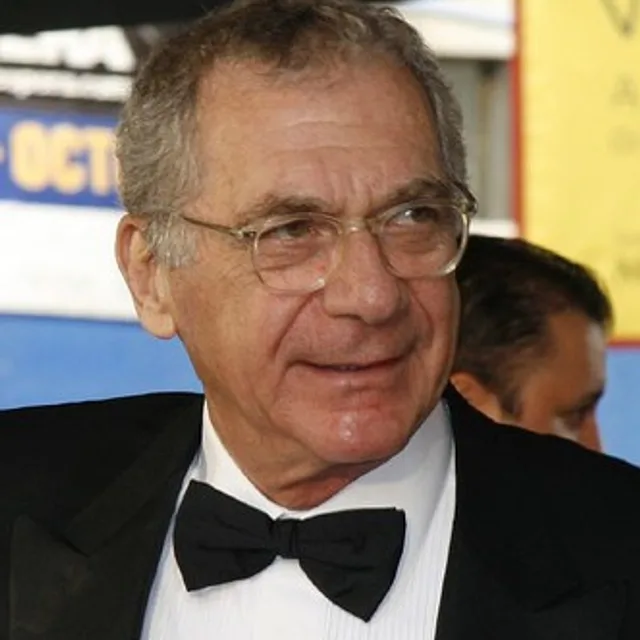
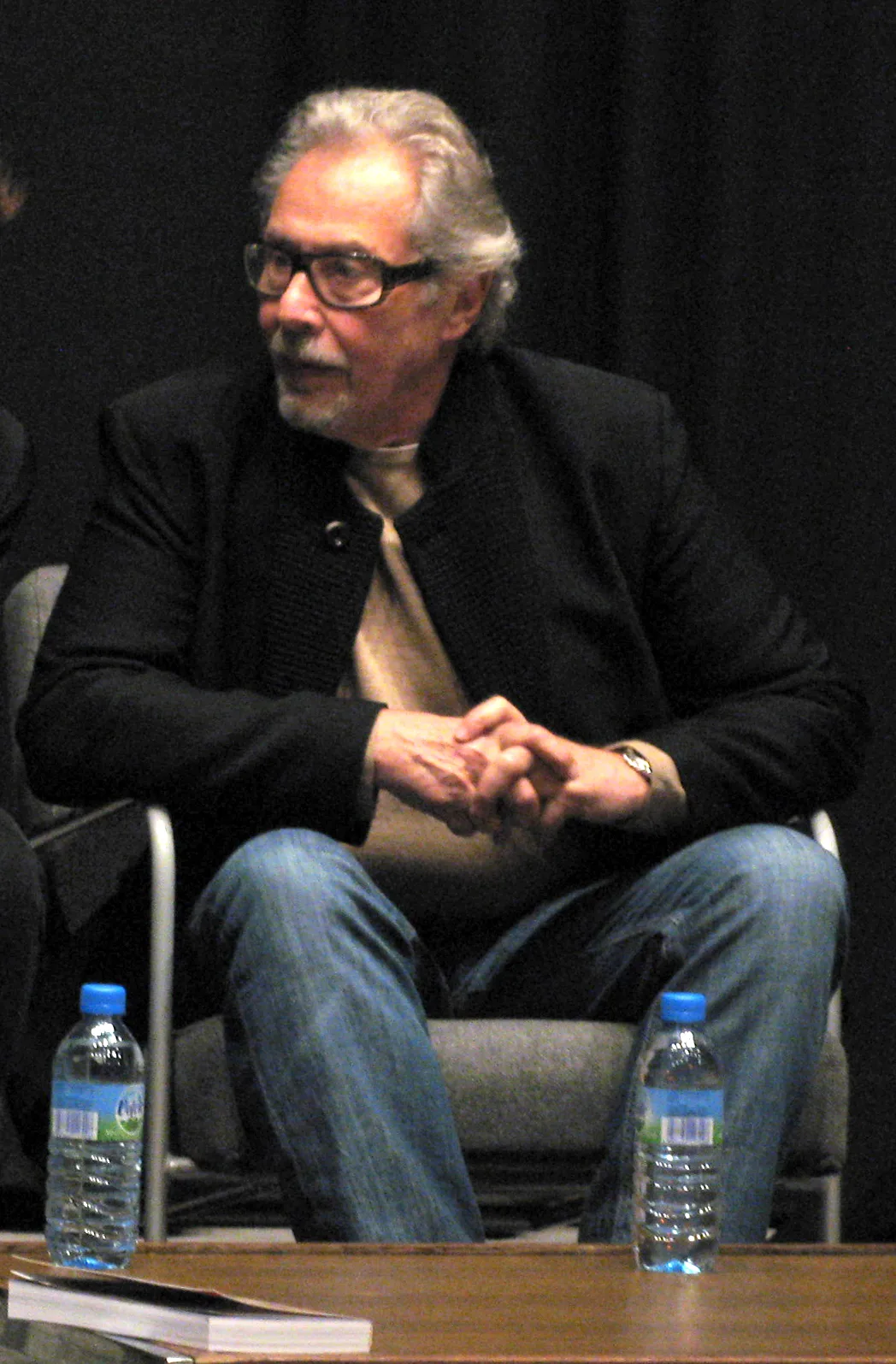
Photo: Associated Press Newsfeatures · Public domain · source
Robert Altman cast him as the most frightening man in The Long Goodbye
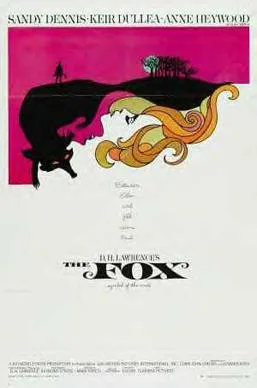
Rydell moved to directing through television — episodes of Mr. Novak, Ben Casey and Gunsmoke — and made his first feature, The Fox, in 1967. He never stopped acting entirely, and in 1973 Robert Altman put him in The Long Goodbye as Marty Augustine, a gangster whose violence arrives without warning and without heat.
It is a genuinely alarming performance, and it is alarming because Rydell plays the man as reasonable. Augustine explains himself. He is courteous. The horror is in the arithmetic going on behind a pleasant face. Almost nobody remembers that the actor doing it had a directing career running in parallel, and it is the single best piece of evidence for what kind of director he was: he understood from the inside that menace is a matter of tempo, not volume.