Olga Limburg Played the Woman Next Door for Fifty Years. Four German States Went Past Her
She was in front of a camera in 1907 and still in front of one in 1957 — aunts, neighbours, housekeepers, forty-nine films. A supporting career is the only kind long enough to be a record of the industry it happened inside, and hers runs straight through the part of German film history that is hardest to write about.
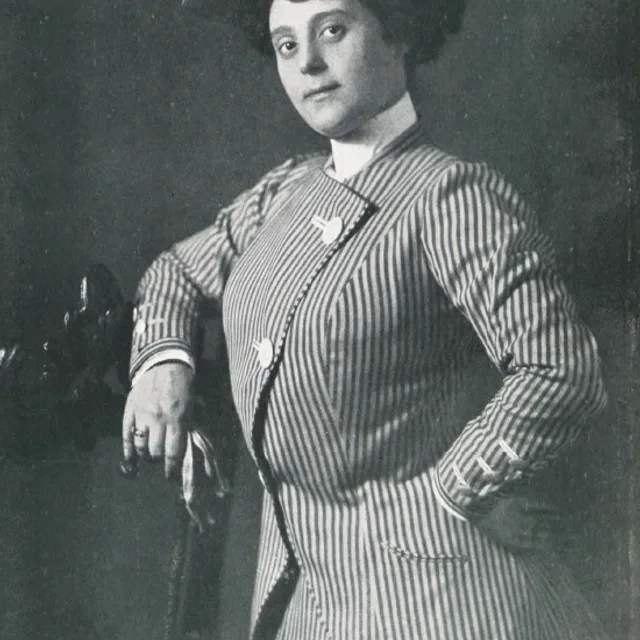
Fifty years of the woman next door
Olga Limburg was born in Düsseldorf on 5 April 1881 and died in Berlin on 7 March 1970, aged eighty-eight. Her first film role was in 1907. Her last was in 1957. Between 1919 and 1955 she appeared in forty-nine films.
The roles are described, in every account of her, in almost the same words: aunts, neighbours, housekeepers, women next door. Four of her films were opposite Heinz Rühmann, who was the biggest star German cinema had. During those two decades she was one of the busiest actresses in the country.
That is a particular kind of career and it is the kind film history is worst at holding. A lead's filmography is a list of decisions — what to take, what to turn down, when to change. A working supporting actress's filmography is closer to a record of what was being made, because she was in it.
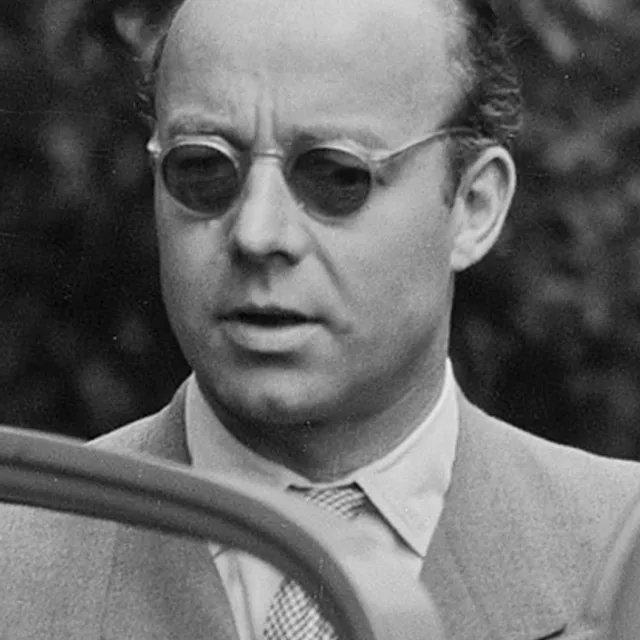
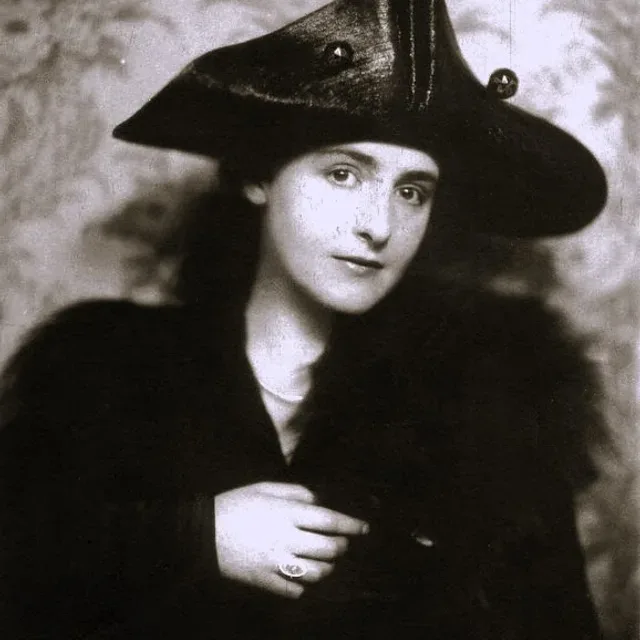
Photo: Roger Rössing / Renate Rössing · CC BY-SA 3.0 de · source
1907 to 1957
She came from the theatre and never entirely left it. Her first engagement was in 1901 at the municipal theatre in Poznań; from 1902 she was in Berlin, at the Tribune, the Metropol, the Lustspielhaus, the Komödie, the Theater am Kurfürstendamm. Early on she played supporting parts, and later she moved into what the German accounts call the comical-oldies repertoire — the character parts that come to an actress who has been on a stage for thirty years.
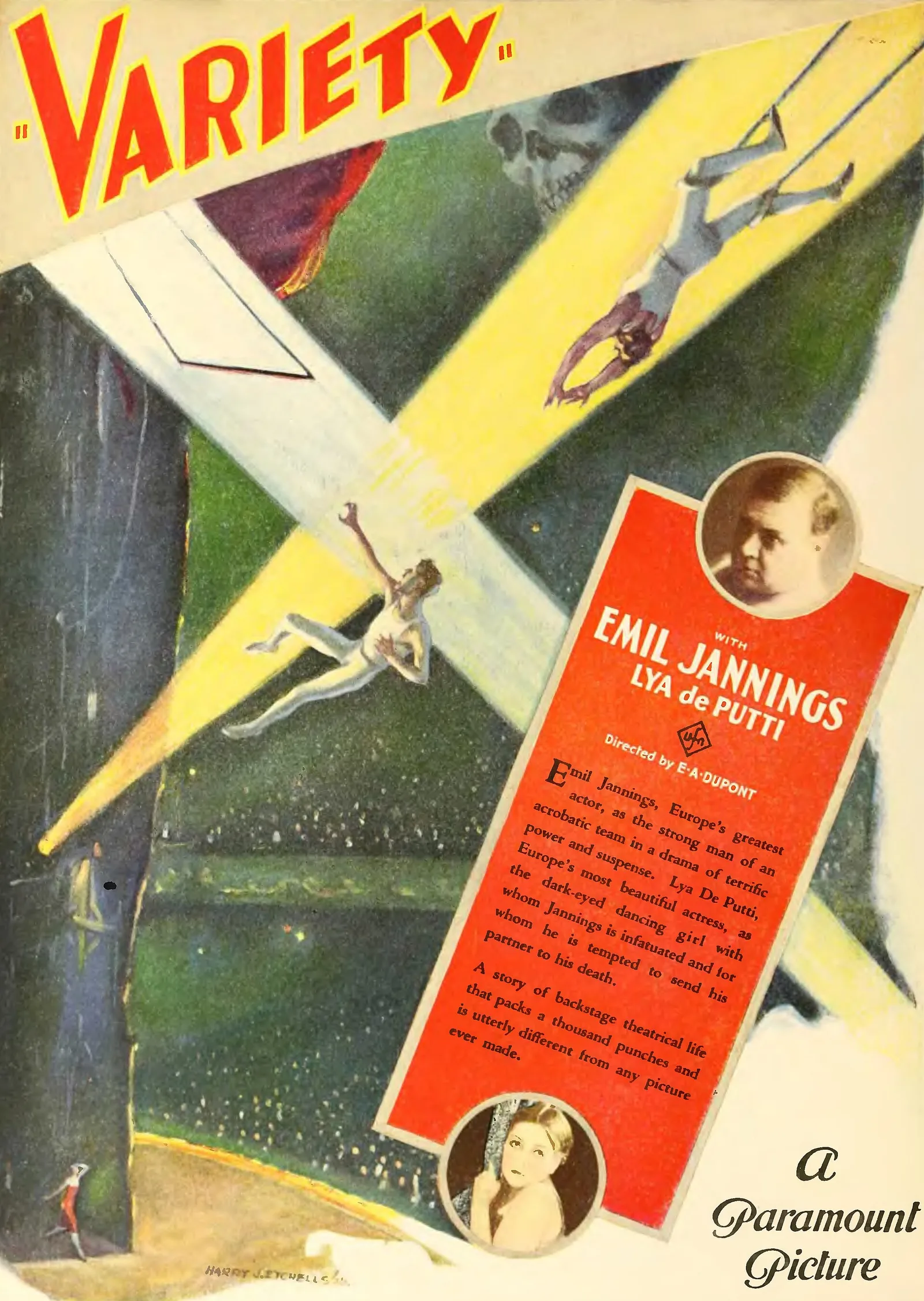
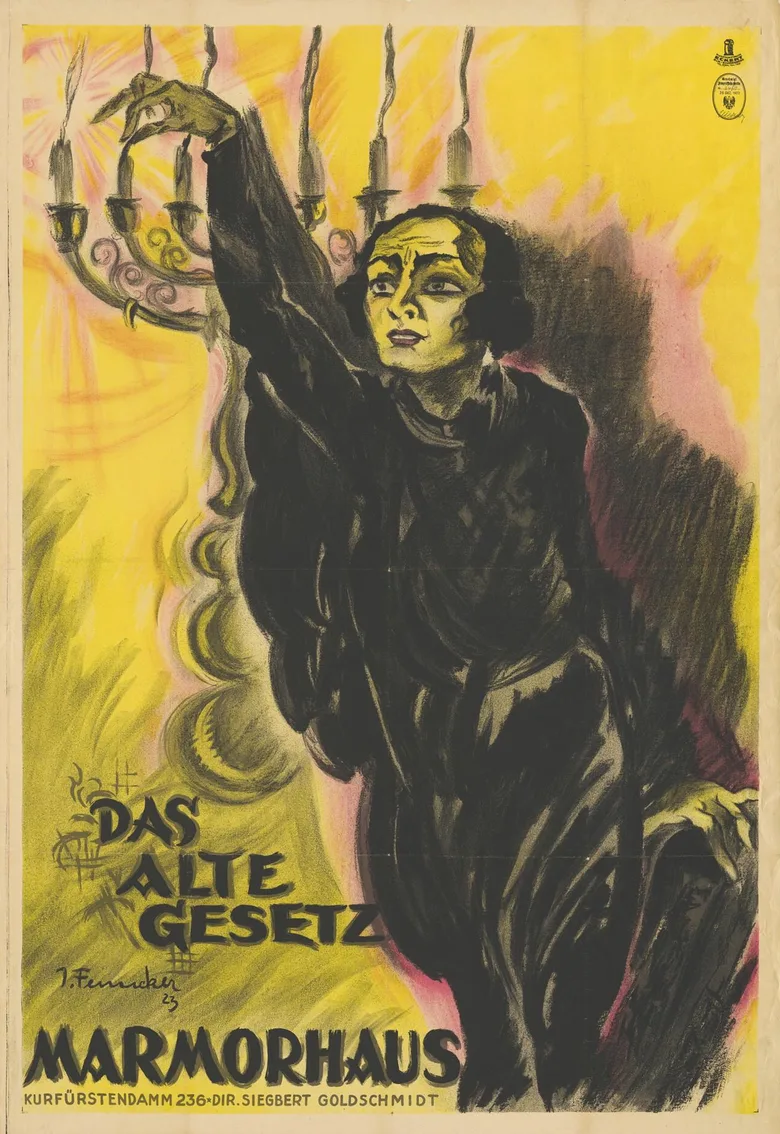
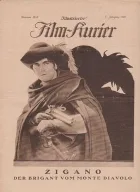
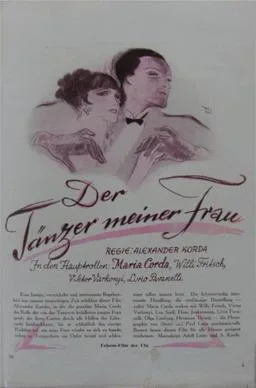
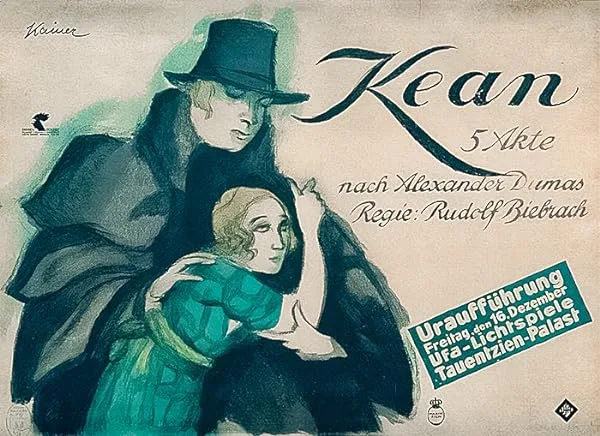
Her film work started in 1907 with a small role in Fest der Handwerker and a second in 1910. The silent parts that got her noticed came later: Prinz Kuckuck in 1919, Kean in 1921, and Rudolf Meinert's Marie Antoinette, the Love of a King in 1922. She was in E. A. Dupont's The Ancient Law in 1923, and in The Unknown Tomorrow the same year, and in Zigano and Dancing Mad in 1925.
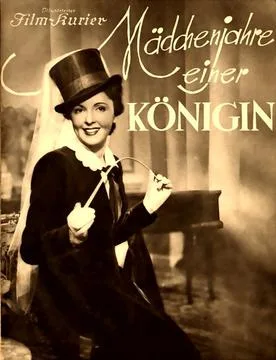
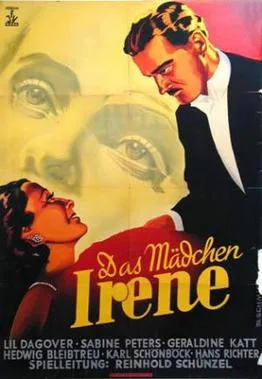
Then sound arrived and she kept working: Between Night and Dawn in 1931, two films in 1933, Victoria in Dover and The Girl Irene