CinePixo
ReviewsOff CameraMoviesPeopleTopicsCriticsStats
Sign inJoin
ReviewsOff CameraMoviesPeopleTopicsCriticsStats
CinePixo
ReviewsOff CameraMoviesWatchCriticsStatsAboutContactPrivacyTermsRSS

CinePixo — a home for film-critic fandom.Built, filled and argued over by this community — the library, the artwork we license and host, the taxonomy and every signed review grow here, together.

  1. Home
  2. /Off Camera
  3. /Industry
  4. /The New Beatles Crossed Abbey Road. One Famous Image Cannot Tell Four Movies What They Are
Industry

The New Beatles Crossed Abbey Road. One Famous Image Cannot Tell Four Movies What They Are

Paul Mescal, Harris Dickinson, Joseph Quinn and Barry Keoghan have recreated the Abbey Road crossing for Sam Mendes' four-film Beatles project. The perfect replica is less interesting than the four competing memories around it.
by CinePixoAugust 18, 20266 min read8 views
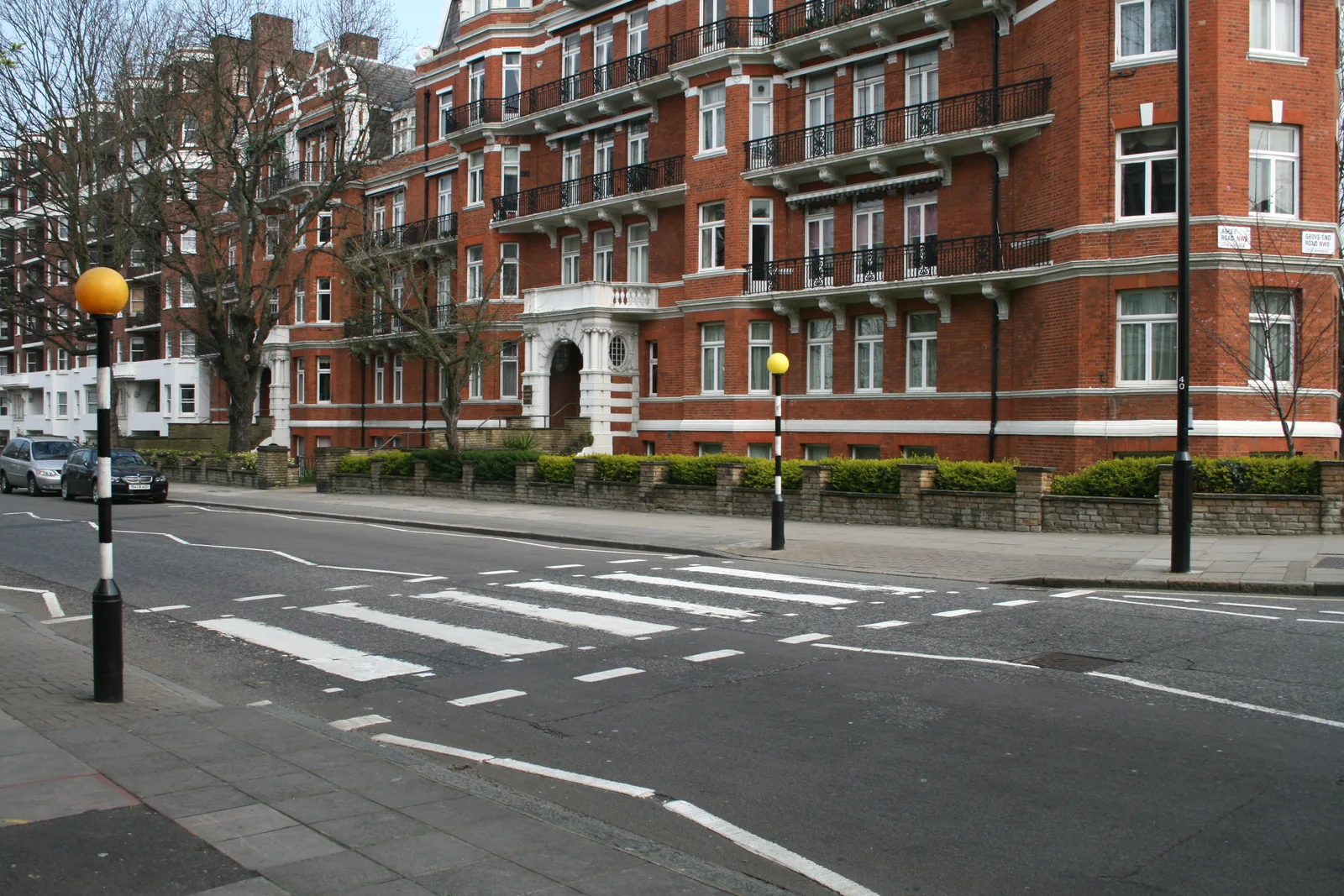
The Abbey Road zebra crossing in London photographed in 2007
The Abbey Road zebra crossing in London photographed in 2007 · Misterweiss (Public domain)

In this piece

  1. 01Four actors walked into the most recognizable photograph in music
  2. 02Accuracy is visible, but perspective is the real promise
  3. 03Paul Mescal cannot play only the barefoot clue
  4. 04Sam Mendes is building a quartet, not a miniseries with intermissions
  5. 05George and Ringo must not become supporting characters in their own films
  6. 06Abbey Road should be a junction, not a finish line

Four actors walked into the most recognizable photograph in music

The principal actors in Sam Mendes' The Beatles — A Four-Film Cinematic Event were photographed filming at the Abbey Road zebra crossing on August 17. Harris Dickinson, Paul Mescal, Joseph Quinn and Barry Keoghan crossed in the familiar order associated with John Lennon, Paul McCartney, George Harrison and Ringo Starr. Reports from the location noted that Mescal was barefoot, reproducing the most endlessly discussed detail of the 1969 album cover.

The images are easy publicity even though they came from observers rather than an official studio release. Recognition happens before thought. Four bodies, white stripes, one bare pair of feet: the composition turns actors into Beatles faster than dialogue, music or performance can.

Sony's project is more complicated than that immediate resemblance. The company announced four distinct theatrical films, all directed by Mendes, each told from one band member's perspective. The Beatles and Apple Corps granted full life-story and music rights. Sony's official description is concise: each man has his own story, but together they are legendary.

Abbey Road is therefore not merely a famous scene to reproduce. It is a test of the entire structure. Four people shared the same crossing. Four films must decide whether they remember it the same way.

Accuracy is visible, but perspective is the real promise

The location footage demonstrates extraordinary attention to surface. Costumes reproduce the cover's contrast, the actors maintain the original order and Mescal's bare feet supply the detail that social media can approve in a second. None of that tells us whether the films can distinguish memory from reconstruction.

A conventional music biopic organizes history around milestones: first meeting, first hit, first crisis, final performance. Four connected films risk multiplying those obligations. The same Cavern Club set, television appearance or studio argument could recur until significance becomes repetition. Mendes' format only earns its scale if an event changes when the storyteller changes.

Perspective is not a camera placed on another side of the room. It determines what a person notices, what he misunderstands and what he refuses to remember. John's version of a session might register control; Paul's might register unfinished work; George's might register the lack of space left for his songs; Ringo's might register the moment four separate pressures briefly became rhythm.

The crossing can be identical in each film and still mean four different things. That is the artistic opportunity hidden inside a picture-perfect recreation.
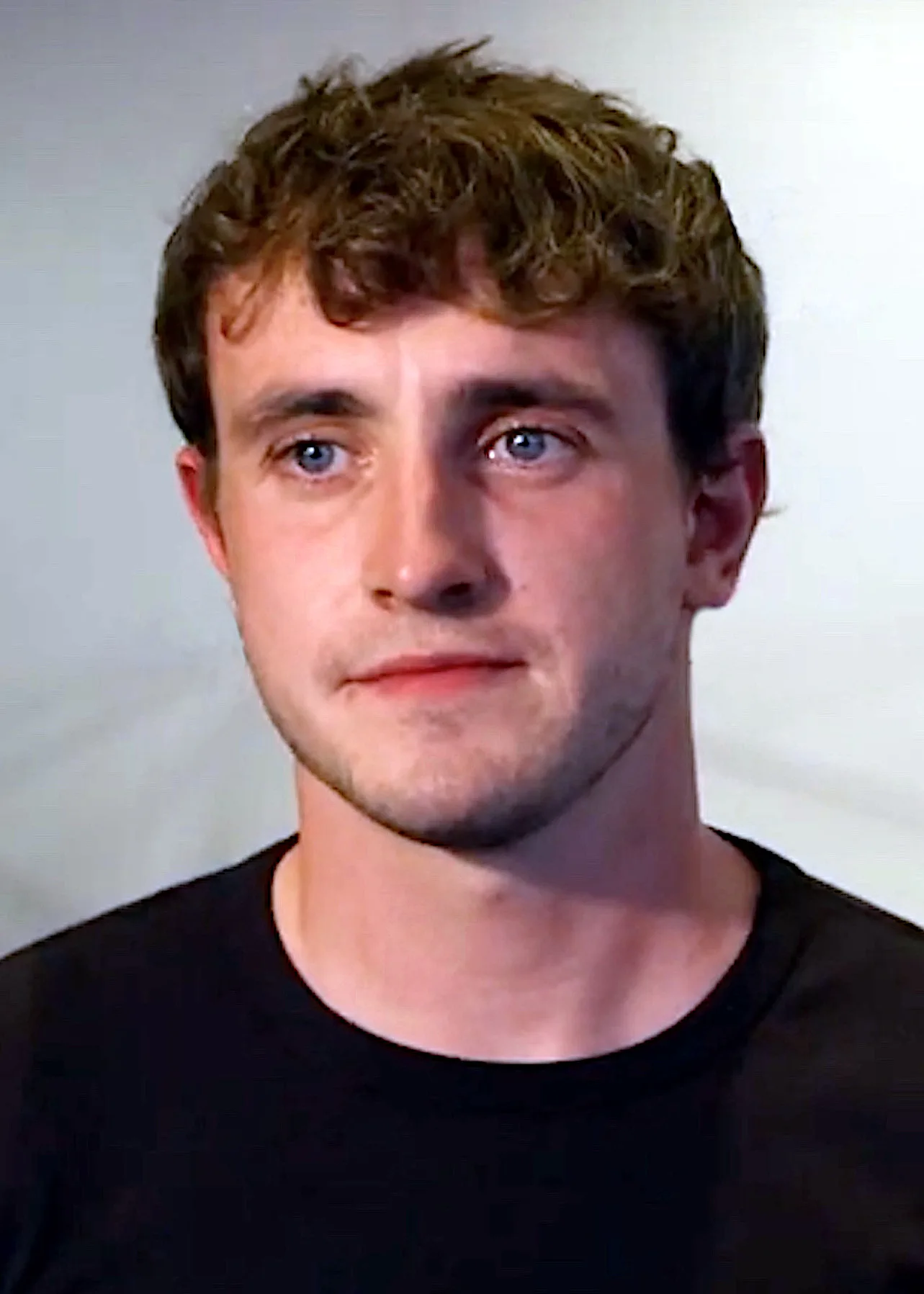
Paul Mescal at the Mill Valley Film Festival in 2021

Sources

  1. 01sonypictures.com · https://www.sonypictures.com/corp/press_releases/2024/0220
  2. 02dev-benelux.sonypictures.com · https://dev-benelux.sonypictures.com/news/cinemacon-recap
  3. 03cadenaser.com · https://cadenaser.com/nacional/hype/2026/08/17/la-recreacion-de-la-mitica-portada-de-abbey-road-para-el-biopic-de-the-beatles-revoluciona-las-redes-cadena-ser/
  4. 04as.com · https://as.com/meristation/cine/primera-imagen-y-video-del-reparto-del-biopic-de-the-beatles-recreando-el-mitico-album-abbey-road-f202608-n/
  5. 05apnews.com

In this piece

  1. 01Four actors walked into the most recognizable photograph in music
  2. 02Accuracy is visible, but perspective is the real promise
  3. 03Paul Mescal cannot play only the barefoot clue
  4. 04Sam Mendes is building a quartet, not a miniseries with intermissions
  5. 05George and Ringo must not become supporting characters in their own films
  6. 06Abbey Road should be a junction, not a finish line

Photo: Kevin Kunze · CC BY 3.0 · source

Paul Mescal cannot play only the barefoot clue

Mescal's resemblance as Paul McCartney has attracted particular attention because the costume delivers the familiar silhouette immediately. His more valuable qualification is his ability to make openness complicated. In Aftersun, warmth and private despair occupy the same gestures. In All of Us Strangers, intimacy does not eliminate absence; it makes absence legible.

McCartney's film will need that doubleness. The public figure can be charming, ambitious, controlling, musically generous and exhausting without one trait canceling another. A four-perspective structure should free the screenplay from issuing a final verdict. It can show how the behavior that one person experiences as leadership is felt by another as domination.

The Abbey Road image arrives near the band's end, but it looks serenely coordinated. That contradiction is useful. Mescal's bare feet should not become a trivia reward offered to fans. The scene can ask how a person performs ease inside a collaboration already under strain.

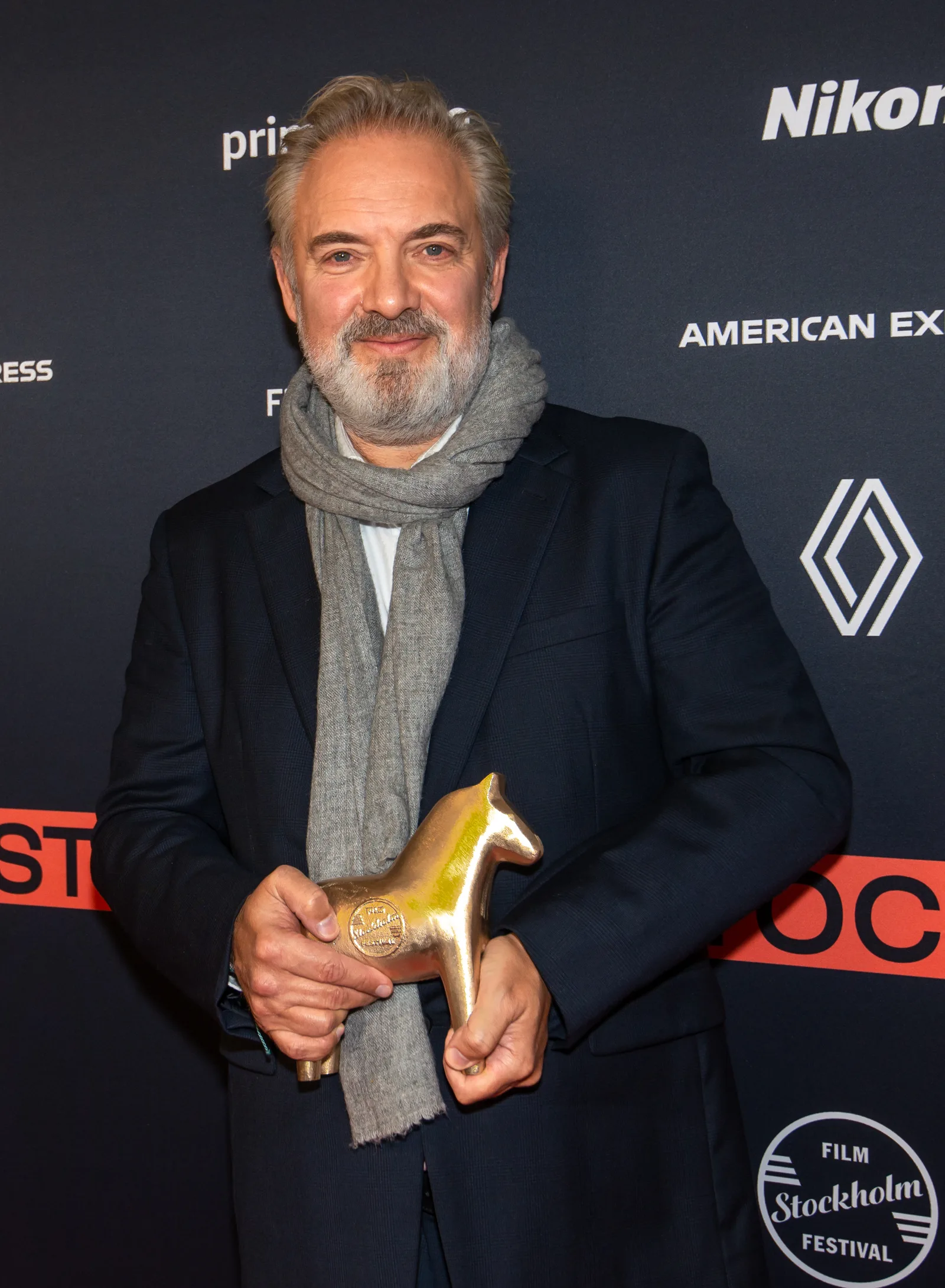
Director Sam Mendes at the Stockholm International Film Festival in 2022

Photo: Frankie Fouganthin · CC BY-SA 4.0 · source

Sam Mendes is building a quartet, not a miniseries with intermissions

Mendes has spent much of his film career controlling point of view through space. 1917 turns an apparent continuous journey into a mechanism for proximity and exhaustion. Skyfall and Spectre use franchise iconography while questioning the institutions that preserve it. Empire of Light places private need against a public theater.

Four Beatles films demand another kind of control. Each must work independently while leaving interpretive room for the others. Too much duplication and the project feels like a miniseries sold as separate tickets. Too much separation and the central fact of the Beatles — that individual talents produced something none could make alone — disappears.

The industrial gamble is enormous. Four releases mean four campaigns, four critical conversations and four chances for audiences to decide they have already received enough. But the scale also rejects the usual compression that turns a band's history into a two-hour sprint from audition to breakup. Duration can create nuance if it is used for disagreement rather than completeness.

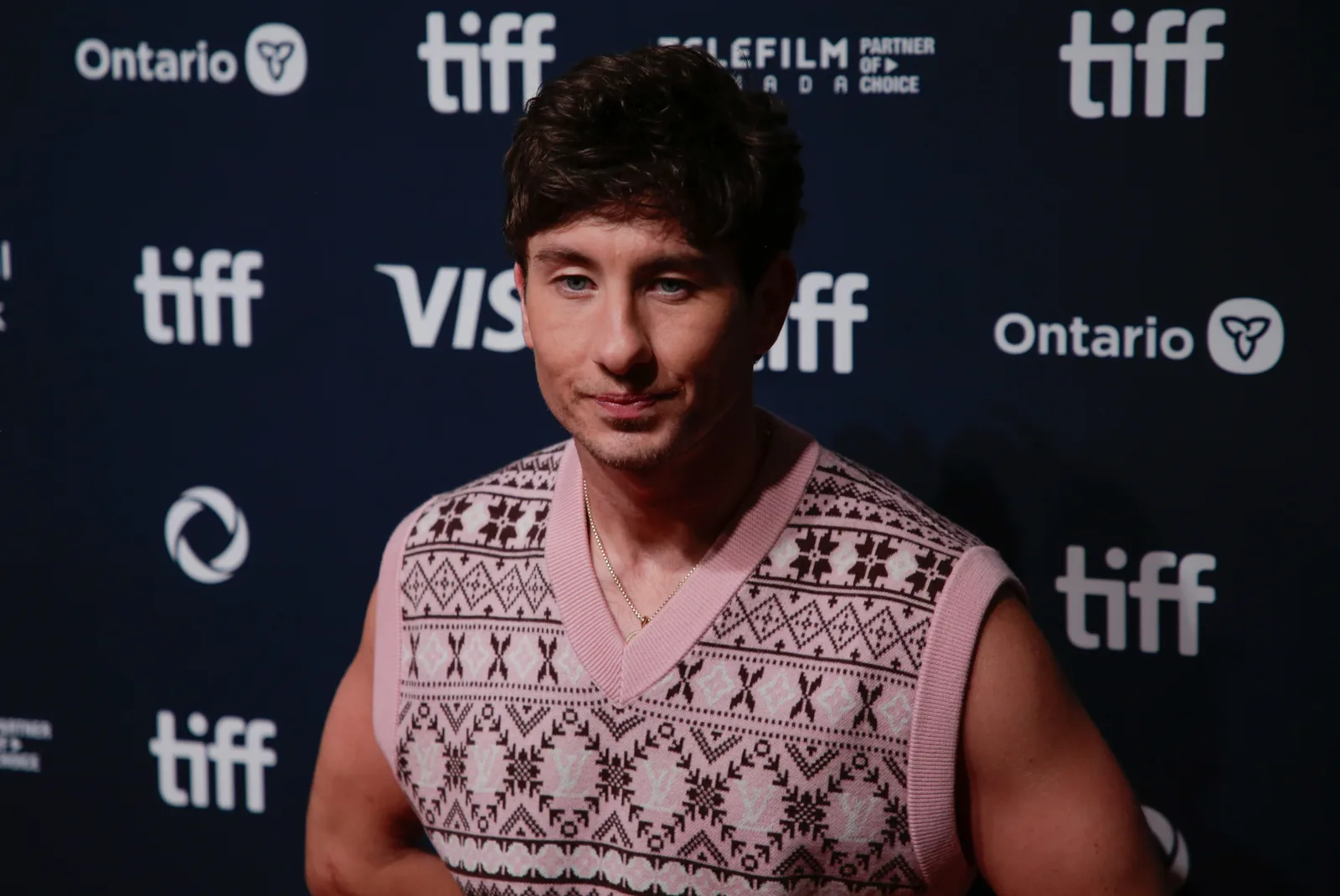
Barry Keoghan at the Toronto International Film Festival in 2024

Photo: Sara Komatsu / WikiPortraits · CC BY-SA 4.0 · source

George and Ringo must not become supporting characters in their own films

Joseph Quinn plays George Harrison and Barry Keoghan plays Ringo Starr. In a single conventional biopic, both would be vulnerable to familiar functions: George waits to be taken seriously, Ringo supplies steadiness and humor. Separate films promise to reverse that hierarchy.

Harrison's songs changed the balance of the group's later records, and his interests widened the band's musical and spiritual vocabulary. Starr's drumming made radically different compositions sound as though they belonged to one group. Their perspectives can reveal labor that mythology hides. The Beatles story often defaults to a contest between Lennon and McCartney because conflict is easy to dramatize and songwriting credits provide a ready scorecard.

Quinn and Keoghan should not merely fill missing chapters around that contest. Their films can question the premise that proximity to the principal rivalry determines importance. The four-film idea becomes worthwhile when the people usually placed at the edge can redefine where the center was.

Abbey Road should be a junction, not a finish line

The original photograph was taken on August 8, 1969, outside the studio that would lend the album its name. Its simplicity helped it escape its immediate purpose. Tourists still stop traffic to repeat the walk, and the crossing became a landmark because an ordinary piece of road could hold a shared cultural memory.

Recreating it is inevitable. Treating it as the project's ultimate proof of authenticity would be a mistake. Biographical cinema cannot resurrect the past through wardrobe precision, and famous images can become cages when every scene exists to explain how a photograph happened.

The new footage should make viewers curious about what happens before and after the actors align. Who calls them into position? Who hurries the others? Who treats the session as work, who recognizes a farewell, and who cannot yet know what the image will become?

Four men cross one road in the same direction. Four films are supposed to reveal that they were never arriving from the same place. If Mendes can preserve that tension, Abbey Road will function not as a monument the project bows before, but as the junction where four versions of a shared life briefly occupy one frame.

· https://apnews.com/article/85d2612a316d92632dd2ecf8a21e115c
  • 06abbeyroad.com · https://www.abbeyroad.com/news/deconstructing-abbey-road-cover-photography-session-2588
  • Every factual claim above is drawn from these. The reading of them is ours.

    Beatles biopics Abbey RoadPaul Mescal Paul McCartneySam Mendes Beatles moviesHarris Dickinson John LennonBeatles four film cinematic event

    6 min read

    ShareXFacebookThreads
    C

    CinePixo

    Founder of CinePixo — a home for film-critic fandom.

    More Industry

    All of it →
    Industry

    An AI Studio Opened Next Door to Culver City. Its Sound Stage Was a Corner of the Office

    Promise is making an AI-assisted horror film within sight of the lots where Singin' in the Rain was shot, on a budget in the low millions. The unsettling part of the reporting is not what the software can draw. It is the list of things the software makes unnecessary.

    CinePixo·Aug 20, 2026

    Industry

    Lee Chang-dong Returns to Venice After 24 Years. Netflix Is Sending Him to Theaters First

    Possible Love premieres in Venice competition on September 6, opens in Korean cinemas on September 23 and reaches Netflix on November 6. It is Lee Chang-dong's first film in eight years, and the order of those three dates is the most interesting decision anyone made about it.

    CinePixo·Aug 19, 2026

    Industry

    Ryan Gosling's Ghost Rider Has a Date. Now Marvel Has to Give Him a Road Worth Burning

    Disney has set Ryan Gosling's Ghost Rider for July 28, 2028. The date completes a striking three-film Marvel calendar, but the character will only matter if the studio lets a supernatural loner remain strange.

    CinePixo·Aug 18, 2026

    Industry

    Ghost Market Is Pixar's Best Kind of Risk: a Specific Place With an Unfamiliar Door

    Pixar's newly confirmed March 2028 original follows a fast-talking child into a North Shore lunch shop serving stranded spirits. Its promise is not that ghosts are new, but that the doorway is culturally and geographically specific.

    CinePixo·Aug 18, 2026