Tom Hanks Is in Talks for Theo of Golden, and the Fit Is Obvious
Warner Bros. is negotiating for the rights to Allen Levi’s bestseller, with Hanks in discussions to star and co-produce. The book’s gentle premise sounds built for the actor’s late-career register.
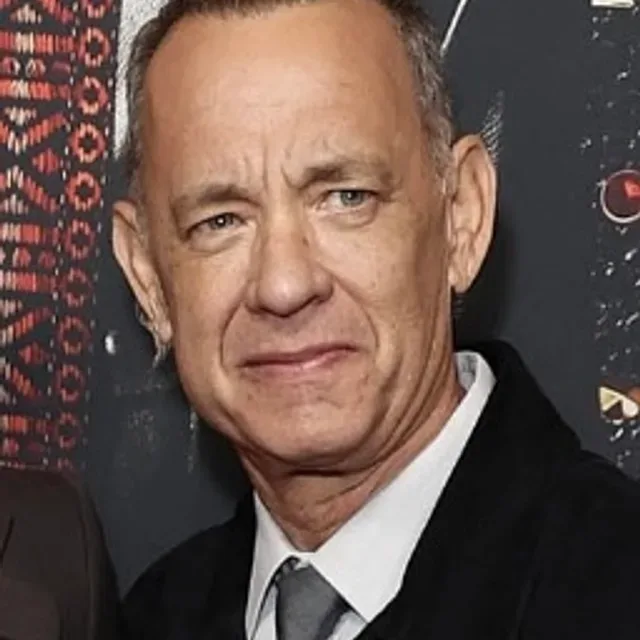
Tom Hanks is in discussions to take the lead role in a film adaptation of Allen Levi’s bestselling novel Theo of Golden, Devdiscourse reported, citing Deadline. Warner Bros. Pictures is negotiating for the film rights, and Hanks is also slated to co-produce if the project moves forward.
Hanks May Be Heading to Golden
Devdiscourse reports that Hanks has not officially confirmed his involvement, so this is still a talks-stage story, not a greenlight parade. The shape of the package is still interesting: Warner Bros. is in discussions for the rights, Hanks is circling the lead, and the producing team named in the report includes Hanks, Gil Netter, and Gary Goetzman.
Allen Levi, who wrote the novel, is set to be an executive producer, according to Devdiscourse. Jesse Ehrman and Sheila Walcott are overseeing the project for Warner Bros.
For Hanks, this sounds like one of those parts that does not need to strain for importance. The report describes Theo as a man in the fictional town of Golden who buys pencil portraits from a local coffee shop, then returns each portrait to the person in it. Each return brings out private histories, personal ties, and pieces of grief. Theo, in the process, is dealing with tragedies of his own.
That is a clean setup. It is also the kind of setup that can go soft fast if the movie mistakes kindness for weightlessness. Hanks, at his best, knows the difference.
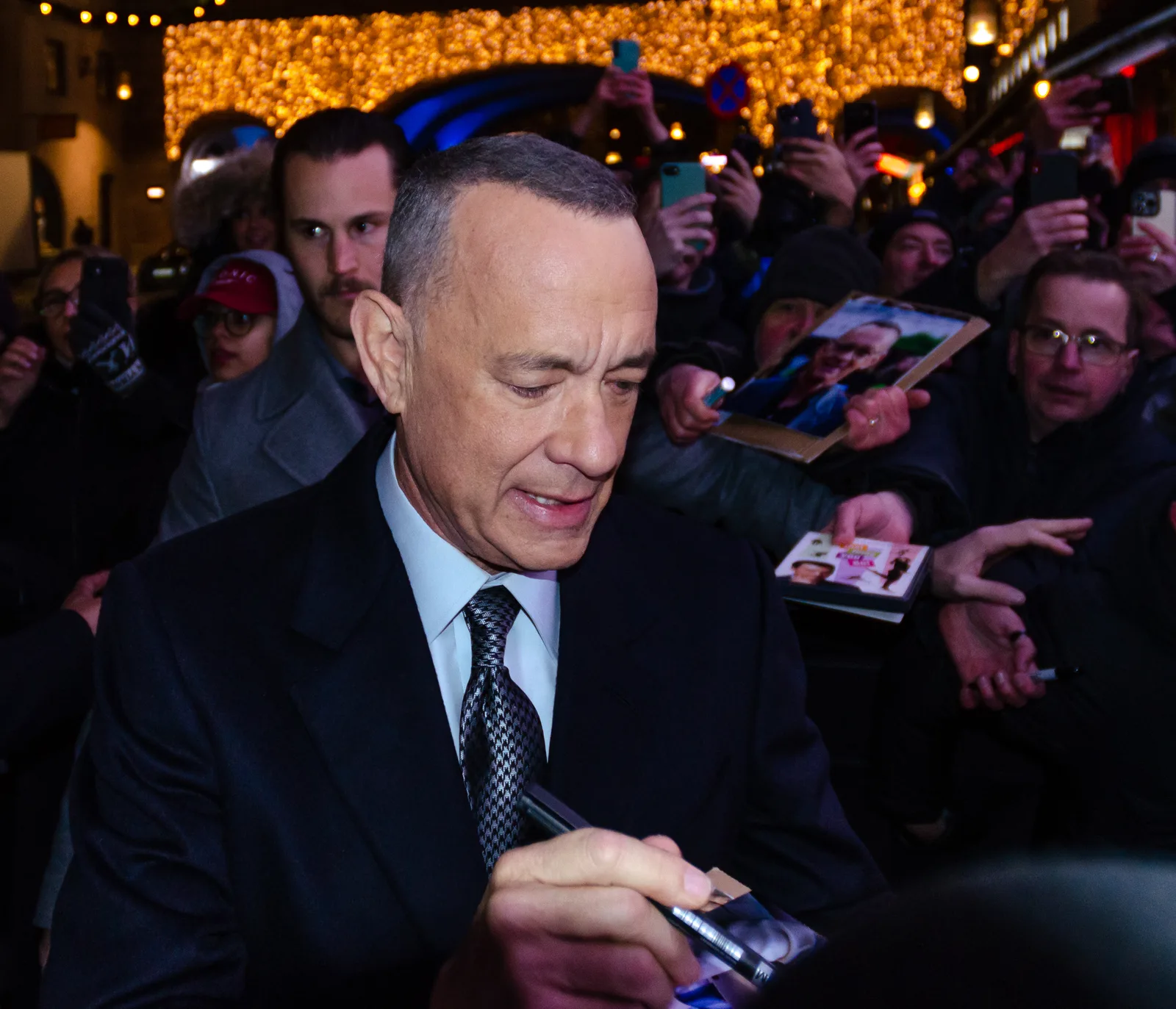
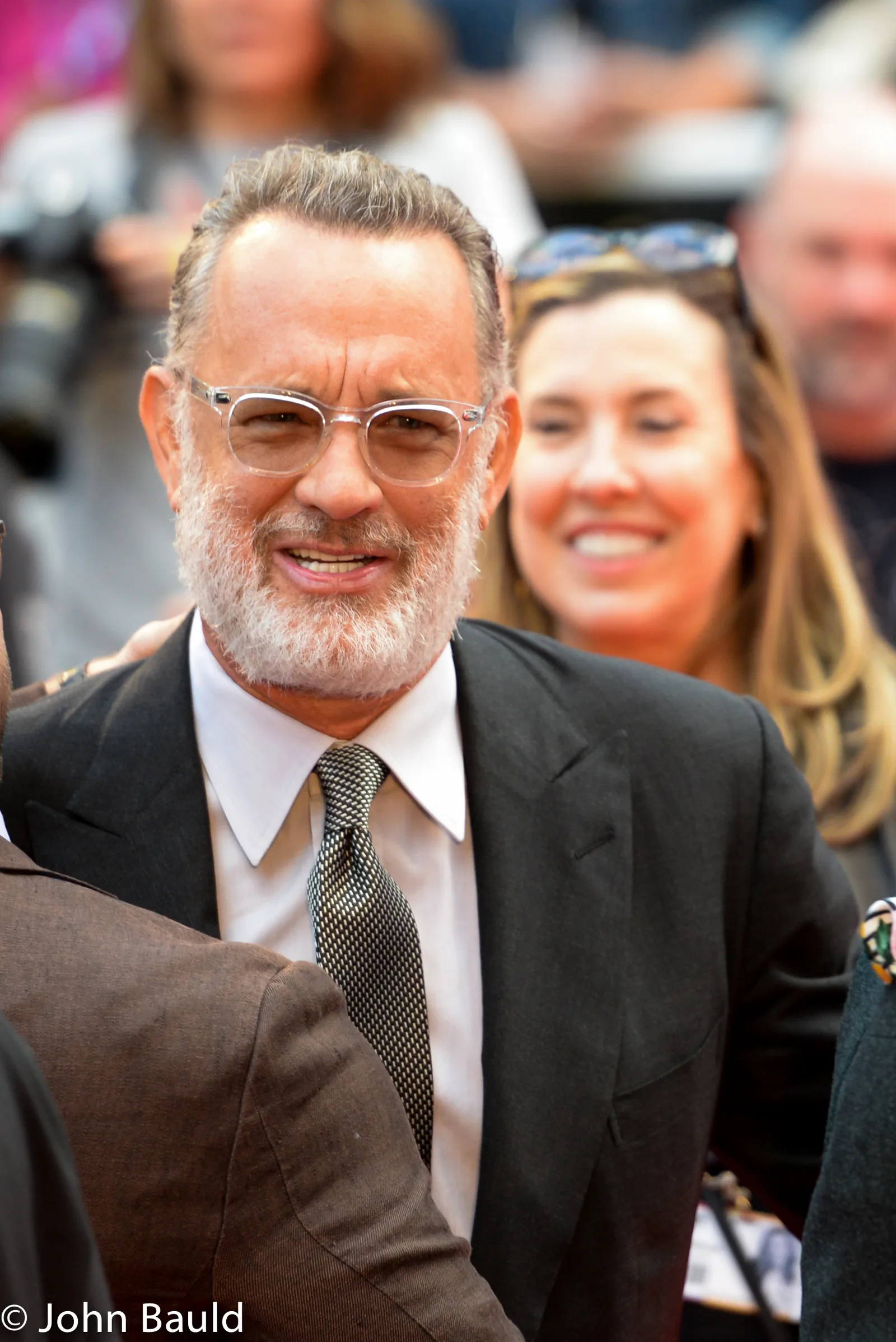
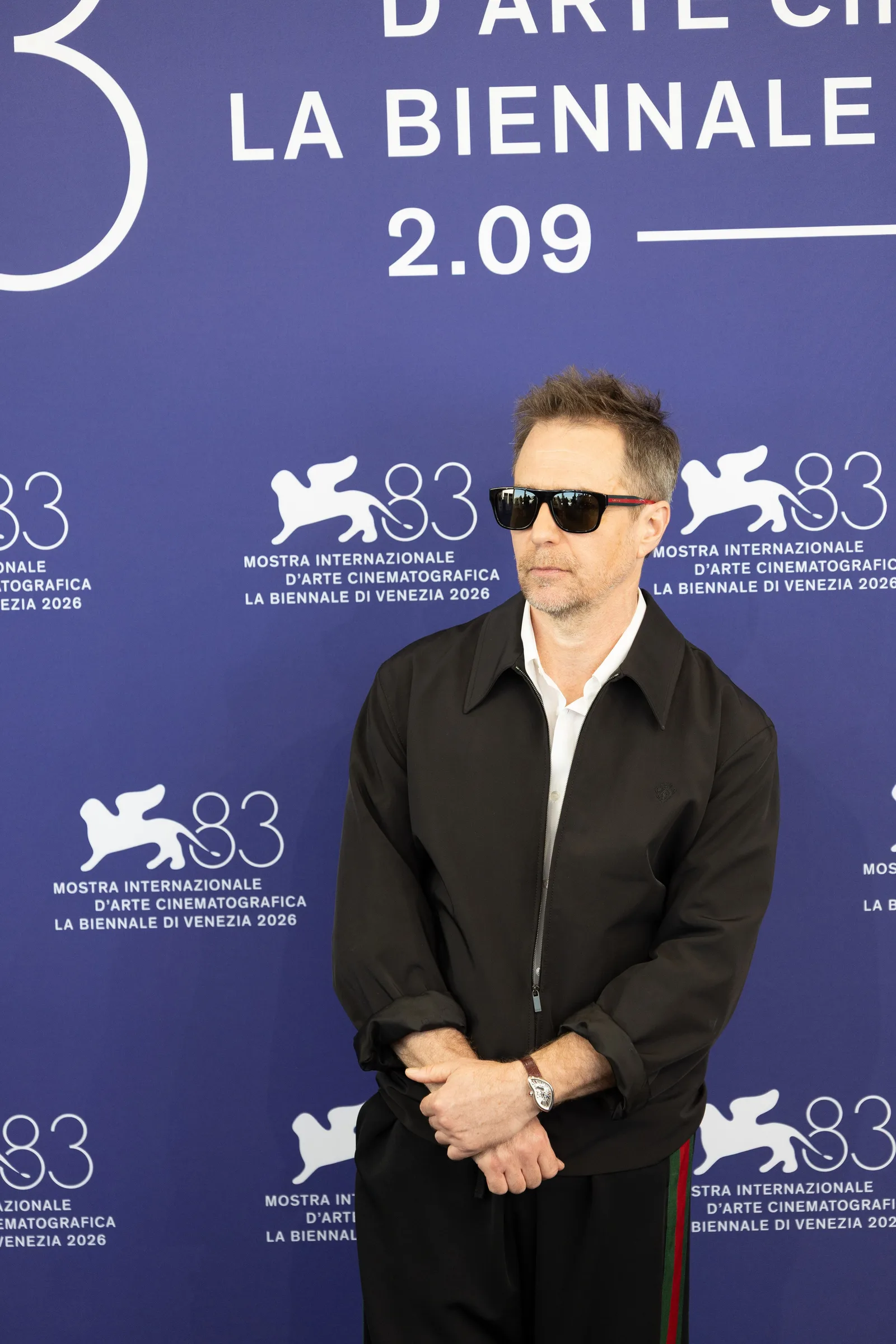
Photo: Frankie Fouganthin · CC BY-SA 4.0 · source
What the Book Gives a Movie
The premise has a built-in rhythm: portrait, person, story, return. A lesser adaptation could turn that into a neat row of life lessons. A better one could let Golden feel like a place where people have been quietly carrying things for years.
The detail that matters most is the pencil portrait. Not a phone photo. Not a found letter. A drawing. Something made by hand, sitting in a coffee shop, waiting for the right person to notice it. That gives a director and cinematographer a lot to work with before anyone says a word.
Devdiscourse, citing Deadline, describes the story as one in which hidden narratives and personal ties come to light as Theo returns the portraits. That phrasing suggests an episodic structure, but the emotional pressure rests on Theo himself. If he is only a messenger, the film risks becoming a tour of other people’s sorrow. If he is changed by the act of returning these images, there is a movie there.