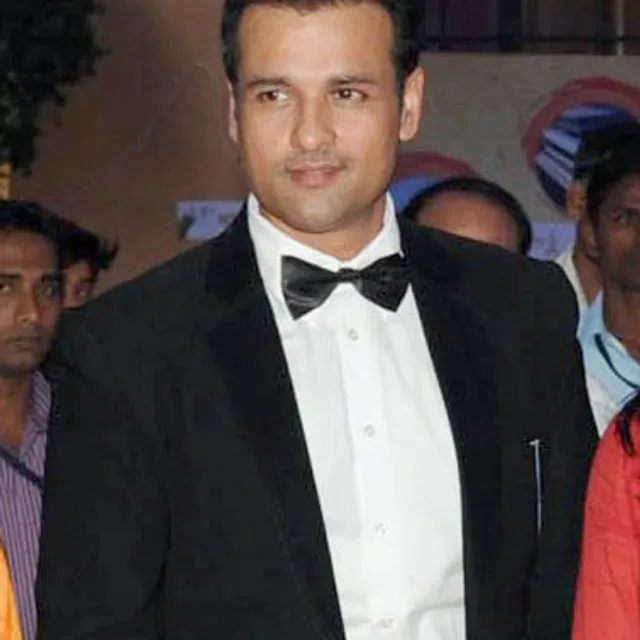
Why Kit Connor Makes Sense for Cyclops — If Marvel Closes the Deal
Trade reports say Kit Connor is circling the role of Scott Summers in Marvel's new X-Men film. The interesting question is not whether he looks right in a visor, but whether the film will let Cyclops lead.
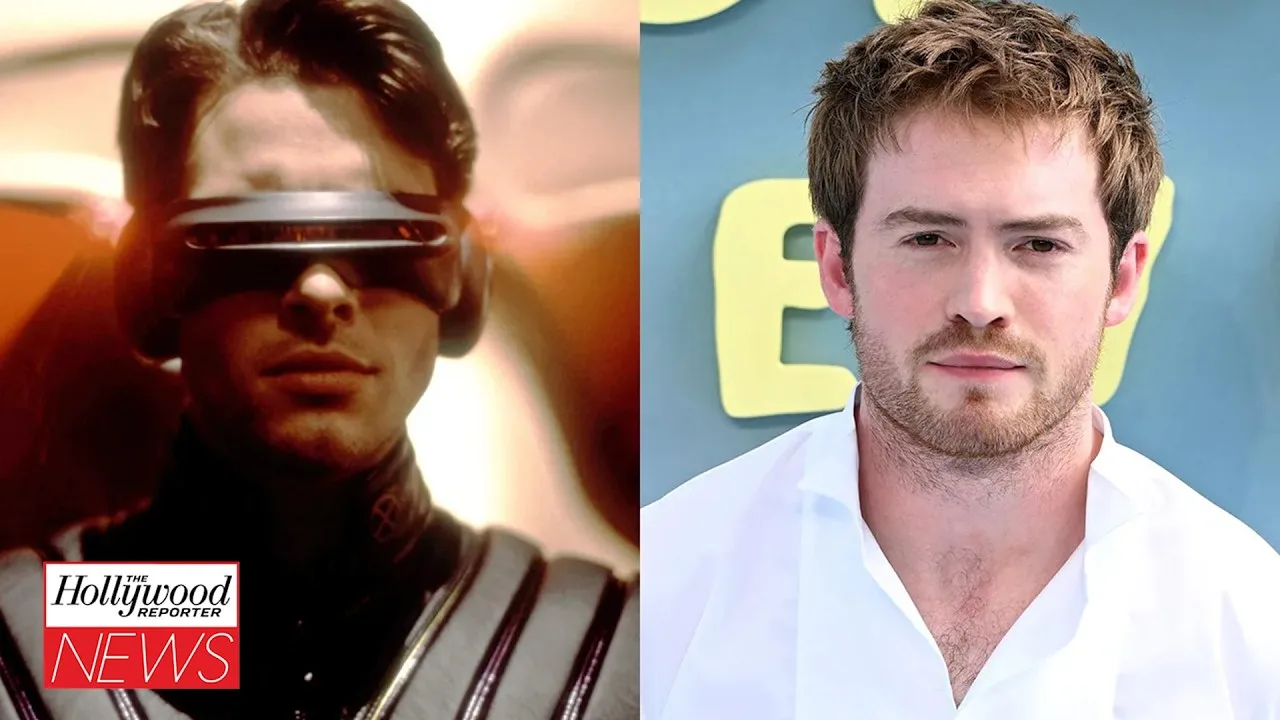
The report is a negotiation, not a costume fitting
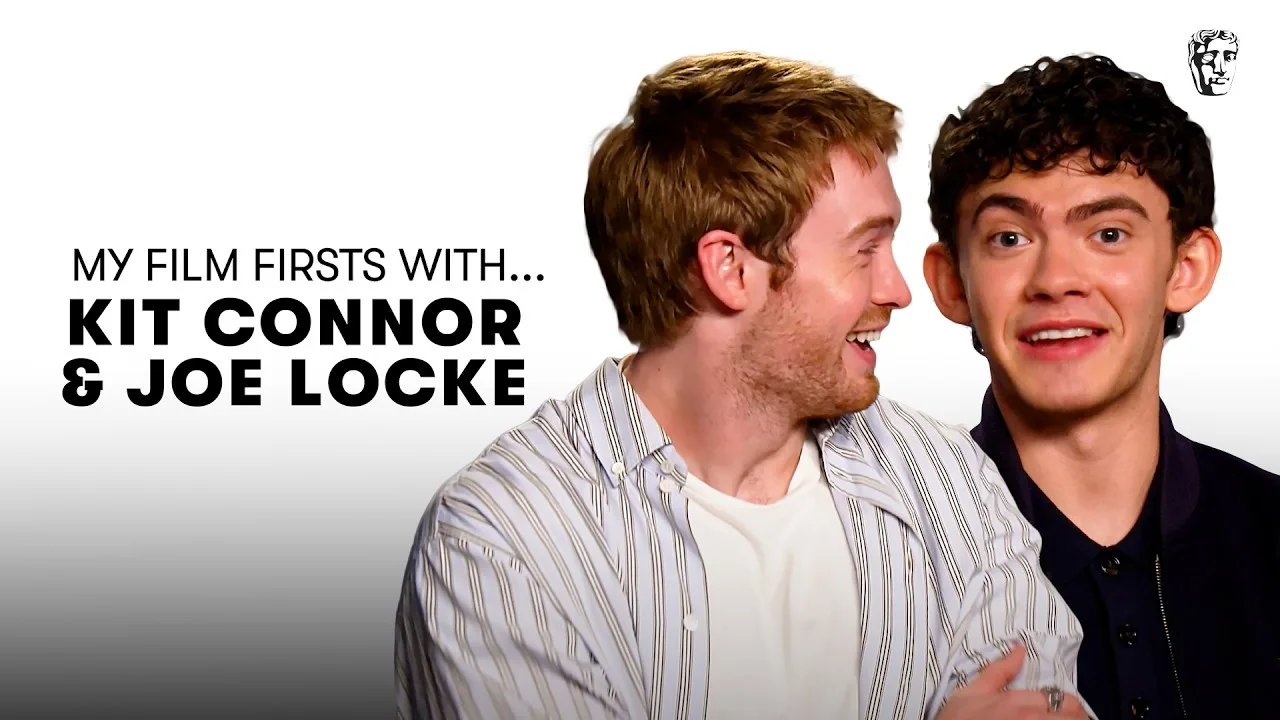
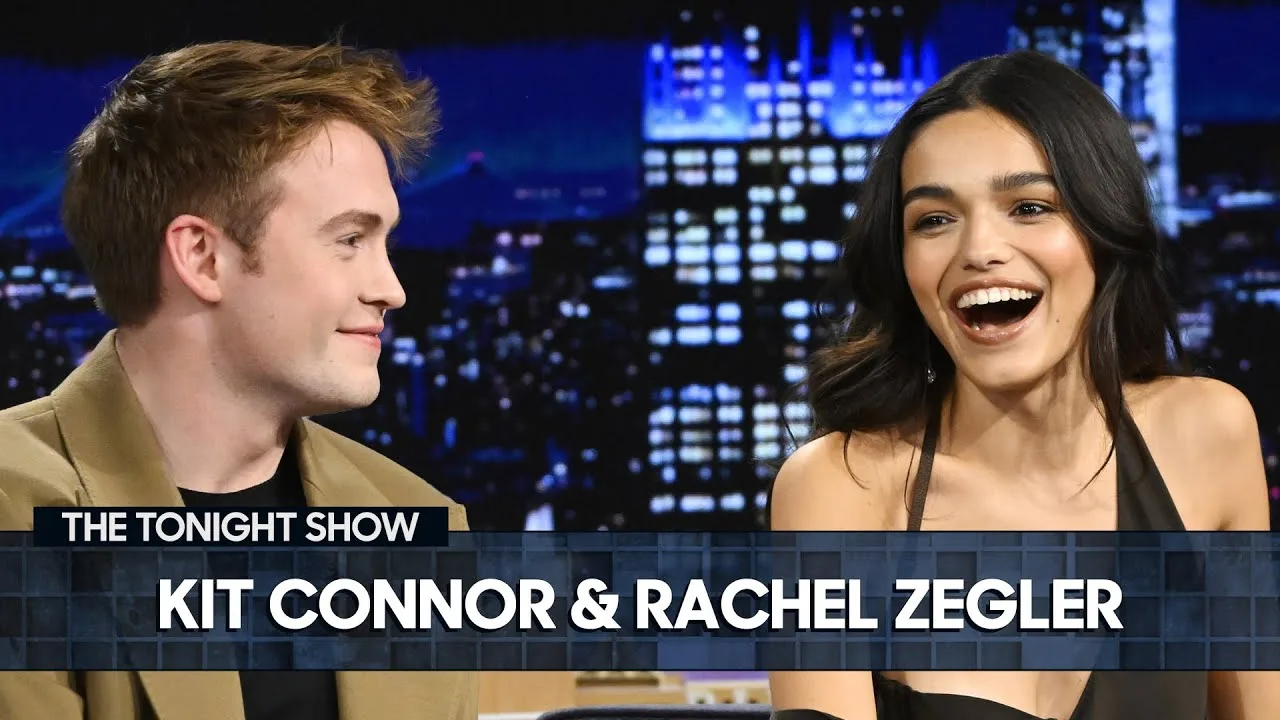
Deadline first reported that Kit Connor is being considered for Scott Summers, better known as Cyclops, in Marvel Studios' new X-Men film. The Hollywood Reporter subsequently described Connor as circling the role and identified Thunderbolts filmmaker Jake Schreier as the director. Marvel has not announced Connor's casting.
That distinction should remain attached to every discussion of the news. An actor can be the preferred choice without a contract closing, and a studio can test several versions of a cast before making any of them public. The current fact is that serious trade reporting connects Connor to Cyclops. The rest is an argument about why the pairing is plausible.
Connor arrives with a useful mix of work behind him. Heartstopper made him widely recognizable through a performance built on hesitation, warmth and careful listening. Alex Garland and Ray Mendoza's Warfare placed him inside a much harsher ensemble. His Broadway run in Romeo + Juliet required a different scale of presence again. None of those roles predicts a superhero performance, but together they show an actor moving between intimacy, pressure and physical command.

Photo: Vogue / YouTube · source
Cyclops is harder to cast than the visor suggests
Scott Summers is often described as the X-Men's field leader, which is accurate and insufficient. His optic blasts make restraint a permanent physical condition. He cannot casually meet another person's gaze. The visor is protection, weapon and barrier at once, so the actor has to communicate authority without relying on the most direct part of the face.
Previous films often treated that discipline as stiffness. James Marsden gave Scott a clean, controlled presence in the original trilogy, but the scripts usually placed him beside Wolverine rather than at the center of the team's moral and tactical decisions. Tye Sheridan played a younger Scott in the later prequels, where the size of the ensemble left little room for leadership to develop.
A new film has the chance to stop apologizing for Cyclops. His seriousness is not the absence of personality. It comes from the knowledge that one uncontrolled glance can injure someone and one poor decision can endanger a team. The role needs an actor who can make control look active rather than empty.