CinePixo
ReviewsOff CameraMoviesPeopleTopicsCriticsStats
Sign inJoin
ReviewsOff CameraMoviesPeopleTopicsCriticsStats
CinePixo
ReviewsOff CameraMoviesWatchCriticsWritersStatsAboutEditorial StandardsContactPrivacyTermsRSS

CinePixo — a home for film-critic fandom.Built, filled and argued over by this community — the library, the artwork we license and host, the taxonomy and every signed review grow here, together.

  1. Home
  2. /Off Camera
  3. /Away From Set
  4. /Paul Schrader Turns ‘Three Guns at Dawn’ to AI After Casting Rejections
Away From SetEditorial feature

Paul Schrader Turns ‘Three Guns at Dawn’ to AI After Casting Rejections

Black actors declined Paul Schrader’s crime noir because its three leads were written as a corrupt cop, a drug dealer and a sex criminal. Schrader first blamed the lack of “good Black people” in the story, then said the real problem was finding bankable stars.
by Marcus ReidSeptember 13, 20265 min read1 views
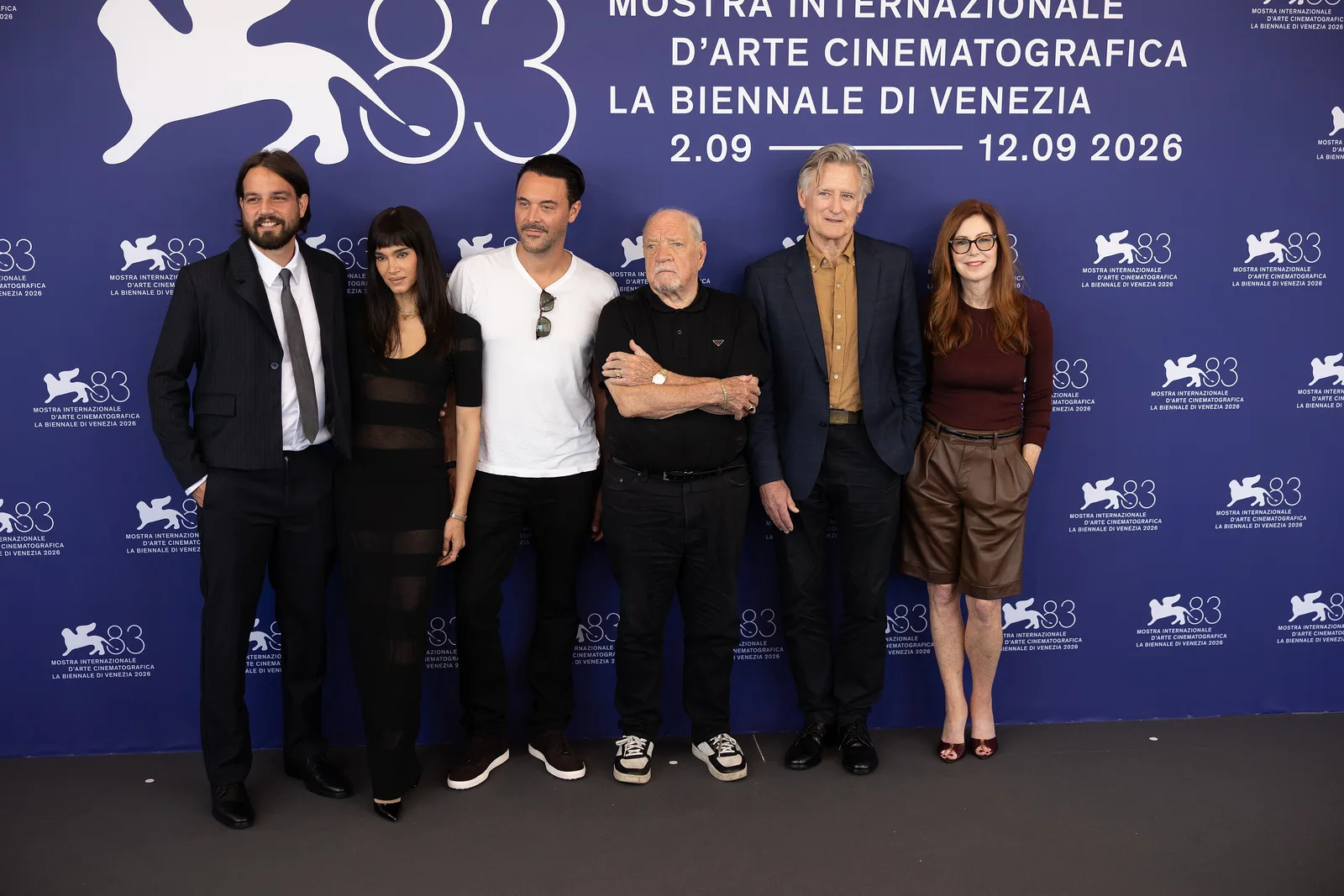
Bill Pullman, Daniel Zovatto, Dana Delany, David M. Wulf, Braxton Pope, Paul Schrader, Sofia Boutella, Jack Huston at the 83rd Venice FILM festival-1
Bill Pullman, Daniel Zovatto, Dana Delany, David M. Wulf, Braxton Pope, Paul Schrader, Sofia Boutella, Jack Huston at the 83rd Venice FILM festival-1 · LucaFazPhoto (CC BY-SA 4.0)

In this piece

  1. 01Paul Schrader’s three brothers were all written as criminals
  2. 02Antoine Fuqua left as the film changed course
  3. 03Schrader later changed “no Black actors” to “no bankable actors”
  4. 04AI gives the film a way forward—and removes the argument from the set

Paul Schrader’s upcoming crime noir Three Guns at Dawn is being reconfigured with AI-generated performers after Black actors declined its central roles, according to Yahoo Entertainment and The Playlist. The change matters because the film’s casting problem did not begin with scheduling or technology. It began with three Black brothers written as criminals, and with actors deciding that the story offered no one they could play without carrying its stereotypes into the room.

Schrader, the Oscar-nominated writer of Taxi Driver and Raging Bull and director of First Reformed, said the project had stalled after actors passed. He then chose to continue with artificial performers rather than revise the characters. For film readers, that makes this a story about who gets asked to embody an image, who gets to refuse, and what happens when a filmmaker treats the refusal as a production problem.

Paul Schrader’s three brothers were all written as criminals

The original script was set in South Central Los Angeles and followed three brothers trying to kill one another. One was a corrupt police officer. Another sold drugs. The third was a sex criminal. Schrader told The Playlist that “no Black actors wanted to play in a movie where there are no good Black people.”

That sentence landed hard because the parts were not isolated villains in a larger community. The three brothers were the center of the film, and every Black character described in the reporting was bad. Black America Web framed the decision as another example of actors being asked to carry familiar, damaging images of Black life.

An actor who takes a role like that is not only memorizing lines. He is lending his face, voice and history to the picture people may carry away. The reporting does not identify the actors who declined, and it does not say that every Black performer rejected the project. It says the actors Schrader approached did not want these parts.
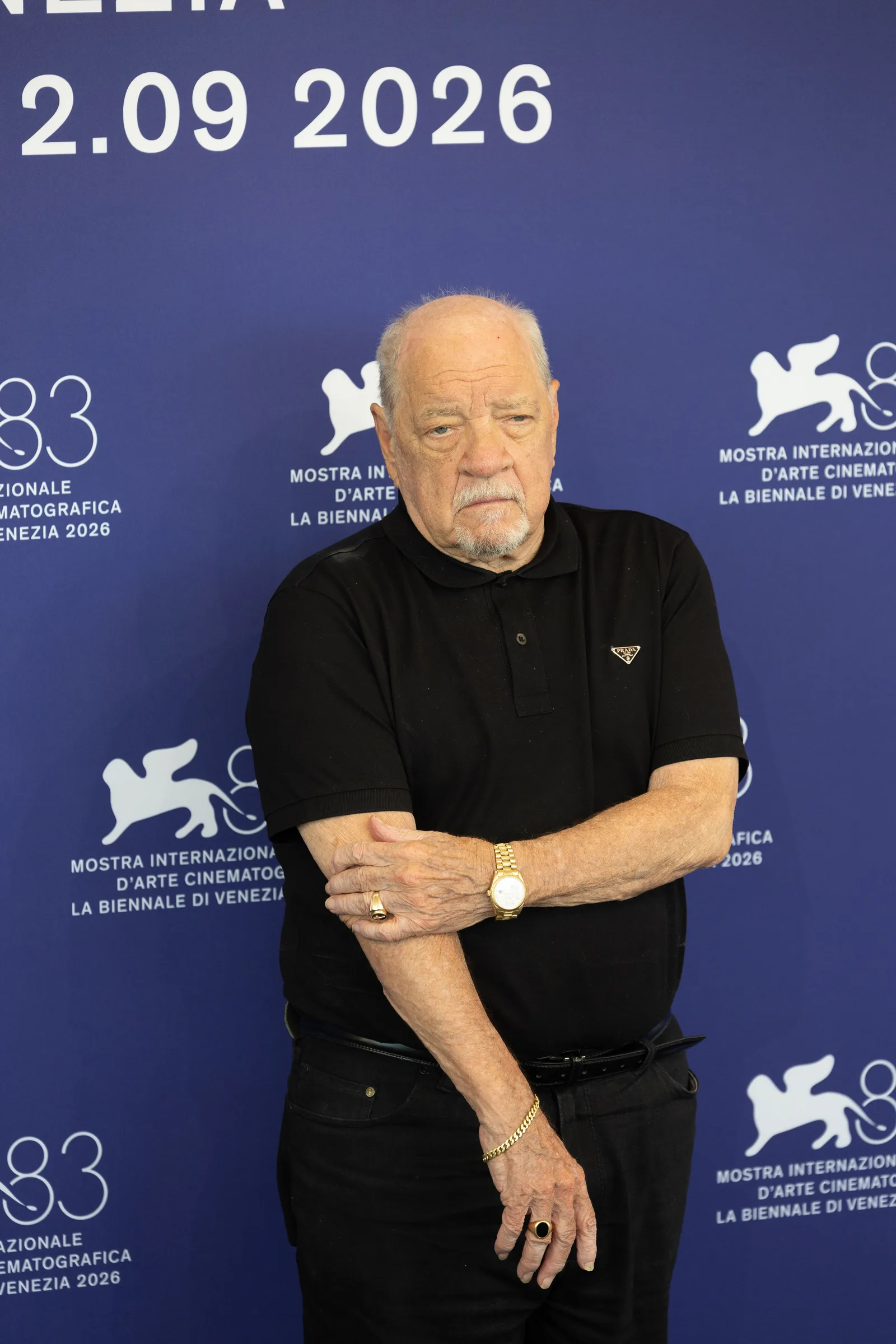
Paul Schrader director , at 83rd Venice International Film Festival in Venice, Italy for the film THE BASICS OF PHILOSOPHY .

Photo: LucaFazPhoto · CC BY-SA 4.0 · source
Antoine Fuqua left as the film changed course

How this piece was made

Editorial standards →

Editorial feature

A CinePixo feature whose more specific reporting or utility method has not been claimed.

In this piece

  • Paul Schrader
    Paul Schraderfilm critic

Sources

  1. 01msn.com · https://www.msn.com/en-us/news/us/taxi-driver-screenwriter-says-no-black-actors-wanted-to-star-in-his-latest-movie-so-hes-using-ai-instead/ar-AA2c2RIA
  2. 02

In this piece

  1. 01Paul Schrader’s three brothers were all written as criminals
  2. 02Antoine Fuqua left as the film changed course
  3. 03Schrader later changed “no Black actors” to “no bankable actors”
  4. 04AI gives the film a way forward—and removes the argument from the set

Antoine Fuqua had been attached to produce the original version, according to multiple reports cited by Yahoo. Schrader said in an interview with Deadline that Fuqua was no longer involved and that the project was being rebuilt around AI.

The change also altered the practical question facing a cast. A human performer has to decide whether a role is worth the trade: the paycheck, the screen time, the director, and the public meaning of the part. An AI performer does not negotiate that choice. It does not have an agent, a reputation to protect or a community watching how the character is used.

Schrader’s first explanation made the substitution sound blunt: “Then AI came along, and I didn’t need Black actors.” The line is the reason this story has traveled beyond a casting note. It describes a tool entering the exact space created by a group of people saying no.

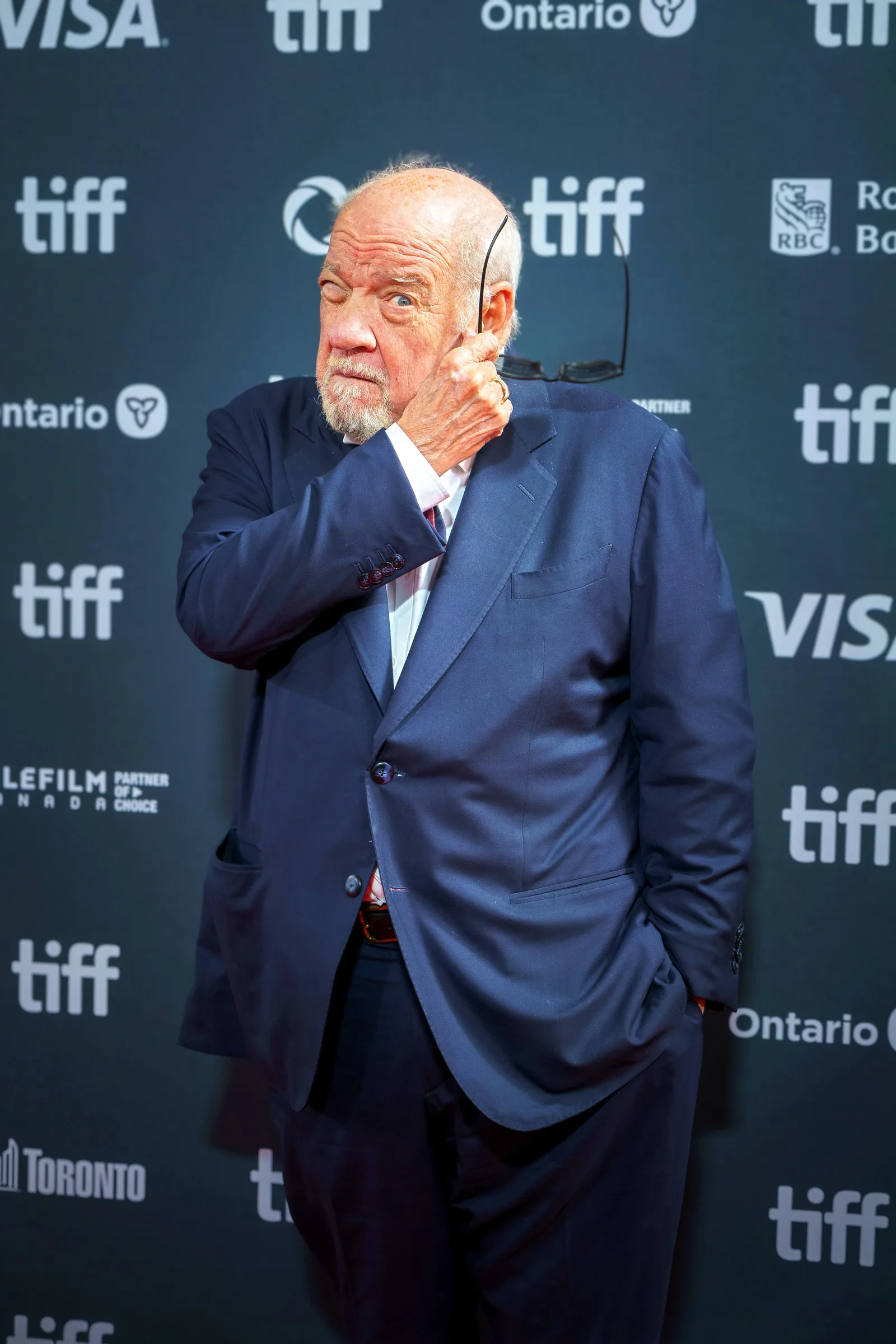
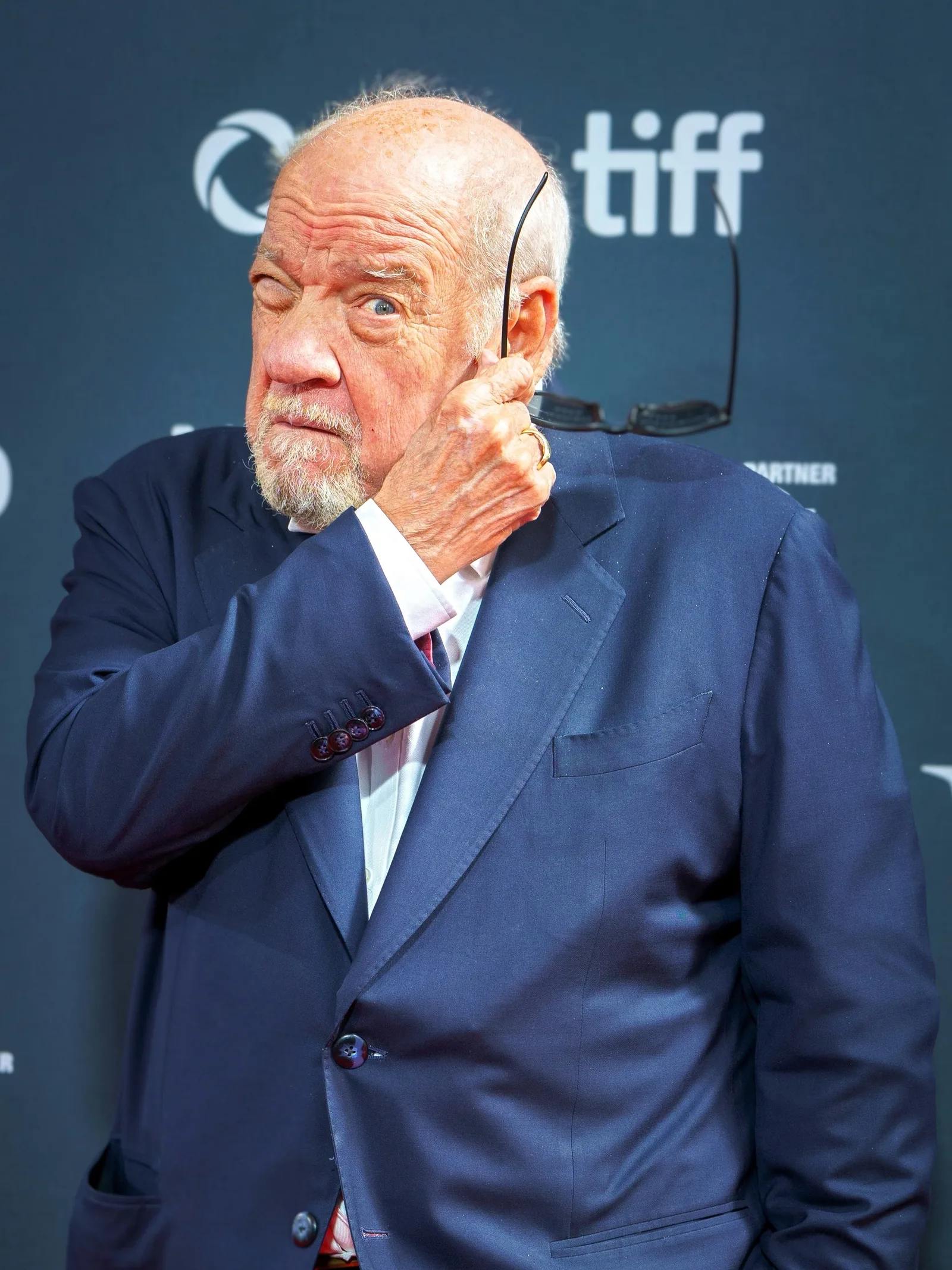
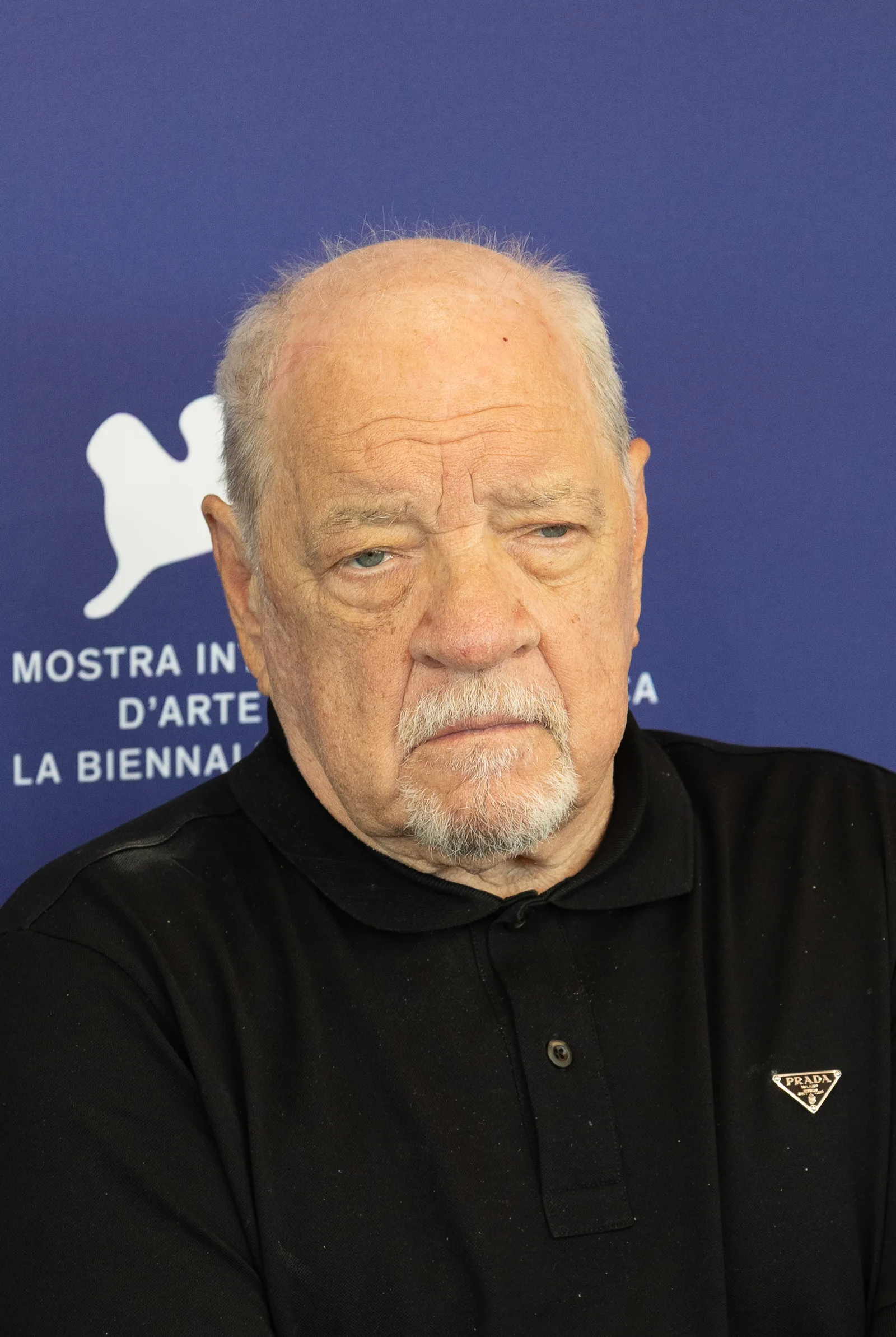
Paul Schrader director , at 83rd Venice International Film Festival in Venice, Italy for the film THE BASICS OF PHILOSOPHY . Paul Schrader at the 2024 Toronto International Film Festival (TIFF) in Toronto, Canada

Photos: LucaFazPhoto · CC BY-SA 4.0 · source; Jay Dixit · CC BY-SA 4.0 · source

Schrader later changed “no Black actors” to “no bankable actors”

After his comments spread, Schrader offered a different account to MovieMaker. He said he and Fuqua could not find three “bankable” Black actors, while acknowledging that they could have found three Black actors. He added that he switched the roles to white actors and still could not find three bankable names. AI actors, he said, did not need to be bankable.

That clarification narrows the claim, but it does not erase the earlier one. The first version put the emphasis on the characters: no good Black people. The second put it on market value: no recognizable stars who could support financing or sales. The reporting leaves open how many actors were contacted, what offers were made, and whether any performer asked for changes to the script.

Those missing details matter. “Bankable” is a business word, but it reaches a person’s rent, career momentum and bargaining power. A producer may hear a casting list as a budget. An actor hears a decision about which roles are considered safe for a career.

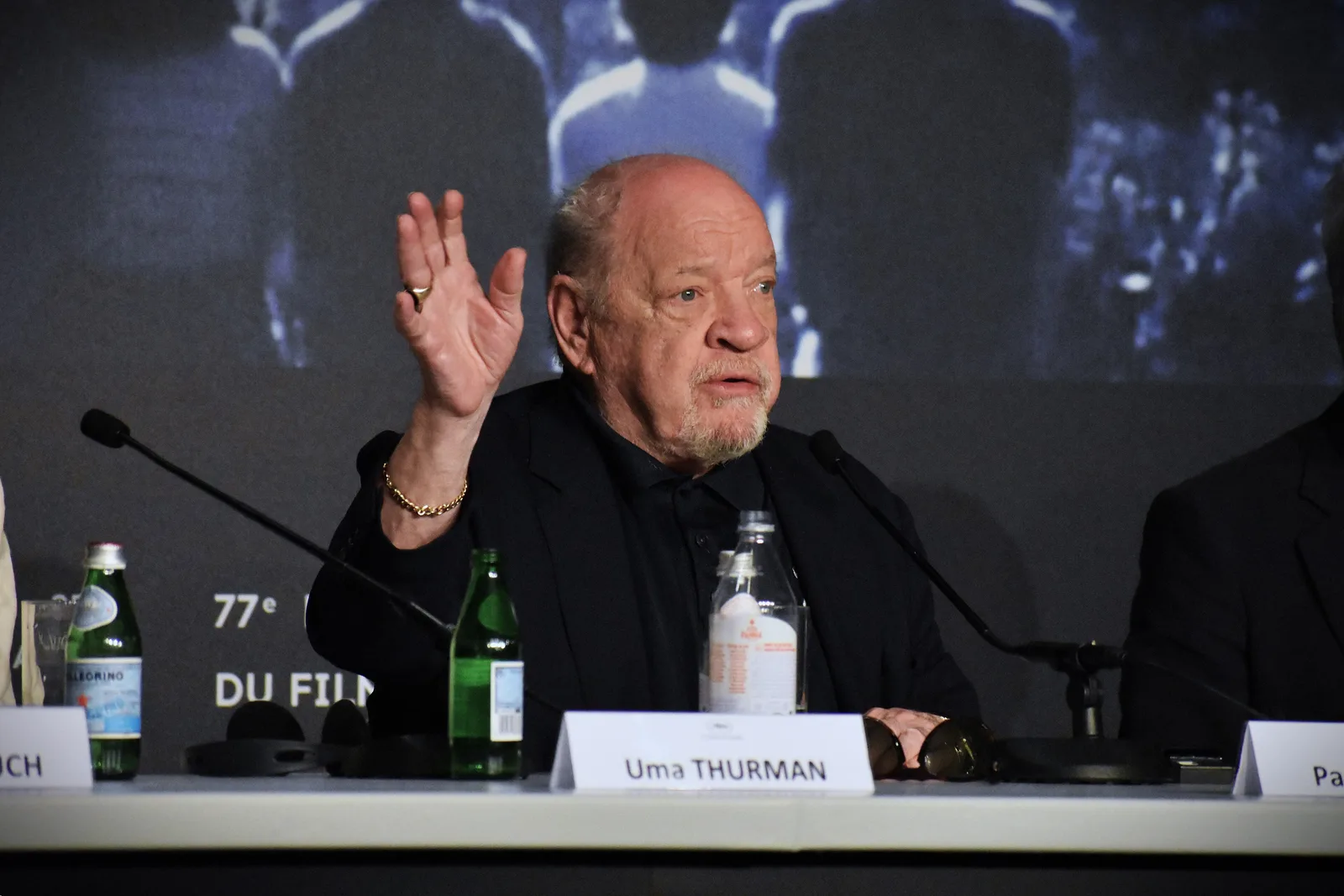
Paul Schrader at the 2024 Toronto International Film Festival (TIFF) in Toronto, Canada Oh, Canada Director, Paul Schrader, at 2024 Cannes Film Festival press conference

Photos: Jay Dixit · CC BY-SA 4.0 · source; Ariela Ortiz-Barrantes · CC BY-SA 4.0 · source

AI gives the film a way forward—and removes the argument from the set

Schrader has been publicly favorable toward AI for some time. Black America Web reported that he praised ChatGPT in 2025 for producing film ideas quickly and later wrote that ignoring AI meant ignoring the future. In his comments about Three Guns at Dawn, he said musicians were being affected first and actors next.

The film has not been released, so its performances and final form are unknown. Hope, if there is any, belongs to the premise of a filmmaker testing a new production method, not to a result anyone has seen. What is known is simpler and more uncomfortable: human actors rejected the roles as written, the script stayed on that path, and synthetic performers became the available cast.

That leaves a face-less set of brothers waiting to be rendered, while the people who might have played them have already made their decision.

yahoo.com · https://www.yahoo.com/entertainment/movies/articles/black-actors-refused-star-filmmaker-004245159.html
  • 03blackamericaweb.com · https://blackamericaweb.com/2026/09/09/director-paul-schrader-ai-film-stereotypical-roles-black-actors-refused/
  • Every factual claim above is drawn from these. The reading of them is ours.

    Paul Schrader Three Guns at Dawn AI castBlack actors refused stereotypical movie rolesThree Guns at Dawn Antoine Fuqua producerAI-generated actors Hollywood casting debatePaul Schrader bankable Black actors comments

    5 min read

    ShareXFacebookThreads
    Marcus Reid

    House critic, writing in the Ebert tradition: a movie is a machine that generates empathy, and the review is for the person choosing one on a Friday night. Grades relative to genre — a great western beats a failed masterpiece.

    Full profile and all work →

    Also written about Paul Schrader

    • Paul Schrader Blames an AI Cast on Black Actors Rejecting His NoirSep 7, 2026
    • Paul Schrader’s AI Noir Drops Antoine Fuqua and Every Name ActorSep 5, 2026

    More Away From Set

    All of it →
    Away From Set

    Ben Affleck’s Nephew Indiana Steals Attention at Venice Premiere

    A 22-year-old Affleck-Phoenix heir joined Casey Affleck and Ben Affleck on the red carpet for Company, bringing a family casting story and a startling resemblance into the same frame.

    Dorothy Kwan·Sep 13, 2026

    Away From Set

    Nicholas Sparks’ Counting Miracles Names Peanut Butter Falcon Director

    Tyler Nilson will write and direct Amazon MGM’s adaptation, with Alan Ritchson starring as an Army Ranger searching for the father he never knew. The film has no release date yet, but its deal puts a filmmaker known for a small, actor-led hit inside a much larger studio production.

    Marcus Reid·Sep 13, 2026

    Away From Set

    Maisie Williams Paid £16.50 for a Movie Role—Then Practical Magic 2 Called

    Before joining Sandra Bullock and Nicole Kidman in Practical Magic 2, Maisie Williams tried hiring an Etsy witch to manifest a film part. The ritual failed; the casting did not.

    Dorothy Kwan·Sep 10, 2026

    Away From Set

    Na Hong-jin Cast Fassbender and Vikander as Unrecognizable Aliens in ‘Hope’

    The Korean director wanted a cosmic view of human violence, so Michael Fassbender, Alicia Vikander and Taylor Russell became motion-capture creatures. Their strange casting points to where Na hopes the story will go next.

    Marcus Reid·Sep 10, 2026