Long passages carrying no dialogue at all, where the film trusts image, sound and duration to do the interpretive work.
Every film here goes silent on purpose, and for longer than the industry considers safe. Kubrick cut his explanatory narration weeks before release and left the bones and the waltz to do the reading. Ozu holds on the corridor after the people have left it, and the grief arrives in the empty shot. Wong Kar-wai plays whole scenes as slow motion under Yumeji's Theme, because what the two of them never say is the entire film.
The stretch works by transferring the labour: with no dialogue to follow, the audience starts interpreting — light, duration, the set of a shoulder — and interpretation is involvement. It is the oldest trick in the medium, which spent its first thirty years wordless and world-conquering.
Start with the train sequence in Spirited Away: four minutes of water and light, and the reason the film's noise means anything at all.
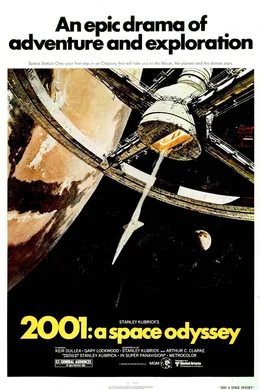 2001: A Space Odyssey1968 · Stanley KubrickKubrick cut the explanatory narration before release and left the opening and closing stretches without a word spoken — a bone, a waltz, an eye, and the audience doing the reading.
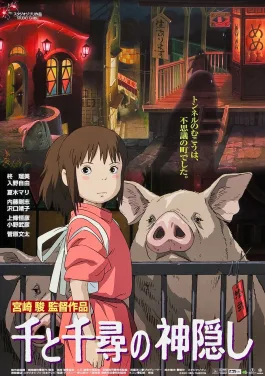 Spirited Away2001 · Hayao Miyazaki★ 4.3 · 1The train sequence is minutes of water, light and a girl sitting still: Miyazaki's ma, and the reason the noise everywhere else in the film lands.
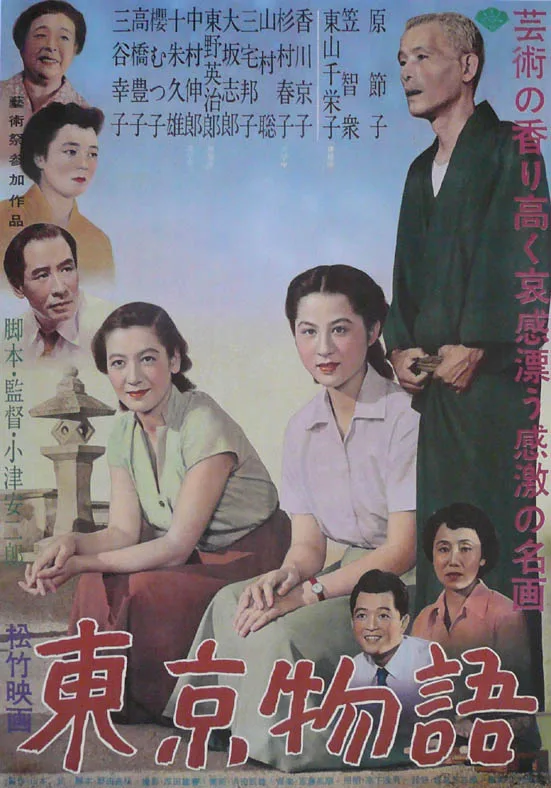 Tokyo Story1953 · Yasujirō OzuOzu holds on a corridor, a wall, laundry on a line after the people have left; the grief lands in those held shots rather than in any line of dialogue.
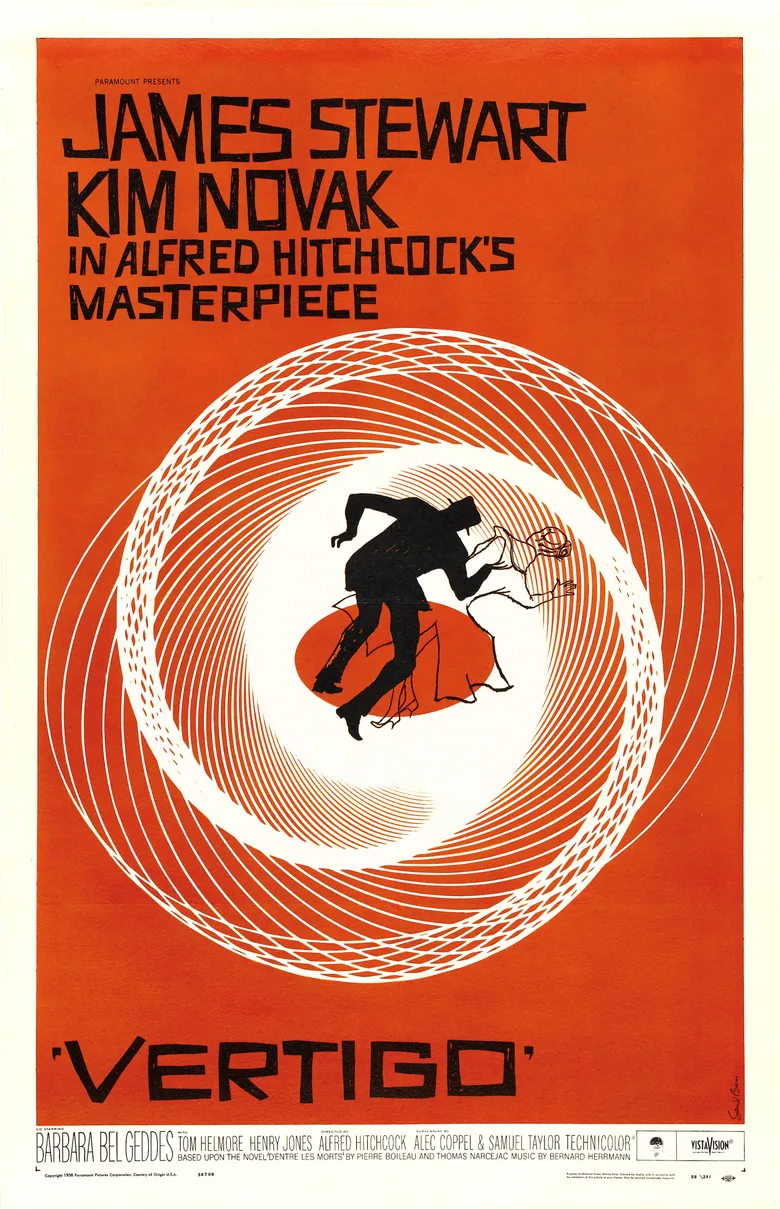 Vertigo1958 · Alfred HitchcockThe first act is close to wordless surveillance — a man following a woman across San Francisco — and Hitchcock trusts the looking to carry all of it.
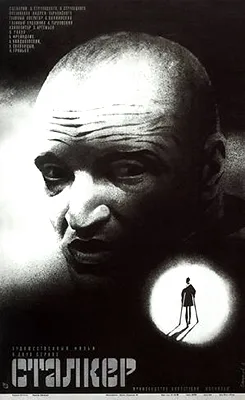 Stalker1979 · Andrei Tarkovsky★ 4.8 · 1Long dialogue-free passages of water, wind and a camera that will not hurry: the journey is measured in duration, and the duration is the meaning.
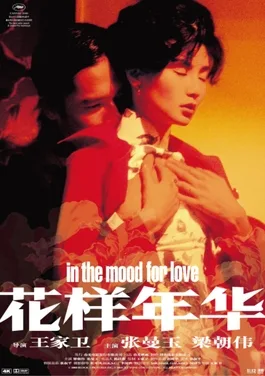 In the Mood for Love2000 · Wong Kar-wai★ 4.5 · 1Whole scenes pass in slow motion with nothing but Yumeji's Theme over them — what the two of them never say is the entire film.