CinePixo
ReviewsOff CameraMoviesPeopleTopicsCriticsStats
Sign inJoin
ReviewsOff CameraMoviesPeopleTopicsCriticsStats
CinePixo
ReviewsOff CameraMoviesWatchCriticsWritersStatsAboutEditorial StandardsContactPrivacyTermsRSS

CinePixo — a home for film-critic fandom.Built, filled and argued over by this community — the library, the artwork we license and host, the taxonomy and every signed review grow here, together.

  1. Home
  2. /Off Camera
  3. /Craft
  4. /Spider-Noir Composers Build a Noir Score from Guitar and Found Sound
CraftEditorial feature

Spider-Noir Composers Build a Noir Score from Guitar and Found Sound

Variety reported on June 2, 2026, that Kris Bowers and Michael Dean Parsons split the music for Amazon Prime’s eight-episode Spider-Noir, which runs to about four and a half hours of score. The show remains unseen; what the report fixes is the method, from noir-era study to electric guitar, jazz piano and altered studio noise.
by Vera LindqvistAugust 29, 20264 min read21 views
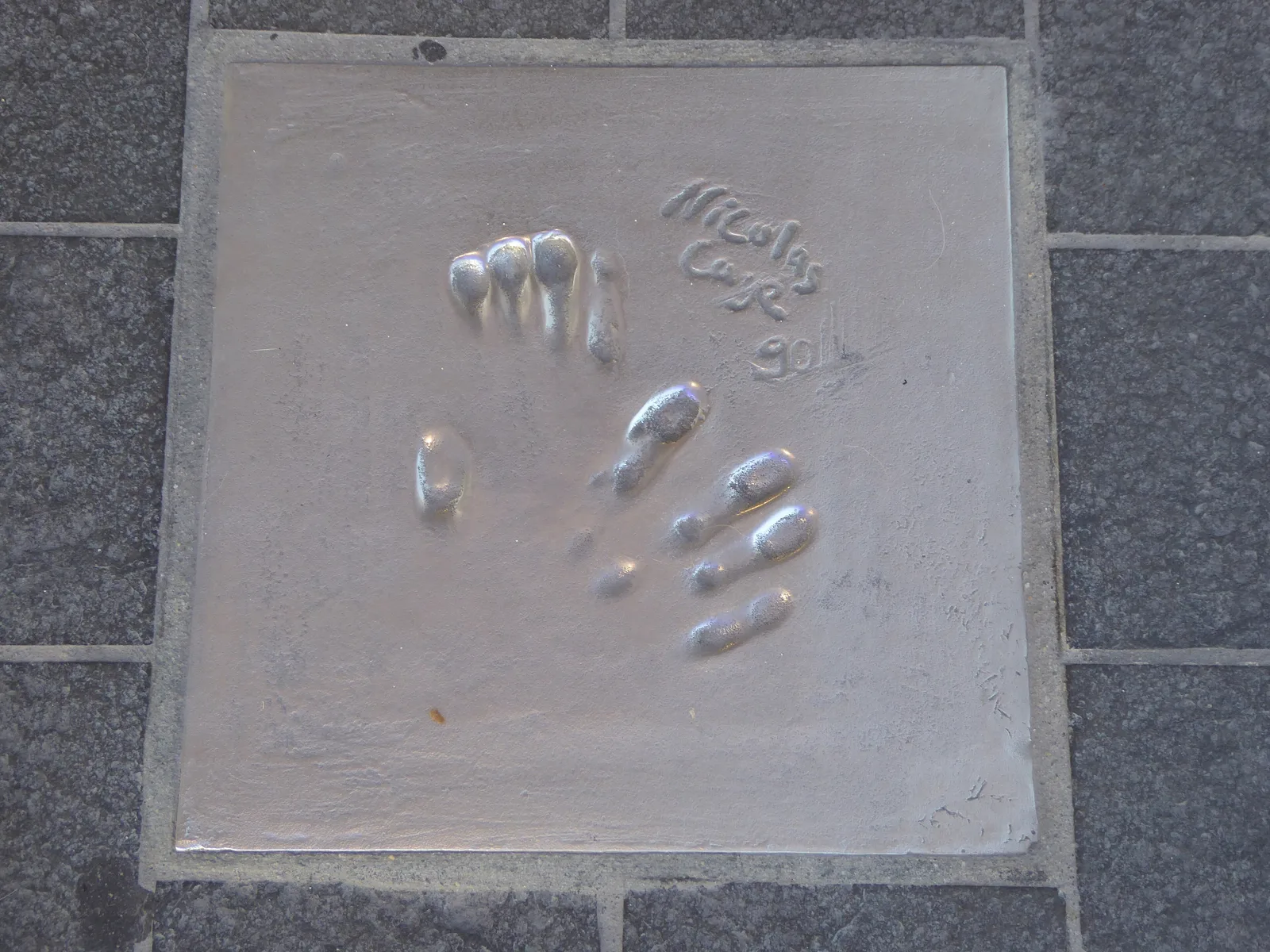
Nicolas cage handprint
Nicolas cage handprint · Abxbay (CC0)

In this piece

  1. 01Spider-Noir in Eight Episodes
  2. 02What the 1930s Left In
  3. 03Themes for the Main Players
  4. 04Found Sound, Then Orchestra
  5. 05A Score Built To Move Between Old And New

Spider-Noir in Eight Episodes

Variety reported on June 2, 2026, that Kris Bowers and Michael Dean Parsons shared the score for Amazon Prime’s Spider-Noir across eight episodes, for about four and a half hours of music in all. The series, with Nicolas Cage as a 1930s private eye once known as The Spider, remains unseen. What is public is the way the music was built. That matters because noir can turn static fast if the sound does not keep the frame open. A long score has to leave air around the image. It has to give a room space for a body to register.
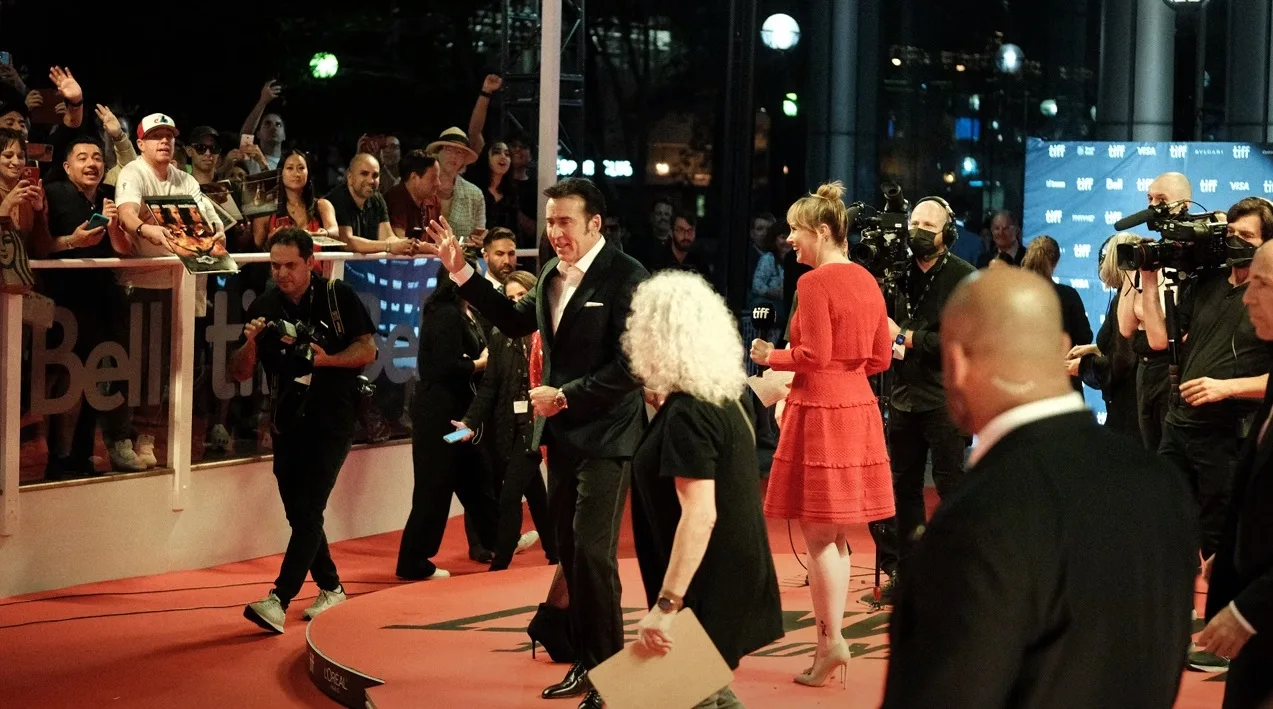
Nicolas Cage at 2022 Toronto International Film Festival Day 2 red carpet

Photo: Kuya JDL · CC BY 3.0 · source

What the 1930s Left In

Parsons said the two composers did an exhaustive study of scores from that era, with films like Double Indemnity in view, then pushed the result toward a fresh approach. The spine of the sound is still noir: jazz piano from Bowers, an orchestra, and the weight of period scoring. But the report makes clear that the team did not stop at recall. Electric guitar enters the mix. So do electronic elements. The point is not simple imitation. The music has to carry a 1930s setting without making it feel sealed off, as if the image were trapped behind museum glass.
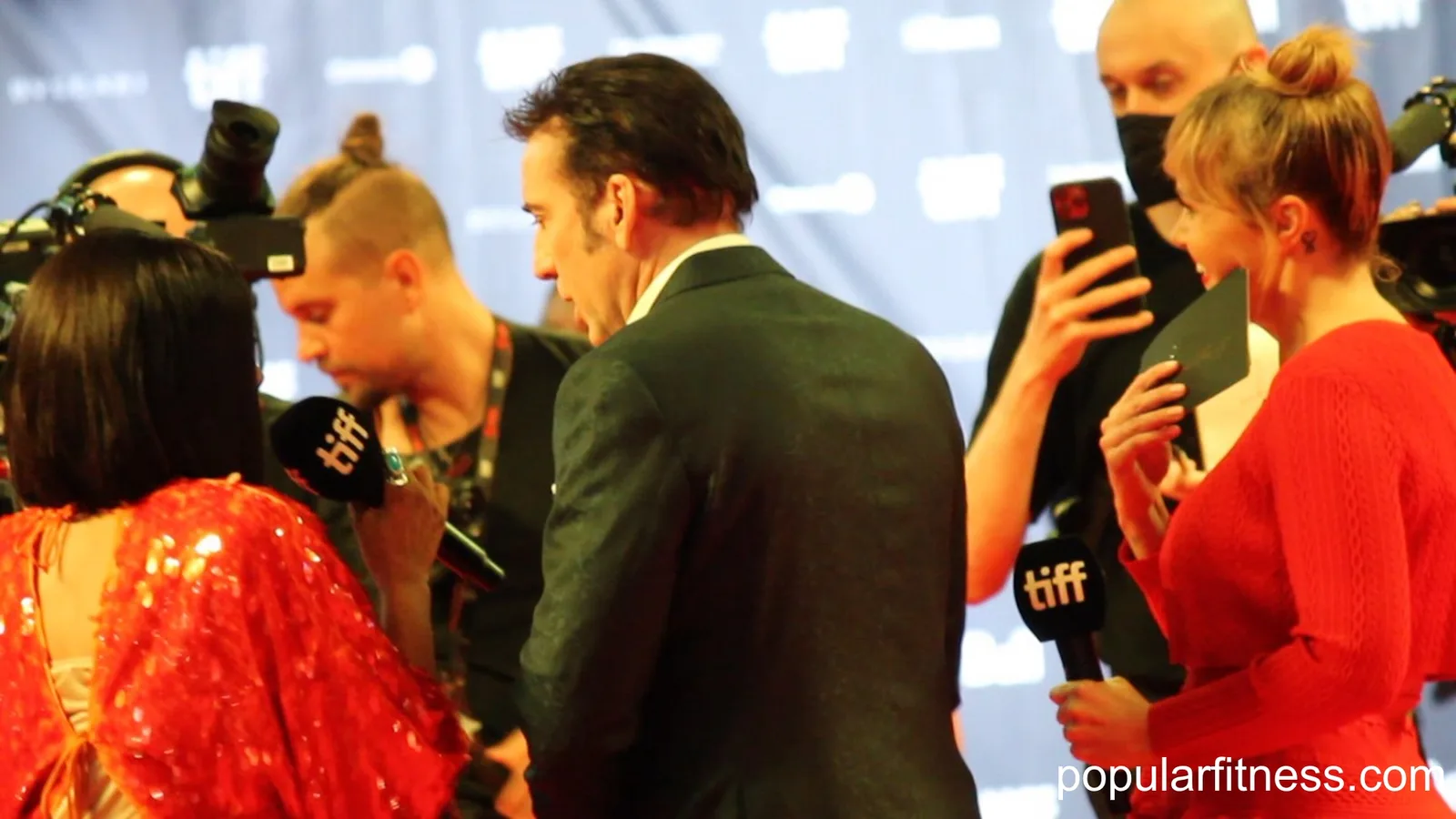
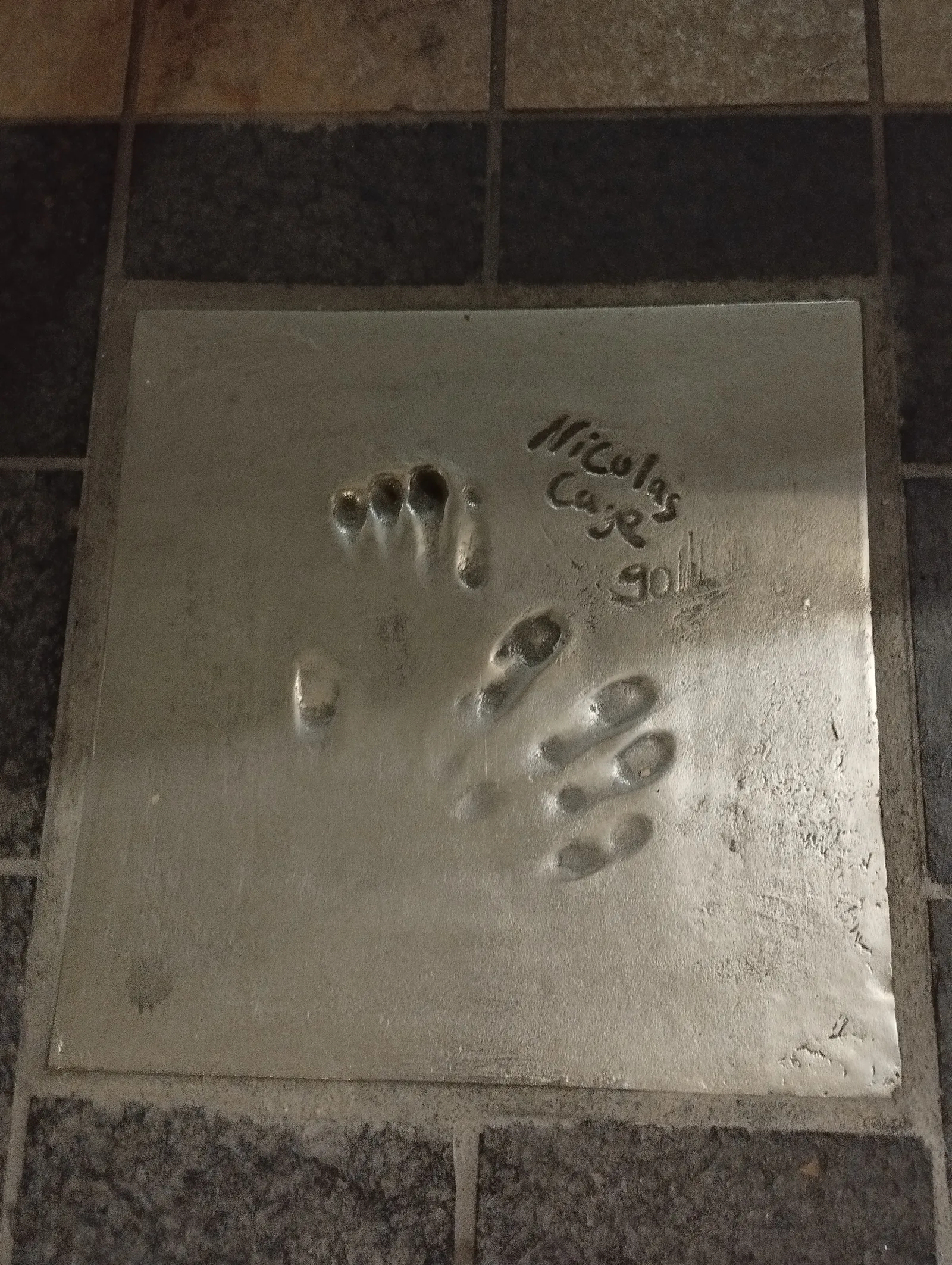
from <a href=" https://www.popularfitness.com " rel="noreferrer nofollow">www.popularfitness.com</a> Nicolas Cage at the Toronto International Film Festival - TIFF 2022 - for the movie Butcher's Crossing Empreintes de Nicolas Cage devant le Palais des festivals à Cannes.

Photos: Peter Kudlacz · CC BY 2.0 · source; ManoSolo13241324 · CC BY-SA 4.0 ·
How this piece was made

Editorial standards →

Editorial feature

A CinePixo feature whose more specific reporting or utility method has not been claimed.

In this piece

  • Nicolas Cage
    Nicolas Cagefilm actor

Sources

  1. 01msn.com · https://www.msn.com/en-us/tv/emmys/composers-behind-nicolas-cage-s-spider-noir-perform-14-minute-version-of-emmy-nominated-score-exclusive/ar-AA2aexaA
  2. 02

In this piece

  1. 01Spider-Noir in Eight Episodes
  2. 02What the 1930s Left In
  3. 03Themes for the Main Players
  4. 04Found Sound, Then Orchestra
  5. 05A Score Built To Move Between Old And New
source

Themes for the Main Players

Bowers and Parsons gave the main characters their own themes: Ben Reilly, Robbie Robertson, Silvermane, Cat Hardy, Sandman and more. That does practical work on screen. A theme can tell a scene who carries the pressure before a line is spoken. For Robertson, Parsons said the score used camera and newspaper-business sounds, altered in the studio until they became percussion. That choice keeps the world physical. The music does not float above the image as a wash of mood. It stays tied to objects the eye can already read.

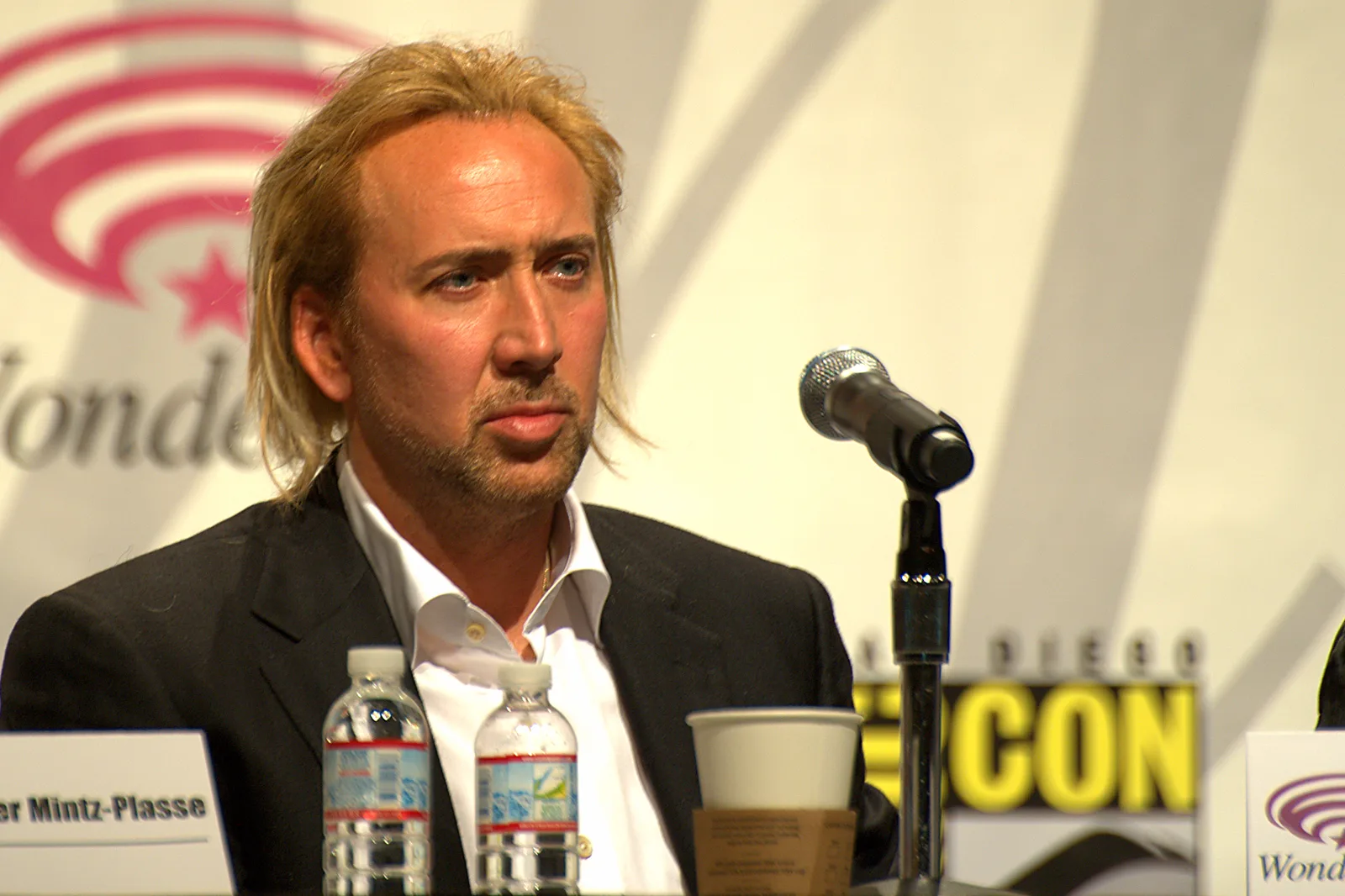
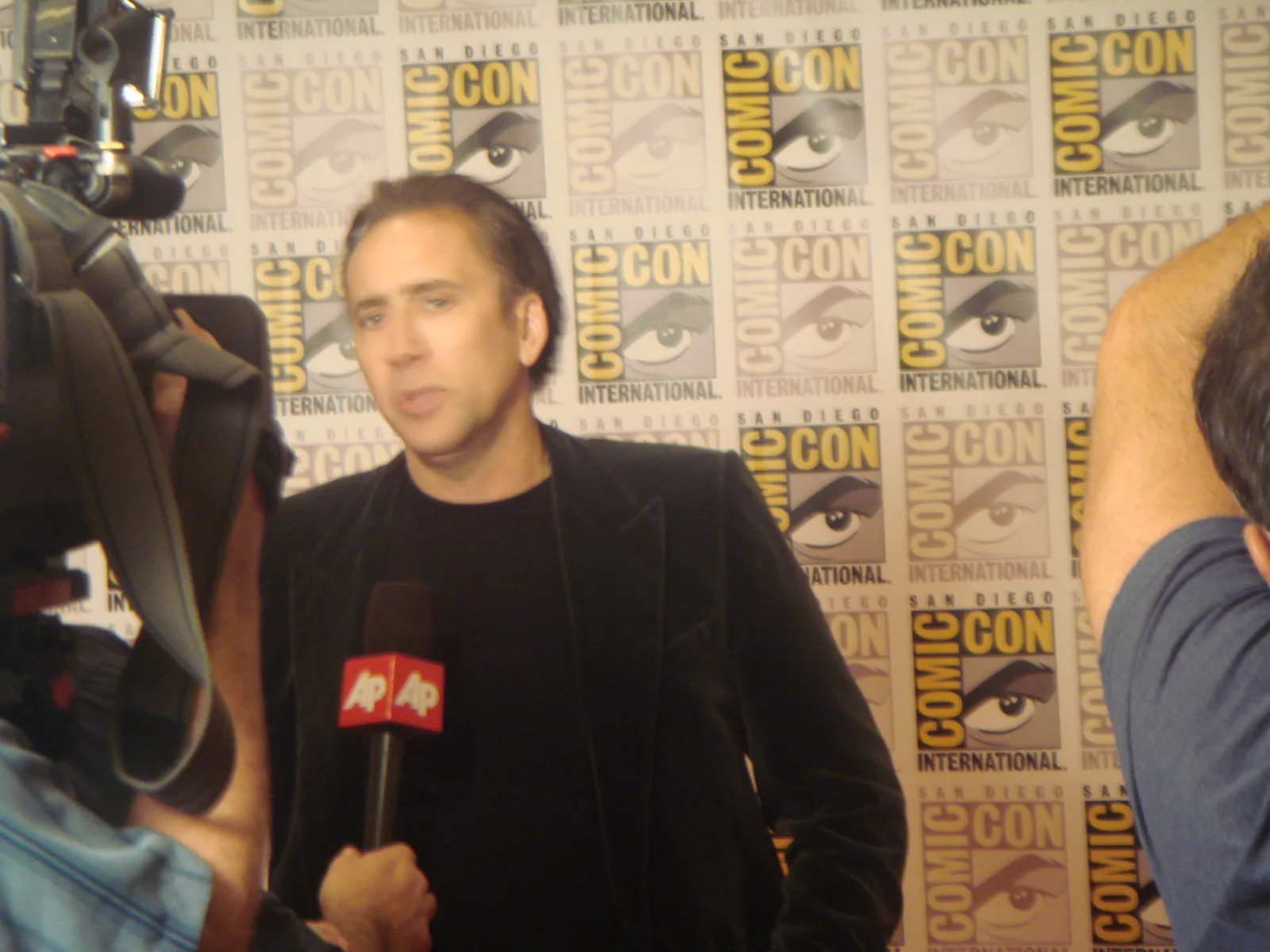
Nicolas Cage in 2011 Nicolas Cage at a panel for Kick-Ass a WonderCon 2010

Photos: Romain Brami · CC BY-SA 2.0 · source; Guillaume Paumier · CC BY 3.0 · source

Found Sound, Then Orchestra

The score also leans on sounds that are not meant to stay recognizable. Parsons described the percussion as found sound, then as unusual noises altered and manipulated in the studio. The oddness is the point. It keeps the music from settling politely under the picture. Bowers, meanwhile, played all the jazz piano himself, which gives that part of the score a direct hand. If the noir side of Spider-Noir brings memory, the piano gives it a human touch.

The scale is larger elsewhere. Bowers and Parsons had a 50-piece orchestra, but the report makes clear that the writing did not always ask for the full ensemble. That kind of shift matters in a show that spans four and a half hours. A cue can swell, then pull back, and the image changes with it. A crowded scoring stage can make a scene feel heavy. A smaller one can leave the actors and the set to breathe.

A Score Built To Move Between Old And New

Parsons said the team studied scores from the noir era, then modernized the language for a completely fresh approach. That balance runs through the whole report. The music carries the 1930s in its shadows, yet it also uses electric guitar, electronics, found sound and a 50-piece orchestra. It is a practical answer to a practical problem: how to make a detective story feel rooted in its period without letting the period harden into costume.

Variety’s report places Spider-Noir beside other Emmy-contending work on longform television, including Murderbot and Pluribus, both of which also pushed composers toward specific limits and textures. In Spider-Noir, the limit is not a shortage of ideas. It is the need to hold a noir frame across a long run without letting it go dead. For Robertson’s scenes, that meant camera and newspaper-business noise bent into percussion, until the ordinary sounds of a newsroom stopped reading as ordinary at all.

variety.com · https://variety.com/2026/music/news/murderbot-spider-noir-pluribus-composers-emmys-1236761902/

Every factual claim above is drawn from these. The reading of them is ours.

Spider-Noir score by Kris Bowers and Michael Dean ParsonsVariety report on Spider-Noir musicAmazon Prime Spider-Noir noir soundtrackelectric guitar and found sound in Spider-NoirNicolas Cage Spider-Noir composer interviewhow Spider-Noir was scored across eight episodes

4 min read

ShareXFacebookThreads
Vera Lindqvist

House critic, writing in the Bazin tradition: cinema's vocation is reality, the long take respects the world's ambiguity, and the cut is a decision someone made for you. Watches what the camera preserves before asking what the story means.

Full profile and all work →

Also written about Nicolas Cage

  • National Treasure 3 Moves Forward as Jon Turteltaub Says It’s HappeningAug 24, 2026

More Craft

All of it →
Craft

Ajmal Sabu Keeps Bethlehem Kudumba Unit’s Camera Close, Then Cuts Away

In a Cinema Express interview published September 9, the cinematographer-editor explains how tighter lenses, mapped daylight and footage from trains, highways and sets built Bethlehem Kudumba Unit’s visual grammar. The film’s result is unseen here; what follows is a report of Sabu’s stated methods and the responses published by other outlets.

Vera Lindqvist·Sep 10, 2026

Craft

John Williams Conducts ‘Imperial March’ in Surprise Hollywood Bowl Encore

At 94, John Williams returned to a public podium on Sept. 4 and 5, leading the Los Angeles Philharmonic through “The Imperial March” during a tribute concert built around his film music. The appearance changed the shape of the event: an evening honoring a composer became a live demonstration of how a baton can turn recorded memory into a present-tense image.

Vera Lindqvist·Sep 9, 2026

Craft

Sting to Narrate Nino Rota Doc for Venice Premiere

Sting is set to narrate a new documentary on Nino Rota, Walter Fasano’s film on the composer behind The Godfather and Fellini’s great run. The special screening at Venice points to a portrait built less as biography than as a room for music to keep sounding.

Vera Lindqvist·Aug 28, 2026

Craft

Autumn Durald Arkapaw’s Favorite Sinners Shot Explains the Size of Her Oscar Win

The Sinners cinematographer made Academy history, but the more revealing story is how she and Ryan Coogler used large-format film for fear, intimacy and a sunset chase.

CinePixo·Aug 22, 2026