The Costume Schools Training Designers for Film’s Digital Future
From CalArts to Sydney’s NIDA, leading programs pair hand construction with virtual production and gaming. Britain’s NFTS is adding a two-year course with Angels Costumes in January 2027, widening the field for screen designers.

The National Film and Television School will open a two-year postgraduate costume design course in January 2027, with 10 places and support from Angels Costumes and John Gore Studios, Variety reported in July 2026. The partnership gives students access to professional placements, costume hire and specialist resources. It arrives as established programs from California to Sydney add digital rendering, virtual production and gaming to the older disciplines of cutting, draping and tailoring. For film readers, the change is practical: the person who dresses a character is increasingly expected to build the image across physical sets and digital worlds.
CalArts Keeps the Hand in the Digital Mix
At the California Institute of the Arts in Valencia, costume students can work toward film, stage, video games or theme-park attractions. The school has increased teaching in advanced construction, patternmaking, millinery, wig making and fabric manipulation. Digital tools sit beside drawing, painting, cutting and draping rather than replacing them.
That balance reflects the school’s collaborative origins. Walt Disney imagined CalArts as a place where artists from different fields could work together; its lineage reaches back to Chouinard Art Institute, whose alumni included Edith Head and Bob Mackie. Director of design and production Ellen McCartney describes the aim as finding a productive space between digital and analog work. Ties to Disney, Universal and other studios also lead toward themed entertainment and experiential design.
Annual tuition is listed at $62,954 for both the BFA and MFA. Alumni named by The Hollywood Reporter include Head, Mackie, Durinda Wood and Barbara Inglehart.
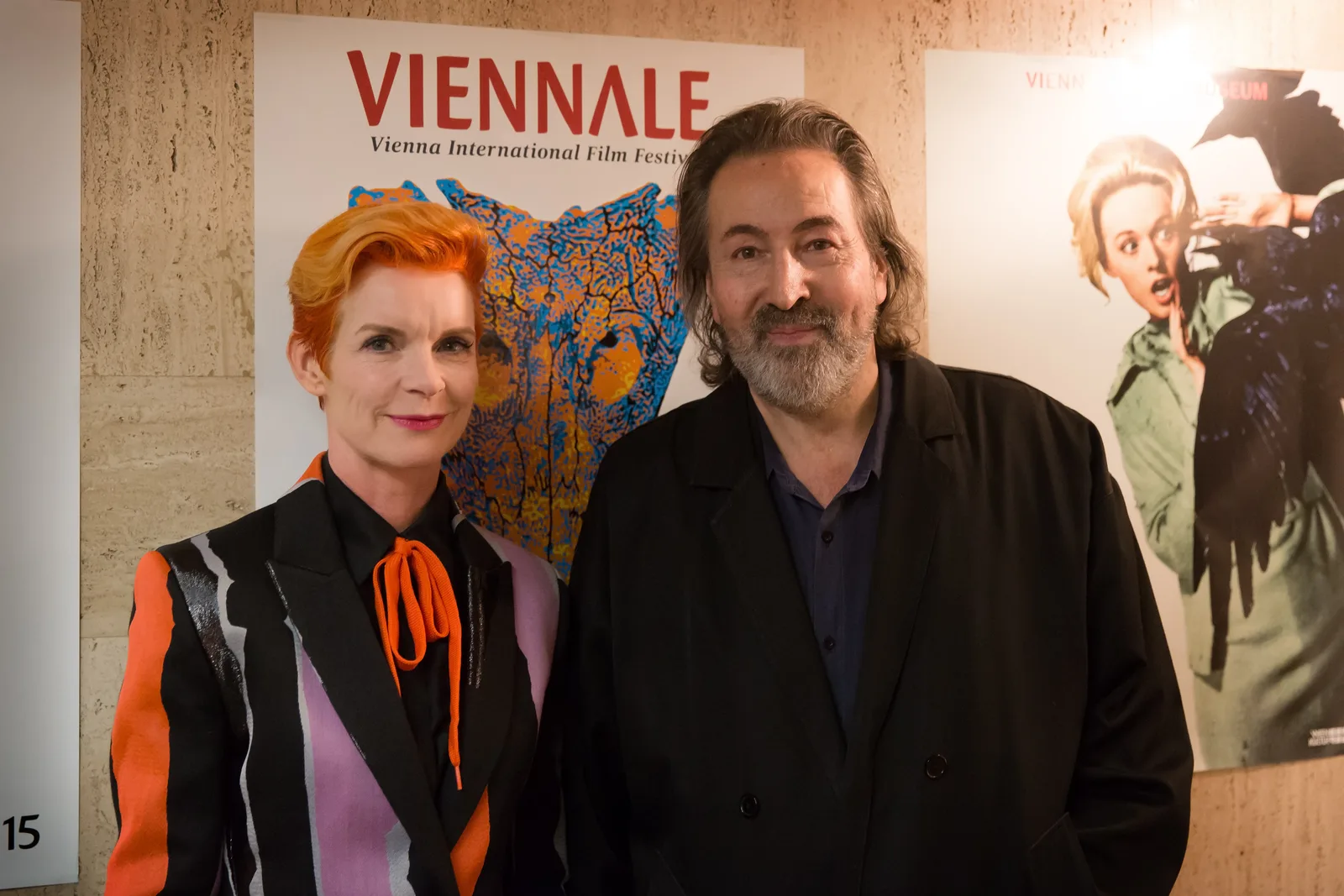
Photo: Manfred Werner - Tsui · CC BY-SA 3.0 · source
Carnegie Mellon Treats Costume as Human Study
Carnegie Mellon’s conservatory program extends beyond theater into film and television. Work at the Entertainment Technology Center and School of Art brings gaming, immersive media and new performance forms into the curriculum, while students continue to study clothing construction.
The program also assigns costume a wider intellectual duty. Susan Tsu, Bessie F. Anathan professor of design, says machines cannot feel the anxieties and drives that shape human beings. Philosophy, psychology, history and culture therefore sit beside practical training, giving students tools to read a character’s pressures through dress.