Power in a Whisper, Blood in the Wallpaper
The movie gets under your skin because it understands that evil rarely announces itself; it clears its throat, adjusts its tie, and asks for loyalty.
The verdict
Coppola’s gangster epic is not embalmed greatness but a living, breathing, morally diseased piece of entertainment, and its danger is that it makes corruption feel like inheritance.
In the Dark With the Family
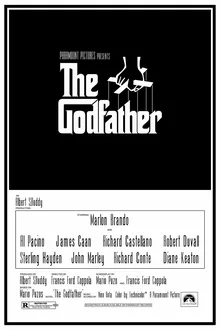
You go into The Godfather expecting the marble monument, the canonical object, the movie people lower their voices around as if the reels are stored in a chapel. What you get, blessedly, is something much stranger and warmer and more dangerous: a family melodrama that has been steeped in meat sauce, cigar smoke, Catholic guilt, and business-school poison. It is grand, yes, but it is not stiff. It breathes. It eats. It sweats under black wool.
Coppola begins with a face in darkness and a man asking for justice, and the movie tells you almost everything right there. This is America turned inside out: the courtroom replaced by the back room, civic language replaced by favors, virtue replaced by obligation. The famous opening wedding sequence could have been a museum tour of ethnic bustle, but it keeps wriggling free of respectability. Outside, people dance and sing and pose for photographs; inside, men speak softly about violence as if discussing upholstery. The cut between celebration and transaction is the whole movie’s pulse.
And Brando. Forget the parodies, the cheeks, the rasp turned into comedy routine by a thousand bad impressions. Watching him here, really watching him, you see a performance built out of withheld force. He barely moves, and everyone else adjusts orbit. He is not playing a monster; he is playing a man who has long ago made monstrosity domestic. He strokes a cat, hears petitions, murmurs about friendship, and the room seems to lean toward him. It is patriarchal power as weather.
The Boy at the Edge
The real charge, though, comes from Pacino, whose Michael starts the film looking like he has wandered in from a different moral climate. He sits apart from the family machinery, clean-cut in uniform, explaining things to Kay with the faint discomfort of someone translating a dialect he claims not to speak. Pacino does almost nothing flashy. That is the thrill. He lets the face close by millimeters. You can feel thought becoming appetite, appetite becoming discipline.
James Caan’s Sonny is all elbows and ignition, a body that enters a room before the brain has cleared customs. Robert Duvall’s Tom Hagen has the dry, dutiful intelligence of a man who knows where the bodies are and where the invoices went. Diane Keaton, in these early stretches, is not given the same rich access to the family’s interior life, but she matters as the outsider’s eye, the clean air the film knows it is about to contaminate. Even when the women are pushed toward the edges of power, Coppola lets the rooms tell on the men: the suits, the doors, the lowered voices, the rituals that pretend to be love while functioning as command structure.
This is why the film’s polish does not feel like prestige embalming. Gordon Willis’s photography is famously dark, but the darkness is not decorative gloom; it is moral architecture. Faces emerge as if from old varnish. Rooms glow with lamps that seem to have been purchased by people who mistrust daylight. Nino Rota’s score, with its mournful theme, could have tipped the whole thing into romance, and sometimes it does flirt with making crime feel operatic. But the movie is cannier than that. It lets you be seduced, then makes you notice the price of your own seduction.